Water does not care about your property lines. When relentless rain slams into the rugged terrain where Utah, Colorado, Arizona, and New Mexico meet, drainage basins turn into raging rivers within minutes. That is exactly what happened during the severe flooding events across the Four Corners region, forcing dramatic rooftop rescues and sudden evacuation orders for residents who barely had time to grab their keys.
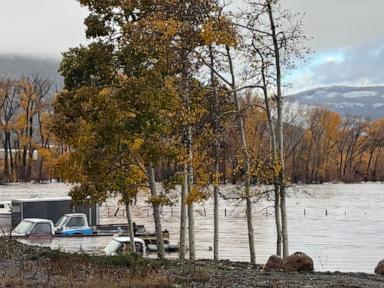
Emergency crews worked around the clock as swollen arroyos and overflowing creeks breached banks. Vehicles turned into floating debris. Homes filled with mud and water before families could move valuables to higher ground. When disaster strikes this fast, textbook disaster plans fall apart. You need to know how these sudden weather shifts happen, what emergency responders face on the ground, and how to protect yourself when the next storm rolls in.
Why the Four Corners Region Is Uniquely Vulnerable
The geography of the Southwest sets the stage for disaster every monsoon season. Dry, baked earth acts like concrete. Instead of soaking into the ground, heavy rainfall sheets right off the soil, rushing down canyons and arroyos into populated valleys.
Urban planning in many rural Western towns compounds the problem. Roads intersect dry riverbeds, and older infrastructure simply cannot handle sudden torrents of runoff. When storms stall over high elevations, millions of gallons of water funnel downward at terrifying speeds.
Meteorologists track these atmospheric river setups days in advance, but predicting the exact micro-location of a cloudburst remains nearly impossible. You might experience a sunny afternoon in one zip code while flash floods sweep away bridges three miles away. That unpredictability makes early warnings critical, yet many residents find themselves caught mid-commute or asleep when sirens finally sound.
The Reality of Rooftop Rescues
Swift-water rescues require specialized training, heavy equipment, and nerves of steel. When floodwaters rise high enough to submerge ground floors and sweep vehicles down residential streets, traditional fire engines and ambulances cannot reach stranded victims.
Rescuers rely on high-water vehicles, zodiac boats, and air support. Helicopters hovering above churning brown water lower harnesses to families stranded on roofs. The danger to first responders is immense. Downed power lines, hidden obstacles beneath the surface, and shifting debris fields threaten every boat and chopper crew deployed to the zone.
People often underestimate how little water it takes to sweep someone away. Just six inches of fast-moving water can knock an adult off their feet, and two feet of rushing water can carry away most cars, trucks, and SUVs. When evacuation orders are issued, waiting it out is a gamble you will likely lose.
Immediate Steps When Flash Floods Threaten Your Area
Preparation means nothing if you freeze when the water rises. If you live in a flood-prone zone or near a dry wash, keep an emergency go-bag packed with medications, important documents, bottled water, and non-perishable food.
Monitor local weather alerts and emergency management channels directly rather than waiting for formal sirens. If local authorities issue an evacuation order, leave immediately. Do not wait for water to pool in your driveway. Once roads wash out, you lose your window to escape safely.
Never drive across flooded roadways. Turn around, don't drown. The roadbed beneath the water may have washed away entirely, leaving a massive crater hidden beneath the muddy surface.
Rebuilding After the Water Recedes
Once the rain stops, the real nightmare begins. Floodwaters carry raw sewage, chemical runoff, and heavy silt that ruins drywall, flooring, and electrical systems. Entering a flooded home before inspectors clear the structure invites structural collapse or electrocution.
Insurance policies written for standard homeowners rarely cover flash flooding. Federal disaster relief programs take weeks or months to deploy aid, leaving families to shoulder immediate clean-up costs on their own. Document every square inch of damage with photos and video before throwing away ruined possessions. Contact your insurance provider immediately to start the claims process, and wear heavy boots, gloves, and N95 masks when tackling muck removal to avoid dangerous mold exposure and bacterial infections.