Light hums through a fluorescent fixture, casting a long, pale shadow across a clean white wall. Outside, the world goes on. Cars turn corners. Children chase a stray ball down an asphalt street. Inside, time behaves differently. It slows down, stretching into individual seconds that feel heavy enough to hold in the palm of a hand.
We have lived with the machinery of finality for generations. It is quiet. It is deliberate. It hides behind iron bars and sterile corridors, far removed from the daily rhythm of ordinary life. Yet, distance does not mean absence.
Consider what happens when a global institution steps back from the edge and declares a boundary.
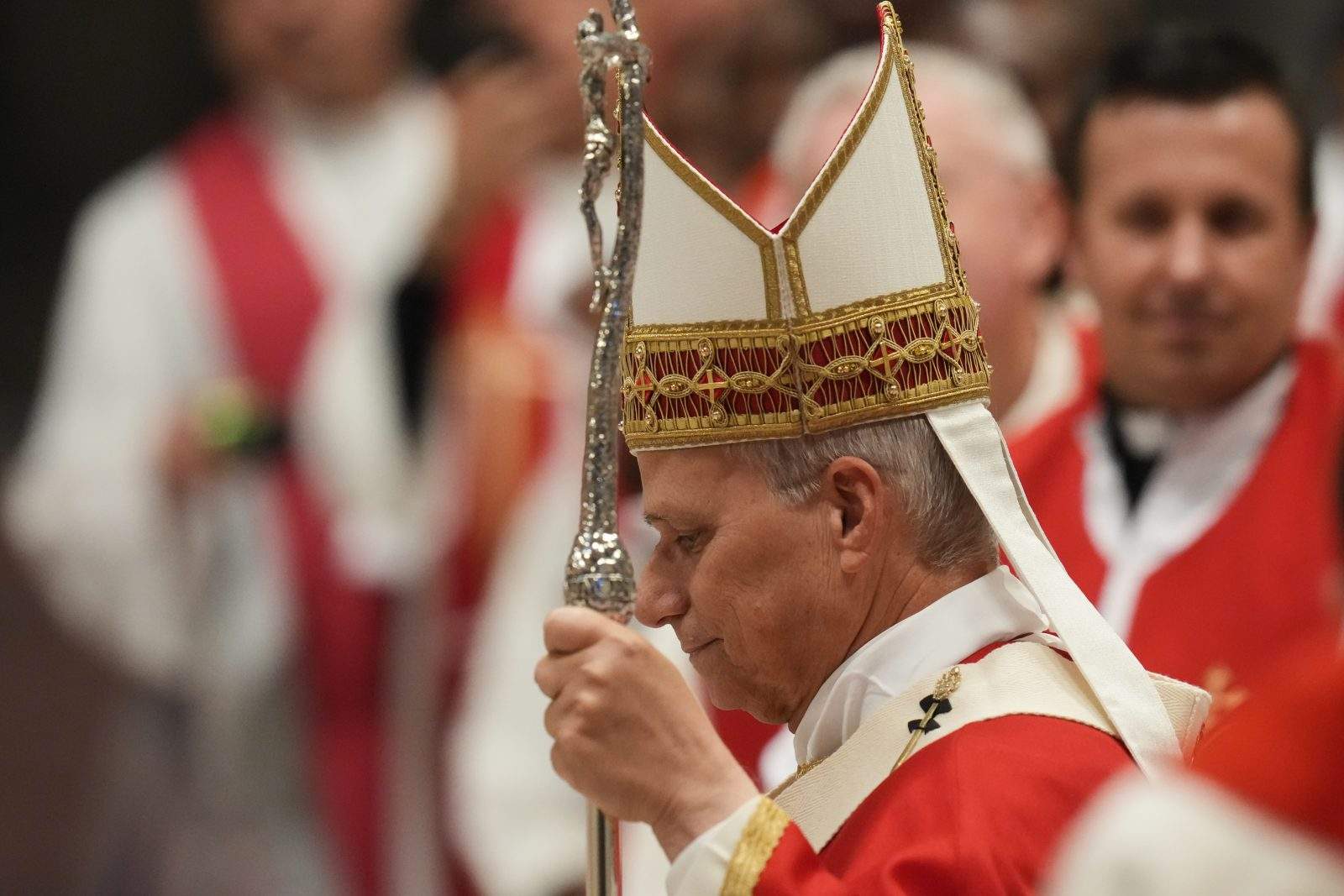
Pope Leo made a declaration that reverberated across continents, revising the Catechism to state explicitly that the death penalty is inadmissible because it is an attack on the inviolability and dignity of the person. It was not merely a theological shift. It was a moral line drawn in the sand, spoken into a culture that often measures justice by the scale of retribution.
At that exact moment, across an ocean, another kind of machinery was waking up.
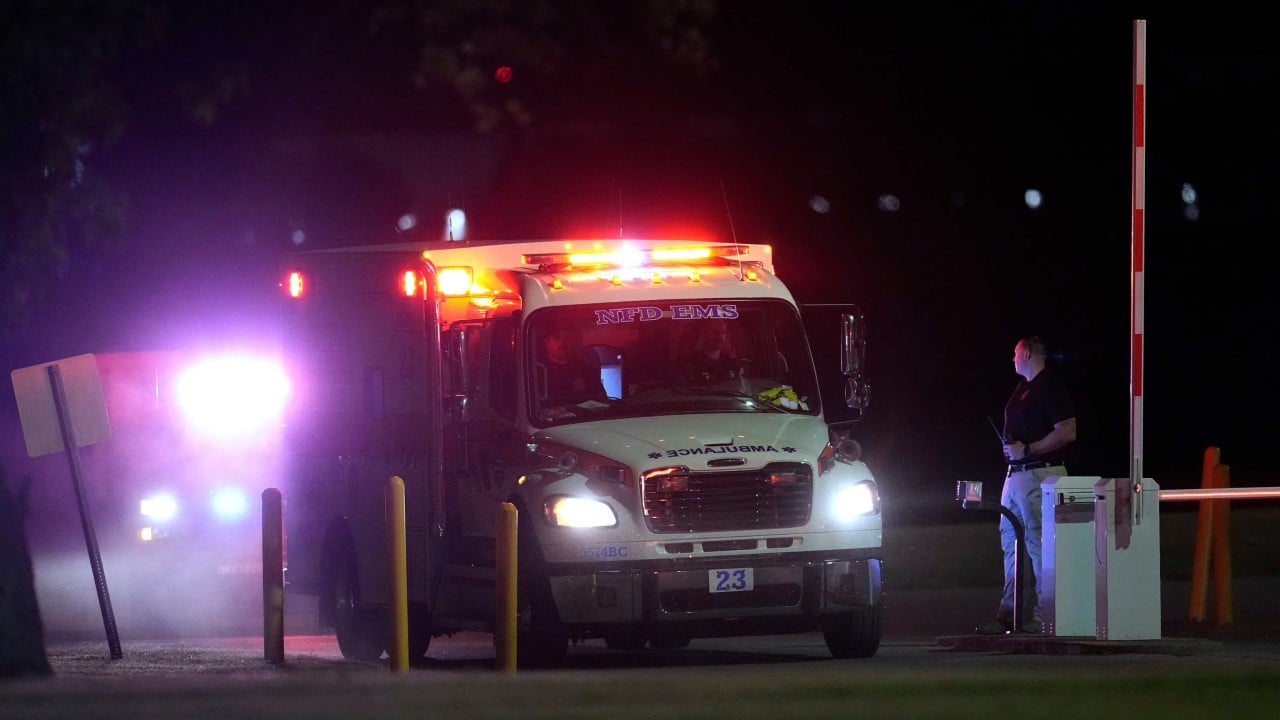
In a corner of the United States, preparations were underway for a state execution. Not just behind closed doors, hidden from public scrutiny, but prepared with a modern twist that pushes the grim reality into the digital age: plans to livestream the event.
The contrast is jarring. On one side, a spiritual leader reaching backward through centuries of tradition to protect the sanctity of breath. On the other side, a society leaning forward into technological ubiquity, ready to broadcast the termination of a human life onto screens held in the palms of teenagers and adults alike.
Why do we look?
Curiosity is a powerful engine. It drives us toward disaster sites, crime scenes, and the darkest corners of human history. We want to know the end of the story. We want to see how a person faces the absolute edge. But watching a life extinguish on a glowing display changes the watcher. It turns a profound moral tragedy into content. It strips away the solemnity of existence and replaces it with a notification bell.
Justice has always wrestled with its own reflection. If the state takes a life, whose hands are actually on the switch?
We like to think the law is an abstract concept, a massive stone pillar standing tall above the chaos of human emotion. But laws are written by people. They are enforced by people. And when a society decides that some lives can be legally undone, every citizen becomes a silent partner in the act.
The debate is not new. Philosophers have argued it for ages. Does state-sanctioned execution deter violence, or does it merely normalize it? Does it offer closure to grieving families, or does it perpetuate a cycle that keeps wounds permanently open?
When the Vatican shifted its stance, it challenged the foundational premise of modern retributive justice. It asked a terrifying question: Can a society ever truly claim moral authority while participating in the very destruction it condemns?
Yet, theory dissolves when reality knocks on the door.
Imagine standing in a small room where the air smells faintly of antiseptic and old floor wax. The clock on the wall ticks with a mechanical indifference. Behind a glass partition, a man breathes his last breaths, watched not just by a handful of appointed witnesses, but potentially by thousands of anonymous digital spectators scattered across the globe, eating snacks on their couches while history unfolds in high definition.
What are we teaching ourselves when death becomes a broadcast?
We risk numbing the one thing that makes us human: empathy. When every tragedy, every conflict, and every ultimate punishment is flattened into pixels on a screen, we risk losing the capacity to feel the weight of what is happening. We become spectators to our own collective cruelty.
The papal declaration was an attempt to push back against that numbness. It was an insistence that human dignity is not something that can be revoked by a jury, a governor, or a judicial system. It is inherent. It belongs to the saint and the sinner alike, clinging stubbornly to the fragile frame of mortal existence.
As the digital age collides with ancient moral questions, we find ourselves at a crossroads. We can choose to lean into the spectacle, treating the end of a human life as just another video to scroll past. Or we can pause, look away from the screen, and confront the difficult truth of what we are willing to allow in our name.
The light in the sterile room flickers once. The digital stream connects. But the real test is not what happens behind the glass. It is what happens inside the minds of those who choose to watch, and those who choose to look away.