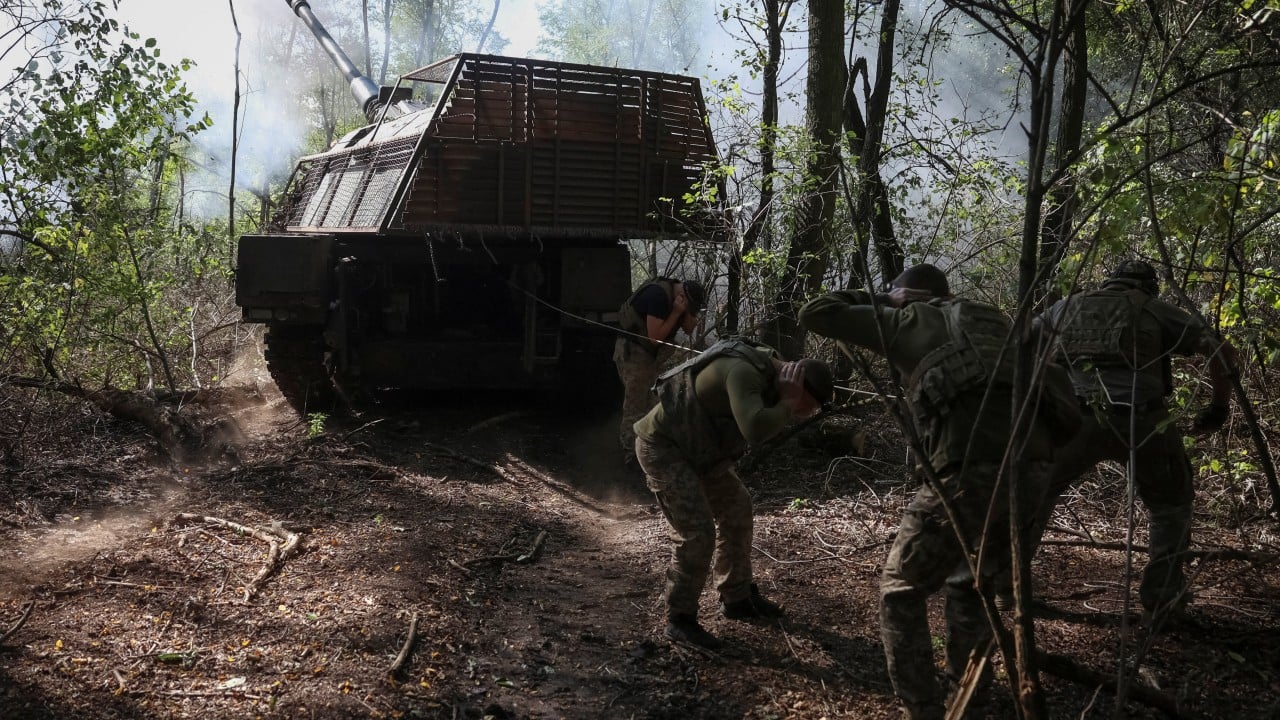
Every time geopolitical tension spikes, the media machine spins up the exact same tired narrative: mass conscription, drafted youth, trench warfare repetition, and the inevitable panic over which sectors government bureaucrats will raid first to fill the ranks.
It is lazy, terrified theater.
The lazy consensus claims that modern conflict demands bodies in uniform, meaning your career, your industry, or your specific skill set is about to be commandeered by the state. Analysts look at historical blueprints from world wars and assume the playbook remains static. They list off vital sectors like logistics, manufacturing, healthcare, and technology, warning that workers in these fields should pack their bags for the front lines.
They are completely wrong.
Modern conflict does not suffer from a shortage of people. It suffers from a massive surplus of untrained citizens who cannot contribute to complex technical infrastructure. No government running an advanced economy is going to pull a software architect or a senior supply chain manager out of their chair and hand them a rifle. That is economic suicide. Total war in the twenty-first century is fought by automated systems, cyber infrastructure, specialized contractors, and capital allocation, not by marching millions of conscripts across muddy fields.
When you hear pundits panic about sectors being targeted for drafts, you are listening to people who have learned nothing about how statecraft, economics, and military procurement have evolved over the last half-century. Let us dismantle the myth sector by sector and look at why the entire premise of modern conscription panic is fundamentally broken.
The Myth of Industrial Mobilization
Look back at historical drafts. Governments needed steelworkers, machinists, and factory hands because weapons production required massive manual labor inputs. Tanks were welded by human hands. Ammunition lines stretched for miles and required millions of operators.
That world is dead.
Walk onto a modern defense manufacturing floor today. You will see robotic arms, automated CNC machines, laser cutters, and advanced additive manufacturing systems. The bottleneck in defense production is not a lack of warm bodies willing to pull a lever. It is supply chains for rare earth minerals, specialized microchips, and precision engineering talent.
If a government panics and drafts factory line workers to fill ranks, they instantly collapse the industrial capacity required to build the very hardware keeping them safe. No sane defense minister trades high-yield manufacturing output for infantry fodder. The skill sets required to maintain automated defense infrastructure take years to build. Throwing an untrained civilian into an automated munitions plant or a drone assembly depot creates bottlenecks, not breakthroughs.
The panic over manufacturing sector conscription relies on a twentieth-century mental model that ignores how automation decoupled headcount from output.
Technology and the Fallacy of the Cyber Draft
Another favorite panic point is the tech sector. Pundits love to speculate that governments will round up coders, network engineers, and cybersecurity experts to form state-backed digital legions.
This betrays a profound misunderstanding of how talent actually works under pressure.
Forced labor produces garbage code. If you coerce software engineers into state service against their will, productivity drops to zero, security protocols get sloppy, and institutional knowledge walks out the door. More importantly, governments already know this. Instead of a clumsy draft, modern states rely on public-private partnerships, lucrative defense contracts, and specialized reserve units that attract talent voluntarily through financial incentives and strategic alignment.
When critical digital infrastructure faces threats, the state does not kidnap hackers. They write multi-million-dollar emergency contracts with cloud providers, cybersecurity firms, and telecommunications giants. Money moves faster and yields better security outcomes than coercion ever could. The idea of a digital draft is a tech journalist's fever dream, divorced from the operational reality of how state-corporate security apparatuses function.
Healthcare and the Logistics Paradox
The one sector where conscription historically made direct sense is medicine. Battlefield trauma requires surgeons, nurses, and medics. When casualties mount, medical systems strain under the weight.
Even here, the standard narrative falls apart due to scale and specialization.
You cannot pull a dermatologist or a pediatric nurse out of a private clinic and drop them into a combat zone trauma unit without catastrophic results. Modern military medicine relies on specialized battlefield surgeons, combat medics, and advanced evacuation infrastructure. The civilian healthcare system is already perpetually understaffed; stripping it bare to staff military hospitals creates a domestic health crisis that destroys public morale far faster than any external threat.
Governments manage this through existing military medical corps, disaster response reserves, and contractual call-ups of personnel who are already cross-trained for austere environments. The casual assumption that your local hospital will be emptied to staff wartime triage units ignores the legal, logistical, and medical barriers that make such a move completely unviable.
The Real Resource War is Capital, Not Headcount
If you want to understand where pressure actually lands during geopolitical friction, stop looking at human bodies and start looking at balance sheets.
Modern conflict is capital-intensive, not labor-intensive. The primary mechanisms of state mobilization are economic controls, export restrictions, energy rationing, and capital reallocation. Governments do not need to draft you into a sector; they regulate what your employer is allowed to build, where capital can flow, and how energy is distributed.
When resources tighten, the state uses tax policy, subsidies, and regulatory mandates to force private industries to pivot production. They steer capital toward aerospace, semiconductor fabrication, and energy independence. You are not handed a rifle or forced to change jobs; instead, your retirement account allocations shift, the cost of goods adjusts, and corporate compliance frameworks tighten.
The anxiety over physical conscription is a displacement mechanism. People worry about drafts because physical mobilization is easy to visualize. It makes for compelling cinematic drama. Financial and structural mobilization, however, is invisible, cold, and infinitely more powerful.
Preparing for Reality Instead of Phantoms
Worrying about a sudden government takeover of your specific career path misses the actual vulnerabilities in our economic ecosystem.
The real risk is not that you will be drafted into a factory or a cyber unit. The real risk is exposure to fragile supply chains, energy volatility, and currency shifts driven by macroeconomic shocks. If you want to insulate yourself and your livelihood from geopolitical turbulence, stop reading breathless warnings about military drafts and start focusing on adaptability.
Build deep expertise that cannot easily be automated or outsourced. Maintain financial liquidity. Understand how global trade flows impact your immediate industry, whether that is finance, logistics, or software development.
The state does not want your body. It wants your compliance, your tax base, and your economic stability. Stop fearing the ghost of twentieth-century total war and start paying attention to the twenty-first-century balance of power.