The bell rings at 8:30 AM, just as it does every Tuesday.
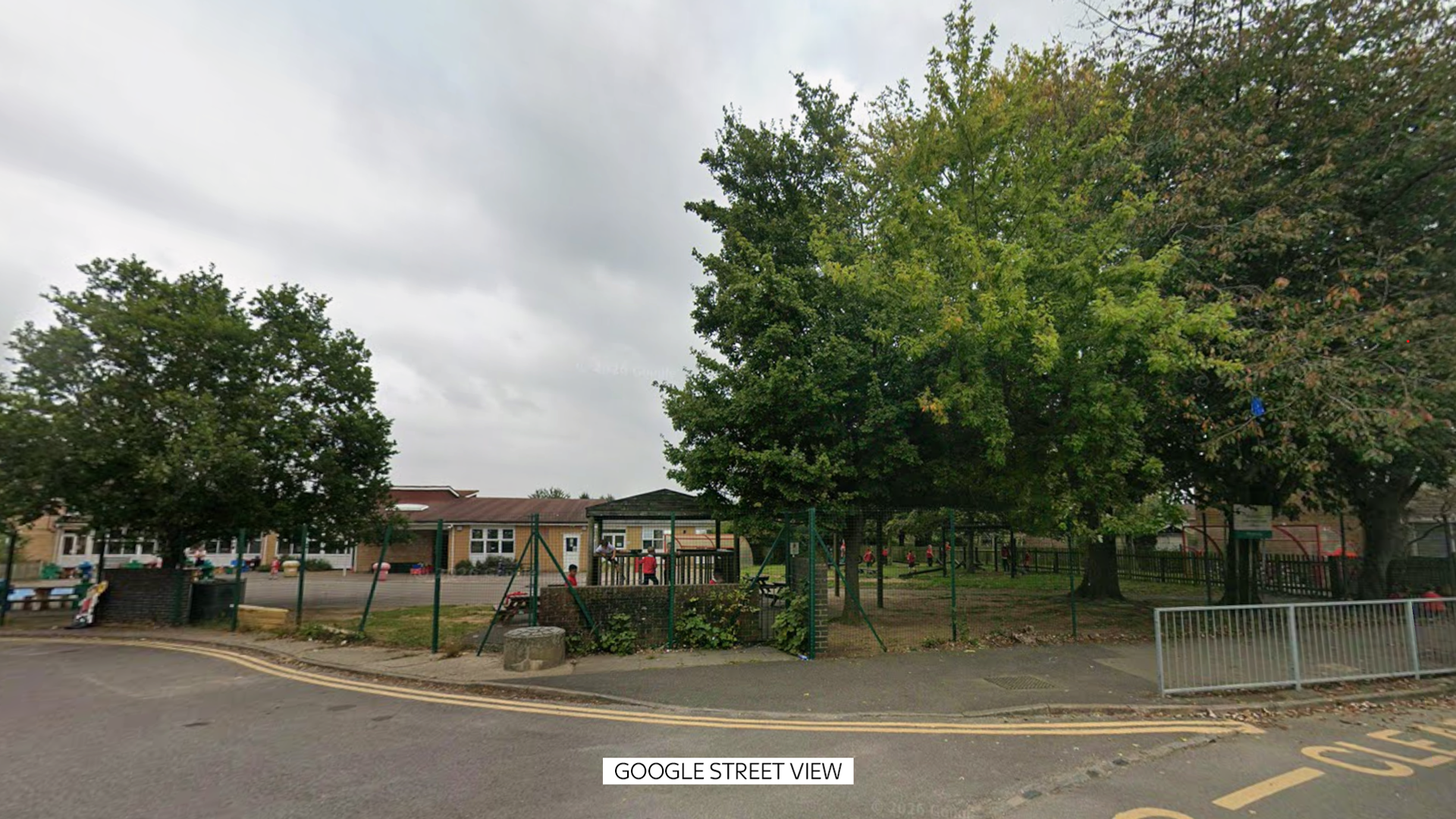
Inside the bright, primary-colored hallways of St. Jude’s Junior School, the sound is usually met with the chaotic symphony of scuffing sneakers, slamming lockers, and the high-pitched chatter of eight-year-olds swapping weekend stories. But this morning, the noise is muffled. It feels heavy, weighed down by a collective, unspoken anxiety that has been creeping through the hallways for three weeks.
In the third-grade classroom, the register is called. When the teacher reaches the fourth name on the list, there is only silence.
Row three, seat two is empty.
Public health briefings call it "Case Four." They wrap the diagnosis in sterilized, clinical language, reporting a confirmed occurrence of meningococcal disease in a young pupil, noting that contact tracing is underway, and reassuring the public that the overall risk remains low. They broadcast statistics. They issue press releases with passive verbs and bureaucratic comfort.
But public health briefings do not have to wash a favorite blue backpack. They do not have to look at a half-finished drawing of a dinosaur taped to a refrigerator door, or wonder how a child who was scoring a soccer goal on Saturday afternoon could be fighting for their life in an intensive care unit by Monday morning.
To truly understand what is happening inside the walls of this community, we have to look past the sterile numbers. We have to look at the invisible stakes.
The Speed of an Invisible Enemy
Meningitis is a word that sends a physical shiver down the spine of any parent or educator who has ever witnessed its trajectory. It does not knock politely. It breaks the door down.
Consider a hypothetical, yet devastatingly accurate timeline of how this bacteria operates. A child wakes up with a mild headache. It looks like a common cold, the kind of mundane bug that passes through every classroom in winter. The parents give them some acetaminophen, tell them to rest, and head to work.
By noon, the child is shivering violently under three blankets, despite a fever that makes their skin hot to the touch. By dinner, they cannot bear the sight of the dining room light. Their neck feels stiff, unyielding. Then comes the rash—tiny, purple pinpricks that do not fade when you press a clear glass against them.
By midnight, they are in the back of an ambulance, the siren wailing against the quiet suburban night.
The terrifying reality of bacterial meningitis is its velocity. The infection attacks the meninges, the delicate membranes that shroud the brain and spinal cord. It can evolve from a slight malaise to a life-threatening medical emergency in fewer than twenty-four hours.
When the local health authority announced the fourth confirmed case at St. Jude’s, the community reaction shifted from mild concern to palpable dread. One case is an isolated tragedy. Two cases create suspicion. Three constitute a cluster.
Four? Four feels like a siege.
The school gates became a flashpoint of whispered fears. Parents stood in small groups, clutching their younger children’s hands a little tighter than usual, staring at the brick building as if it held a ghost. The questions hung in the freezing morning air, unprompted but universally shared. Is my child safe? Did they sit next to Case Four in the cafeteria? Should we stay home?
The Biology of Connection
The human element of an outbreak is always complicated by the mechanics of transmission. We live in a world built on connection. Children share crayons, whisper secrets inches from each other’s faces, swap juice boxes on the playground, and hug goodbye at the end of the day.
These beautiful, necessary acts of childhood innocence are exactly how the bacteria travels.
Neisseria meningitidis is a hitchhiker. It lives quietly in the back of the throats of roughly ten percent of the population. These people are carriers. They walk among us, completely asymptomatic, unaware that they harbor a pathogen capable of devastating a young body. The bacteria spreads through respiratory and throat secretions—coughing, sneezing, kissing, or sharing utensils.
For the vast majority of people, the immune system holds the line. The bacteria is defeated before it ever crosses into the bloodstream. But in a select few, for reasons science still struggles to fully map, the defense fails. The bacteria breaches the barrier. It floods the blood, causing septicemia, or it invades the nervous system, causing meningitis.
This is the vulnerability that haunts every parent. It introduces an element of terrifying randomness to the equation. Why did Case Four become desperately ill while the child sitting at the next desk remained perfectly healthy?
The local health department moved quickly into the school after the third case, attempting to build a firewall of antibiotics around the pupils. They identified "close contacts"—defined generally as anyone who spent prolonged time in the same room or household. For these children and staff members, a short course of targeted antibiotics acts as a chemical shield, clearing the bacteria from the throat before it can cause harm or spread further.
Yet, despite these measures, Case Four emerged.
The breakdown of trust happens in these moments. When the experts say the situation is under control, but the numbers continue to climb, the public naturally retreats into skepticism. The instinct to protect one’s own overrides the logical explanations offered by medical spokespeople.
The Weight of the Waiting Room
Step away from the school for a moment and look into the waiting room of the regional hospital. This is where the true cost of an outbreak is tallied.
The air smells of industrial antiseptic and burnt coffee. The clock on the wall ticks with an agonizing, rhythmic slowness. A mother sits in a vinyl chair, her eyes fixed on the double doors leading to the pediatric intensive care unit. She hasn't slept in thirty-six hours. Her phone rests in her lap, buzzing intermittently with text messages from well-meaning friends asking for updates she doesn't have.
Every time those double doors swing open, her heart leaps into her throat. Every footsteps approaching could be the doctor with news. Will it be the news that the swelling is going down? Or will it be the conversation about potential complications—hearing loss, brain damage, or the amputation of limbs ravaged by septicemia?
This is the psychological landscape of a public health crisis. It is not a graph on a screen or a bullet point in a council meeting. It is a parent trying to bargain with the universe in a room illuminated by flickering fluorescent lights.
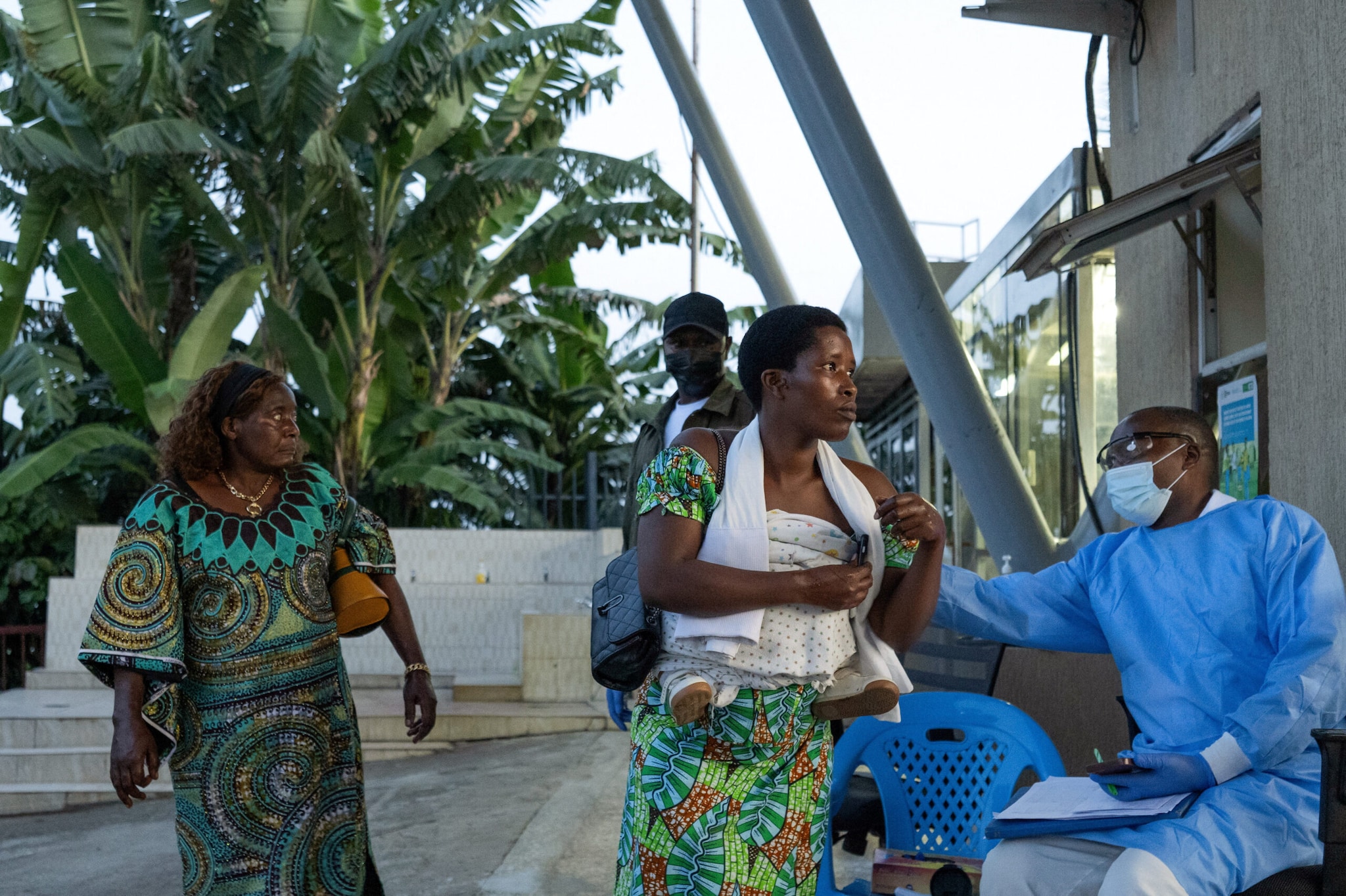
Medical professionals understand this terror all too well. Pediatric nurses and physicians who treat these cases carry a unique burden. They know that with meningitis, every minute matters. A delay of an hour in administering intravenous antibiotics can be the difference between a full recovery and a devastating outcome. They work with a fierce, quiet urgency, their faces masked to hide the gravity of what they are fighting.
The burden spreads outward to the teachers as well. The educator who stood at the front of that third-grade classroom had to look at that empty desk all day. They had to field questions from inquisitive eight-year-olds who wanted to know why their friend wasn't at school, why everyone was suddenly washing their hands so much, and why some people were wearing masks.
How do you explain the concept of a microscopic threat to a child without making them afraid of the very air they breathe?
The Armor We Have
In the face of such a swift and terrifying adversary, it is easy to feel entirely helpless. The natural human reaction to an invisible threat is to retreat, to lock the doors, to isolate. But history shows us a different path.
The story of human health is a long war against these very pathogens, and we are not weaponless.
Vaccination remains the most formidable shield we possess against the tragedy unfolding at St. Jude’s. Over the last few decades, the development of vaccines targeting different strains of meningococcal disease—strains A, C, W, Y, and B—has fundamentally altered the battlefield. Diseases that used to sweep through entire towns, claiming dozens of young lives in a single winter, have been pushed to the margins.
But the margin is not zero.
Outbreaks like this one serve as a stark, painful reminder that the peace we enjoy from infectious diseases is a fragile one. It requires constant maintenance. It demands that we keep our collective guard up, ensuring that immunization schedules are followed and that booster shots are administered on time. When vaccination rates dip, even slightly, the firewall develops holes. The bacteria, ever opportunistic, finds the gap.
There is a concept in epidemiology known as herd immunity, a phrase that has become clinical and detached through overuse. Let us translate it into human terms. Herd immunity means that when enough of us choose to protect ourselves, we create a living wall of safety around those who cannot. We protect the infant too young to be vaccinated. We protect the child undergoing chemotherapy whose immune system is shattered. We protect the classmate sitting in row three.
It is an act of quiet, communal love.
The Lessons of the Shadows
As the sun begins to set over the town, casting long shadows across the empty playground of St. Jude’s, the immediate future remains uncertain. Public health teams will continue their work through the night. They will track down every lead, analyze every swab, and administer every dose of prophylactic medicine they can. They will try to ensure that Case Four is the final chapter of this specific outbreak.
The school will open again tomorrow. The bell will ring at 8:30 AM. The children will file in, their resilience allowing them to find joy and distraction in their lessons, even as the adults around them watch with hyper-vigilant eyes.
We are reminded, through the sheer shock of these events, of the profound fragility of the routines we take for granted. We assume the children who leave our homes in the morning will return in the afternoon, unchanged except for a bit of dirt on their knees or a new story to tell. We assume the spaces we build for learning and growth are inherently safe from the darker forces of the natural world.
But safety is not a default setting of the universe. It is something we actively construct, day by day, through vigilance, through medical science, and through looking out for one another.
The empty desk in the third-grade classroom is a monument to that truth. It stands as a silent witness to a battle being fought in a hospital room a few miles away, a battle for a future filled with more playground laughter, more shared secrets, and a morning when every single name on the register receives a joyful answer.