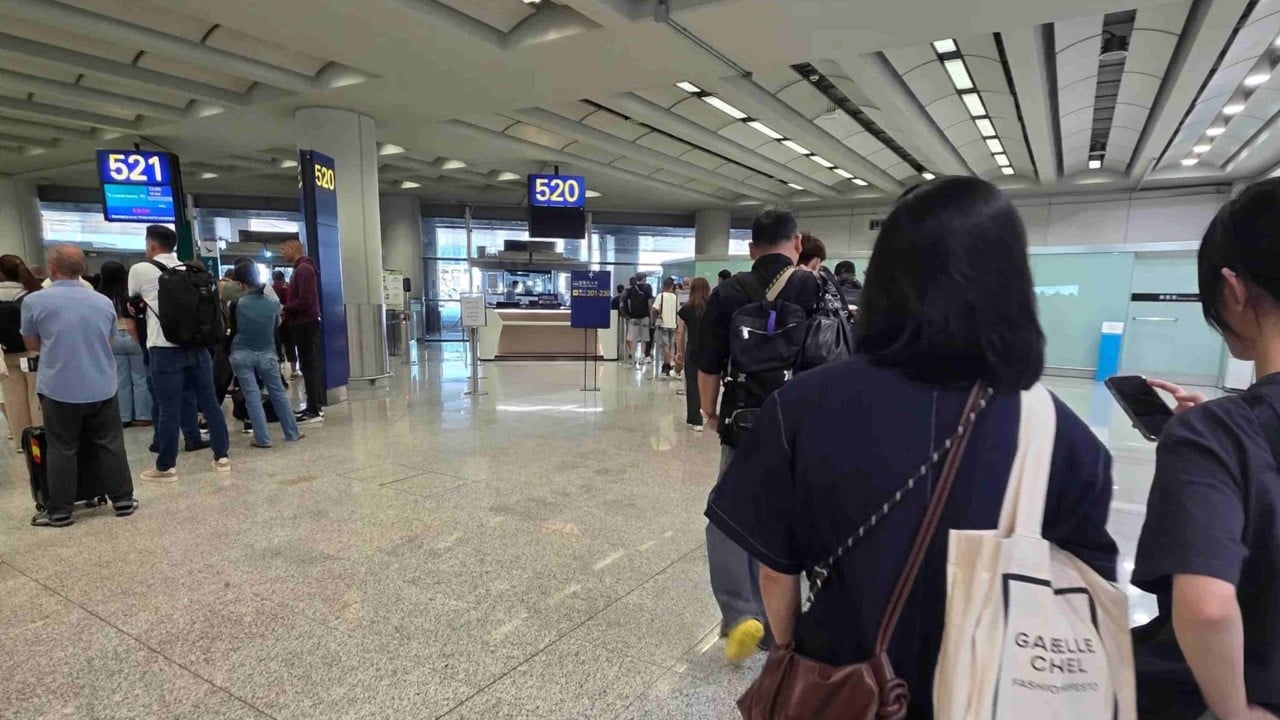
Every time a Russian airport clears out because of an incoming missile alert, the media treats it as a high-stakes thriller. Sirens wail, passengers scramble, pundits hyperventilate about infrastructure vulnerability, and armchair generals dissect the radar logs. It makes for compelling television. It also represents a catastrophic failure of basic operational logic.
Let us state the uncomfortable truth right out of the gate. Herding thousands of civilians into glass-walled terminals, open boarding bridges, or packed parking lots during an active aerial threat is not a safety protocol. It is a casualty-maximization strategy wrapped in bureaucratic liability protection.
I have spent decades auditing crisis management plans for high-threat infrastructure across volatile logistics corridors. I have seen institutions spend millions on automated evacuation triggers that satisfy insurance underwriters while actively putting human lives directly in harm's way.
The lazy consensus is simple: threat detected means people must move.
The reality of modern high-speed munitions makes that premise completely obsolete.
The Geography of a Concrete Coffin
To understand why mass terminal evacuations during an aerial alert are a bad joke, look at how modern airports are built. They are giant, sprawling pavilions of steel, structural cabling, and acres of laminated glass. They are temples to architectural transparency, which translates directly to zero ballistic protection.
When an automated missile alert goes off, the standard operating procedure forces hundreds or thousands of passengers out of deep interior security checkpoints, baggage basements, and reinforced concrete jetways, pushing them straight into cavernous, glass-heavy main concourses.
If a hypersonic or cruise missile is intercepted overhead, or if debris rains down, those glass facades turn into a billion razor-sharp guillotine blades. Shrapnel from air defense interceptors travels for miles at terminal velocity. Moving people toward the perimeter or trapping them in open-plan atriums during an incoming alert is a textbook recipe for mass trauma.
Yet, authorities keep doing it. Why? Because of bureaucratic self-preservation.
If an airport stays open during an alert and a strike hits, managers face criminal negligence charges for keeping people inside. If they order an evacuation and people get hurt in the chaos or by falling shrapnel outside, it is labeled an act of war or an unpredictable tragedy. The system optimizes for legal defense, not human survival.
The Illusion of Kinetic Speed
Let us talk about timelines, because basic physics destroys the entire premise of an airport evacuation.
Hypersonic threats travel at Mach 5 and above. Even standard cruise missiles move at hundreds of meters per second. From the moment a radar tracks a launch to the moment of impact or interception, you typically have anywhere from ninety seconds to four minutes.
Think about that window for a second.
It takes ninety seconds just to get a gate agent to stop looking at their computer screen, let alone clear three thousand panicked travelers with rolling luggage out of a sprawling terminal building and into a designated bunker.
You cannot evacuate an airport in ninety seconds. It is a physical impossibility. Trying to do so creates a crushing human bottleneck at every exit door, turning the terminal floor into a stampede zone. People trip, bags jam, glass shatters under pressure, and the crowd becomes its own worst enemy long before any external threat reaches the tarmac.
The most dangerous place during an aerial alert is not the tarmac. It is the bottlenecked doorway of a panicked crowd trying to escape a building that was never engineered to be a fallout shelter.
What Real Crisis Engineering Looks Like
If mass evacuations during an immediate missile alert are a dangerous delusion, what is the alternative?
Real infrastructure hardening looks boring, counter-intuitive, and entirely unsuited for dramatic news broadcasts. It relies on shelter-in-place protocols designed around structural physics rather than liability checklists.
Instead of rushing people out into the open air during an alert, intelligent facility design mandates the exact opposite: inward migration.
- Deep Core Hardening: Airports in high-risk zones should designate subterranean baggage tunnels, reinforced concrete core restrooms, and structural utility basements as primary immediate-action shelters.
- The Stay-Put Mandate: Passengers should be directed away from exterior glass walls and down into central, windowless zones within thirty seconds.
- Zonal Shutters: Blast curtains and heavy steel fire doors should drop automatically to compartmentalize massive open terminal spaces, preventing shockwaves and flying glass from sweeping through entire concourses.
Notice what is missing from that list? Moving people across open tarmac. Moving people into glass-walled parking garages. Moving people outside where falling debris can shred them.
The Liability Trap
The reason civilian aviation authorities continue to cling to outdated evacuation scripts comes down to a fundamental misunderstanding of risk attribution.
When a facility manager hears a missile alert, their brain registers two distinct outcomes. Outcome A: Keep everyone inside a reinforced core, a stray piece of shrapnel pierces the roof, someone dies, and the media runs headlines about negligence. Outcome B: Order a full evacuation, people sprint onto the open street, an interceptor debris field blankets the parking lot, dozens are maimed, but the administration followed the official emergency manual to the letter.
In the eyes of institutional bureaucracy, Outcome B is defensible. Outcome A is a career-ender.
The entire system is rigged to protect the institution's paper trail at the direct expense of the passenger's physical safety. Until regulators have the courage to rewrite crisis codes based on actual ballistics rather than legal CYA measures, airports will remain high-profile, glass-fronted targets where the official emergency response is often more hazardous than the threat itself.
Stop trusting the sirens if they are telling you to run toward the glass. Look for concrete, look for the core, and stay put.