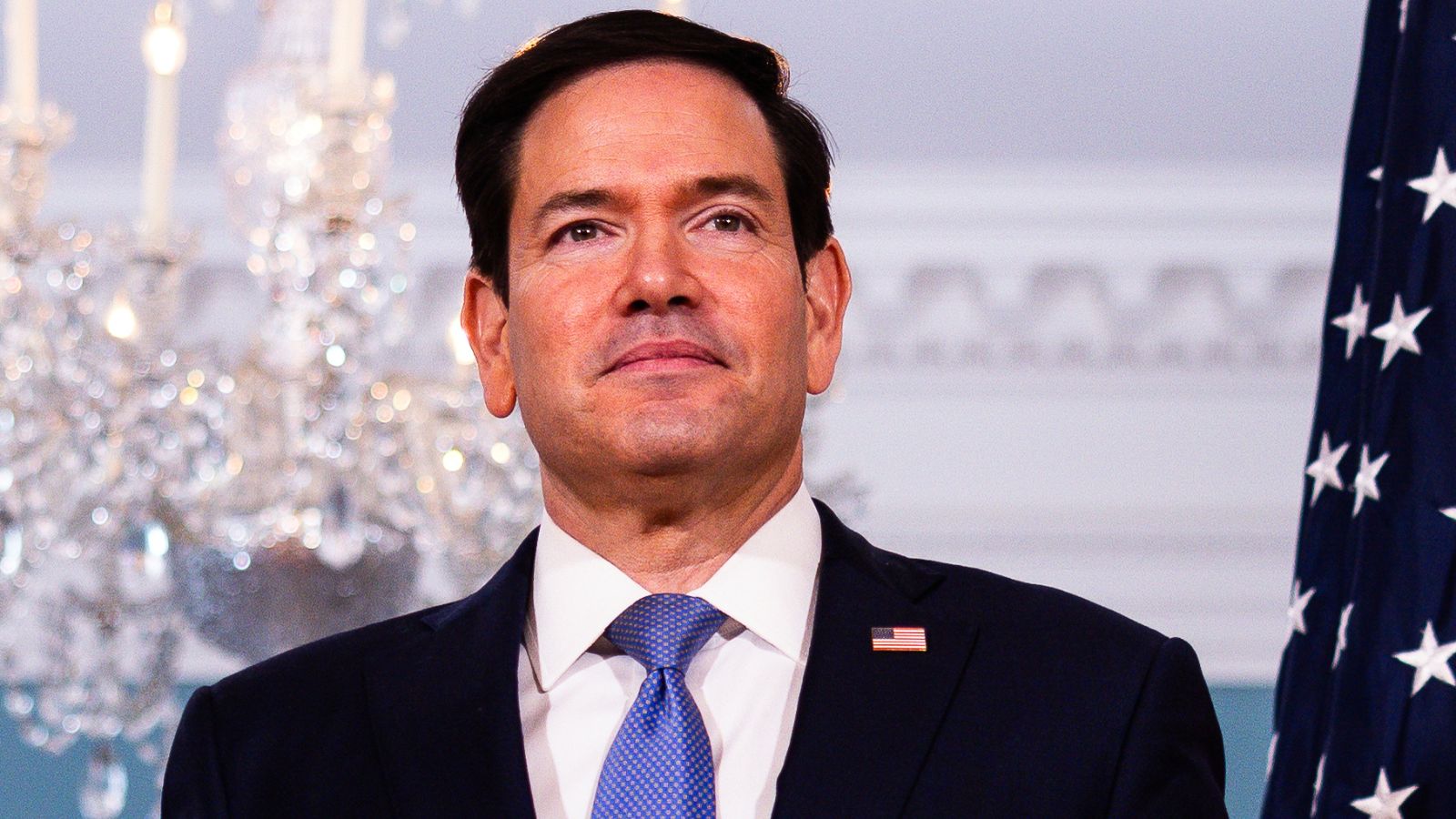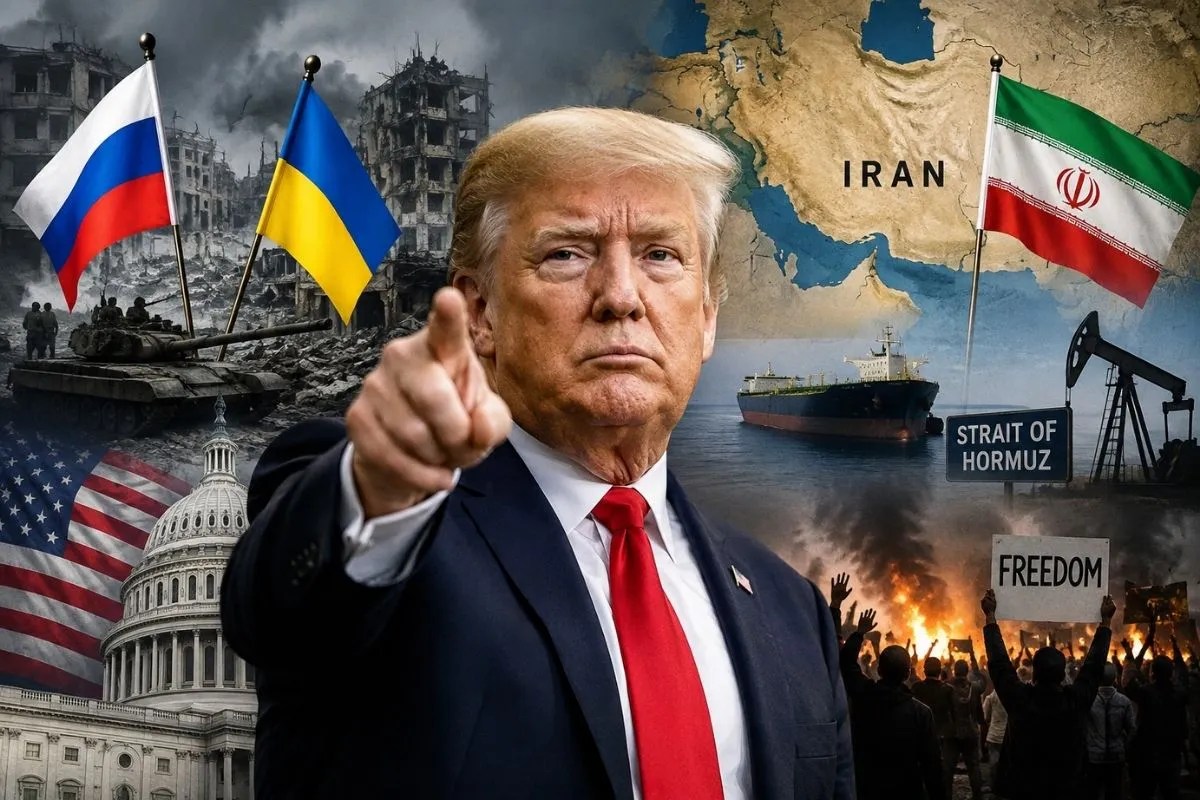
Donald Trump isn't one to keep quiet about what could have been. In recent statements regarding global conflicts, the former U.S. president doubled down on a familiar narrative: if the 2020 election hadn't gone the way it did, the Russia-Ukraine war would never have started.
It’s a bold assertion, but it sits at the core of how Trump frames his foreign policy legacy. He insists that his administration kept international adversaries in check simply through sheer force of will and unpredictable diplomacy. According to him, he's personally stopped eight different conflicts around the globe, managing flashpoints that many career diplomats considered completely intractable.
The Core Argument Behind the 2020 Claims
Let's look at what's actually being argued here. Trump maintains that between 2016 and 2020, his direct lines of communication with world leaders like Vladimir Putin prevented major geopolitical eruptions. The logic relies on a deterrence model. If Washington projects absolute unpredictability and strength, foreign adversaries think twice before crossing borders.
Critics roll their eyes at this. They point out that correlation isn't causation and that attributing complex geopolitical shifts entirely to one person ignores local histories, economic pressures, and long-standing regional hatreds. Yet, supporters argue that Trump's unorthodox approach—using economic tariffs, direct threats, and intense bilateral pressure—forced hostile nations to stay at the negotiating table rather than march onto the battlefield.
Breaking Down the Eight Wars Claim
Trump frequently boasts about halting eight separate conflicts, ranging from flashpoints in Asia to tensions in the Middle East and Africa. Fact-checkers and foreign policy analysts often push back, noting that some of these situations weren't technically full-scale wars, while others remain fragile ceasefires rather than permanent resolutions.
Take the Strait of Hormuz or recurring border tensions in South Asia. Trump has repeatedly claimed credit for stepping in during moments of high nuclear anxiety, warning leaders of severe trade penalties if they didn't back down. While international bodies and local politicians sometimes dispute the exact mechanics of who brokered what, the underlying reality remains: the world has grown increasingly volatile, and leaders are constantly judged by their ability to keep a lid on rising global friction.
Looking at the Broader Geopolitical Ripple Effect
You can't separate domestic American politics from international security. When power shifts in Washington, policy shifts instantly. The abrupt transition in 2021 altered how allies and enemies calculated the risks of military action. Whether you view Trump's foreign policy as chaotic brinkmanship or effective peace-through-strength, his narrative strikes a chord with voters who feel global stability has nosedived over the last few years.
The debate won't be settled anytime soon. History will ultimately judge whether the 2020 outcome truly changed the trajectory of modern warfare or if these conflicts were inevitable structural clashes waiting to happen. For now, the claims remain a potent political weapon and a stark reminder of how fragile international borders really are.
Stop expecting easy answers in global politics. The next time a major conflict flares up, look past the headlines and examine the economic levers pulling the strings behind the scenes. Republic World Short on Trump's Peace Claims