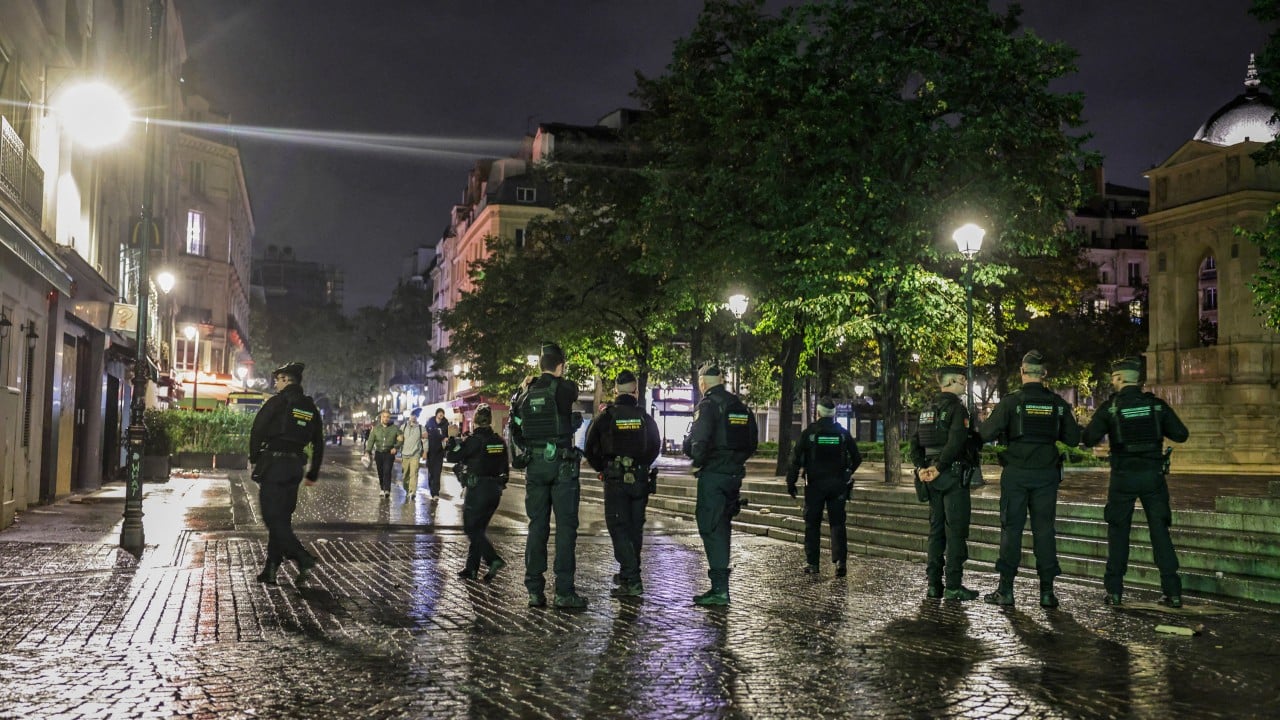
Seventy thousand officers on the streets sounds like a show of total control. In reality, it often looks like a government admitting it can't manage the room without overwhelming force.
When French authorities mobilized roughly 70,000 police and gendarmes ahead of weekend demonstrations in late October 2026, while President Emmanuel Macron postponed planned visits to Nigeria and Senegal, the story wasn't just about crowd control. It was about a leader stuck at home trying to contain a multi-layered revolt over school conditions, cost-of-living pressures, and deep political fatigue. For anyone following European politics, the core question is simple: why did street anger spiral this hard, and why does delaying an Africa trip matter beyond diplomacy?
What Sparked the 70,000-Police Mobilization in France
If you look at the protests in isolation, you'll miss how they snowballed. What started as student frustration over conditions in lycées (high schools) collided with broader anger over inflation, fuel costs, and everyday affordability. Trade unions, former yellow vest activists, climate groups, and young people who feel locked out of economic security all found reasons to march.
The turning point came when peaceful marches mixed with pockets of severe violence, looting, and arson. Government figures and international wire reports showed hundreds of thousands of demonstrators turning out across major French cities on key October weekends, alongside thousands of arrests across the wave of unrest and injuries on both sides. Interior Minister Laurent Nuñez warned of online calls for looting and attacks on public property, prompting strict security measures like curfews in flashpoint zones, limits on protest routes, and heavy deployments that included specialized units.
Here's the catch that headlines often gloss over. Mobilizing 70,000 officers can protect storefronts, close sensitive sites, and deter some street disorder. It doesn't lower grocery bills or fix strained classrooms. And when heavy policing clashes with high schoolers and young adults, policing itself becomes part of the grievance.
Why Macron Delayed His Africa Trip to Nigeria and Senegal
Postponing international travel isn't a minor schedule tweak for a French president. Macron had lined up visits to Nigeria and Senegal for late October, two major partners where France has long worked to recalibrate its diplomatic, economic, and security ties across West Africa. Stepping back from that trip signaled that the Élysée viewed the domestic crisis as an all-hands-on-deck emergency.
From a political standpoint, the calculation makes sense. Flying to Lagos or Dakar while images of tear gas, barricades, boarded-up shops, and closed cultural venues dominate French screens would look tone-deaf at home. Even more practically, Macron needed to hold defense and security meetings, meet with student representatives, and manage tense negotiations with unions and opposition figures.
Yet there's a real cost to pulling back. West African relationships already require constant diplomatic maintenance, and high-profile delays hand critics ammunition—both domestic rivals arguing the executive is losing its grip and foreign competitors eager to fill any perceived vacuum. Delaying a trip buys time in Paris, not necessarily momentum abroad.
The Politics of Blame and Protest Bans
Whenever street unrest escalates in France, a familiar political tug-of-war breaks out over who is responsible and where the line sits between legitimate protest and public disorder. Macron's government emphasized distinguishing peaceful demonstrators from violent actors and "ultra-left" or delinquent factions accused of hijacking marches to loot and vandalize.
Opposition lawmakers on the left and greens pushed back hard against broad restrictions and protest bans, arguing that heavy-handed curbs risk criminalizing dissent rather than addressing root causes. Meanwhile, figures on the hard left tried to channel the street energy politically, while broader frustration hung over the upcoming French political calendar and the end of Macron's final term.
Truthfully, both sides have a point—and a blind spot. Pretending violent rioters aren't a real problem ignores shopkeepers boarding up windows and historic buildings taking damage. Pretending blanket bans or baton charges will magically restore trust ignores why hundreds of thousands of people are willing to brave tear gas in the first place.
What Most Coverage Misses About This Unrest
Most quick-hit news summaries treat France's protests like a repeat of past clashes and move on. That's a mistake. Three details make this wave distinct and worth watching closely:
- High schoolers aren't just an afterthought. Students and youth collectives played a central role early on, turning local school grievances into a wider generational pushback over opportunity, cost of living, and how young people are treated by the state.
- Economic anxiety cuts across degrees and ages. Frustration hasn't come solely from one narrow group; reporting from the streets has highlighted graduates struggling to land good work alongside working families squeezed by living costs and inequality.
- It echoes wider European youth restlessness. Parallel youth-led marches and cost-of-living anger popped up in other European countries around the same period, showing that France's pressure cooker isn't happening in a total vacuum.
One nuance deserves care: exact crowd sizes and exact causes behind specific clashes or injuries are routinely contested. Organizers almost always estimate larger turnouts than interior ministries, and investigations into particular incidents take time to conclude. Treating early rumors or partisan claims as settled fact is one of the easiest traps in fast-moving street coverage.
How to Follow France's Unrest and Policy Fallout Smartly
If you're tracking this story for work, research, or general awareness, don't rely on single-clip social media posts or morning headline roundups. A few practical habits will give you a much clearer picture of what actually holds and what fades:
- Compare official tallies with independent reporting. Check government figures alongside major wire services like AP News and established European desks such as The Guardian to separate verified arrests and route changes from inflated crowd claims.
- Watch policy concessions, not just police numbers. Deployments tell you how the state plans to handle the weekend; budgets, school funding, fuel/living-cost measures, and union talks tell you whether the underlying pressure might ease.
- Track rescheduled diplomacy with Nigeria and Senegal. Watch whether Macron's postponed visits to West Africa are reset quickly or quietly pushed down the calendar—that timing will show how confident the government feels about domestic stability.
- Separate peaceful rallies from night-time flashpoints. In French demonstrations, daytime marches and evening clashes often look completely different depending on location and timing, so read full dispatches rather than judging an entire day by one viral clip.