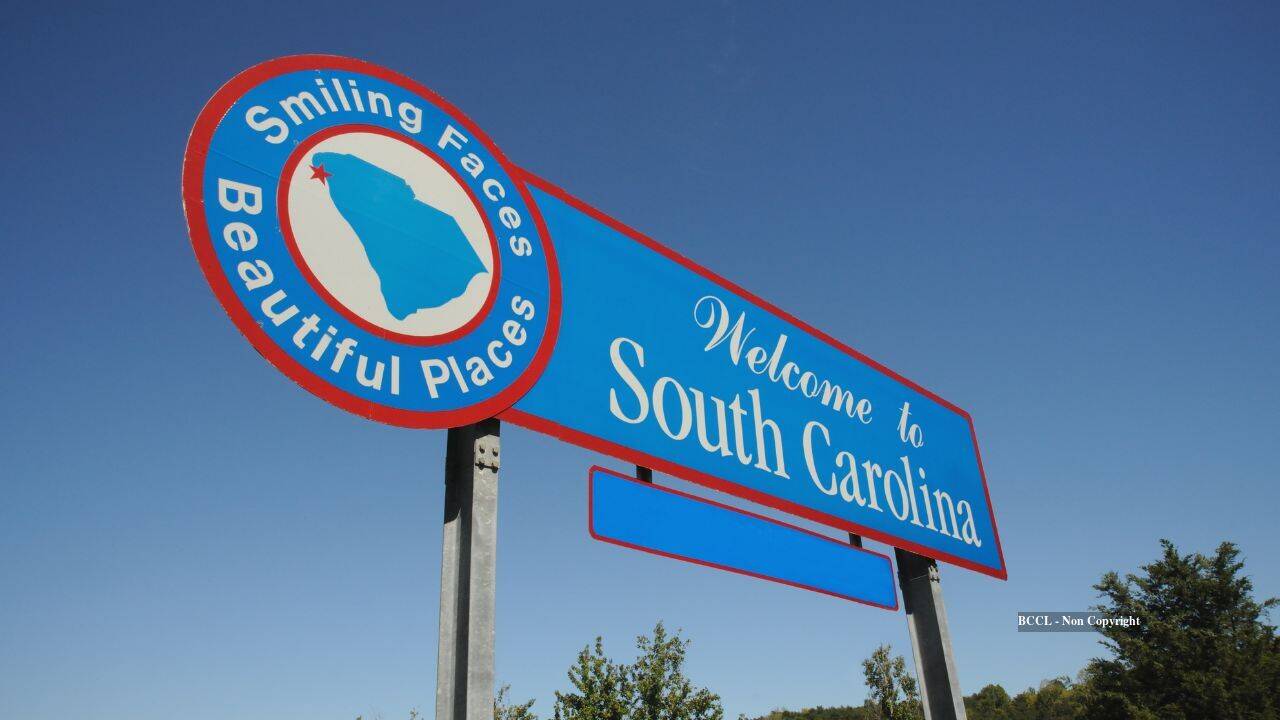
Real estate developers usually win in the South Carolina Lowcountry. Land gets cleared, subdivisions pop up overnight, and centuries-old ecosystems vanish behind fresh asphalt. But a massive recent move flipped that script entirely. Cox Enterprises walked away from hundreds of millions of dollars in potential development value to permanently protect nearly 4,400 acres of its historic Clarendon Farms property.
This isn't just a feel-good corporate press release. It is one of the largest and most significant private land conservation easements in United States history, altering how major corporations approach natural capital and generational land stewardship. For another perspective, check out: this related article.
What Actually Happened at Clarendon Farms
Clarendon Farms sits right in the crosshairs of rapid growth in Beaufort County. Instead of carving up the property for housing tracts or commercial zones, Cox Enterprises and the Cox family partnered with Ducks Unlimited to donate a conservation easement covering 4,380-plus acres.
When you add this new agreement to a prior 1,200-acre easement put in place back in 2009, the total protected footprint climbs past 5,600 acres. That acreage anchors an uninterrupted wildlife corridor spanning over 20,000 acres of conserved land in the region. Related coverage on this matter has been shared by The Motley Fool.
The property itself holds staggering ecological value. We are talking about more than 40 miles of river and marsh frontage, nine islands, several hammock islands, historic rice fields, and roughly 1,300 acres of upland pine forest.
Why This Conservation Deal Matters for the Lowcountry
Most people underestimate how fragile coastal watersheds are until storms hit or water quality crashes. Clarendon Farms operates like an organic sponge and a natural shield for the Port Royal Sound watershed.
Keeping those 40-plus miles of shoreline entirely free from docks, bulkheads, and dense housing protects natural water flows, nutrient cycling, and flood storage. As coastal populations surge, maintaining these giant blocks of intact wetlands acts as a baseline defense against severe storm surges and rising sea levels.
The property is also a powerhouse for wildlife. Sitting squarely in the path of the Atlantic Flyway, the wetlands and flooded timber provide vital resting and feeding grounds for millions of migratory birds. Wild turkeys, white-tailed deer, bobwhite quail, and numerous coastal species rely on this exact patch of contiguous habitat to breed and survive.
The Economics Behind Giving Up Millions
Let's be direct. Forgoing development rights worth hundreds of millions of dollars looks counterintuitive on a standard corporate balance sheet. Companies exist to make money, right?
Not always. Leaders like Jim Kennedy, chairman emeritus of Cox Enterprises and chairman of the James M. Cox Foundation, alongside CEO Alex Taylor, viewed Clarendon Farms as a legacy asset rather than a liquid commodity. The financial sacrifice is real, but the return comes in the form of permanent natural capital—clean water, locked-in carbon storage, and the preservation of a priceless American landscape.
A conservation easement doesn't mean the land gets locked behind a fence with zero human interaction, either. Traditional sustainable uses like responsible timber management, hunting, and localized stewardship can continue. What gets stripped away forever are the subdivision bulldozers and heavy commercial zoning rights.
What Property Owners Can Learn From This Move
You don't need thousands of corporate-owned acres in South Carolina to apply the lessons learned from the Clarendon Farms agreement. Private land stewardship is quietly becoming the last line of defense for America's vanishing ecosystems.
If you own land or advise clients on asset management, look closely at how perpetual easements work. They offer substantial tax advantages while ensuring your property doesn't get chopped up by future generations who might not share your conservation ethos. Reach out to established non-profits like Ducks Unlimited, local land trusts, or state forestry commissions to map out what's possible for your acreage. Protect what matters before the market forces your hand.