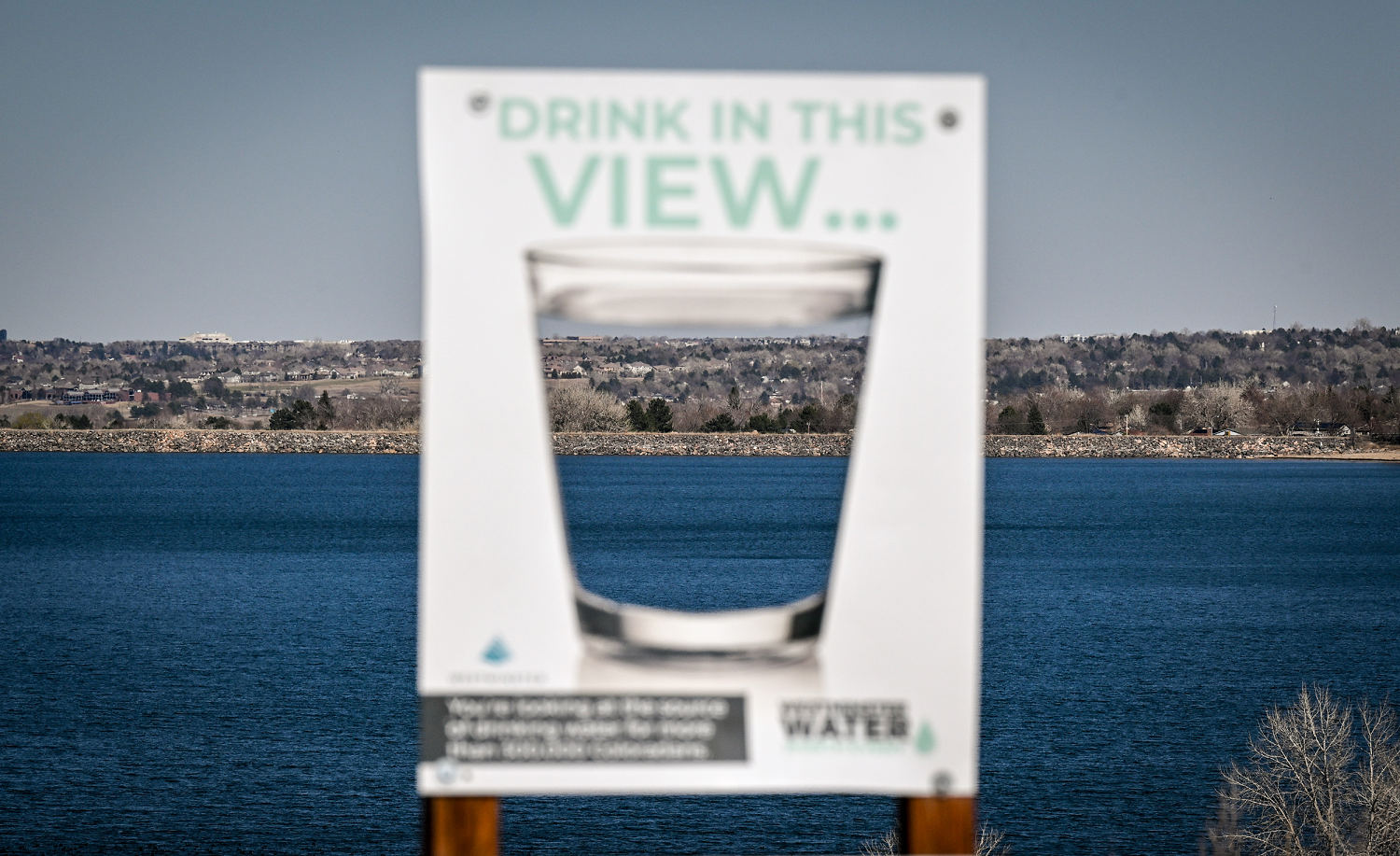
You probably didn't expect to hear about outdoor watering bans while there was still snow on the peaks. Yet, here we are. Colorado residents are staring down the barrel of the earliest water restrictions in state history. It isn't just a dry spell. It's a fundamental shift in how the Mountain West functions. If you've lived here long enough, you know the drill, but the timing this year is genuinely alarming.
The Colorado River Basin is screaming for help. While we used to wait until July or August for the dreaded "no-sprinkler" notices, towns are now pulling the trigger in early spring. This isn't a drill. It’s the new baseline.
The math behind the dry taps
The problem isn't just a lack of rain. It's a "snowpack-to-streamflow" disconnect. In the old days, a 100% snowpack meant 100% runoff into our reservoirs. Now, because the soil is so parched and the air is so warm, that snow evaporates or soaks into the ground before it ever reaches a pipe. We're losing the water before we can even catch it.
Researchers at Colorado State University have been pointing to this "thirsty atmosphere" for years. When the air is warmer, it acts like a sponge, sucking moisture out of the landscape. Even a decent winter can't save us if the spring heatwave hits too early. This year, that’s exactly what happened. We saw record-breaking temperatures in March that triggered an early melt, forcing water managers to move up their timelines to protect municipal supplies.
Why your lawn is the first target
Let’s be real. Kentucky Bluegrass doesn’t belong in a high-desert climate. We’ve spent decades pretending Colorado is the Midwest, carpeting our suburbs in thirsty, green velvet. When water levels drop, the easiest lever for a city to pull is the one connected to your irrigation system.
Outdoor watering accounts for nearly 50% of residential water use in many Colorado cities. That’s a massive chunk of change. By moving restrictions to the spring, cities are trying to prevent the "peak demand" surge that happens when everyone turns on their sprinklers at once. If we wait until June to conserve, it’s often too late. The reservoirs are already depleted, and the pressure on the system becomes a safety risk.
I’ve talked to folks in Douglas County and Aurora who are frustrated. They feel like they’re being punished while big developers keep building. It’s a fair gripe. But the reality is that the water simply isn't there. Whether you're in a new build or a 50-year-old ranch, the pipe leads back to the same dwindling sources.
The ripple effect beyond the front range
This isn't just a suburban headache for people who want green grass. These early restrictions are a harbinger for the agricultural sector. If cities are cutting back now, farmers are getting hit even harder. Many ranchers are being forced to sell off cattle because they can't afford the water to grow hay.
When the headwaters of the Colorado River struggle, seven states feel the pinch. We’re at the top of the "water tower," and if our buckets are empty, everyone downstream—from Las Vegas to Los Angeles—is in deep trouble. The legal battles over the 1922 Colorado River Compact are heating up, and Colorado is right in the crosshairs. We have a legal obligation to send a certain amount of water downstream, which leaves even less for our own growing population.
Stop waiting for a miracle winter
We need to kill the "one big snow year will fix it" mentality. It won't. One heavy winter is just a band-aid on a gaping wound. We’ve had twenty years of drought conditions, and the groundwater levels are at historic lows. Even a banner year for snow only brings us back to "slightly below average" in the long run.
The state is finally pushing for "turf replacement" programs. They'll actually pay you to rip out your grass. It sounds drastic, but it's the most effective way to stay ahead of the mandates. If you don't have a lawn that needs three soakings a week, you don't have to worry about the sheriff knocking on your door because you watered on a Tuesday instead of a Wednesday.
What you can actually do right now
Waiting for the government to solve this is a losing game. You have to take control of your own property's water footprint before the restrictions become even more draconian.
- Audit your irrigation. Most people waste 30% of their water through leaky heads or spraying the sidewalk. Fix it.
- Switch to drip. If you have bushes or trees, get them off the overhead spray. Drip irrigation puts water at the roots where it actually matters.
- Plant native. Buffalograss or Blue Grama can survive on half the water of Bluegrass. They look different, sure, but they won't die when the bans hit.
- Check your soil. Adding compost or mulch helps the ground hold onto the water you do use. It stops that "thirsty atmosphere" from stealing your investment.
The era of cheap water is over
For a long time, water was the cheapest utility bill in the house. Those days are gone. Expect rates to climb as cities invest in "direct potable reuse" (basically recycling wastewater) and expensive storage projects.
These early restrictions are a wake-up call. They’re a signal that the climate we grew up with isn't the one we're living in now. It’s time to stop fighting the landscape and start living within the limits of the desert. If we don't adapt our habits today, "earliest-ever" will just become "permanent."
Check your local municipal website for the specific days you're allowed to water. Don't wait for the fine to show up in your mailbox. Start swapping out high-water plants for drought-tolerant varieties while the ground is still workable. Making the switch now saves you money and keeps our mountain communities from running dry when the heat of July truly hits.