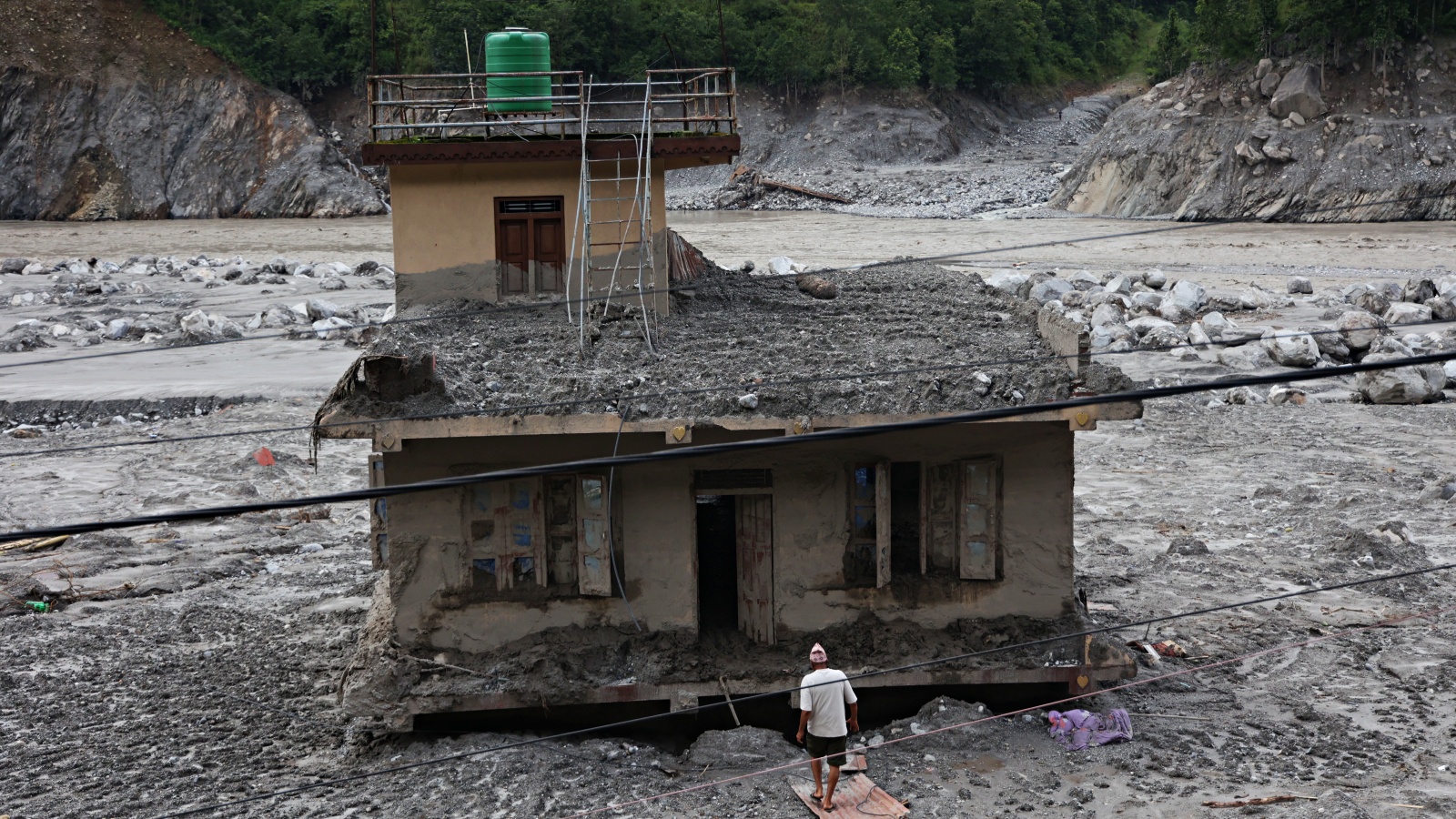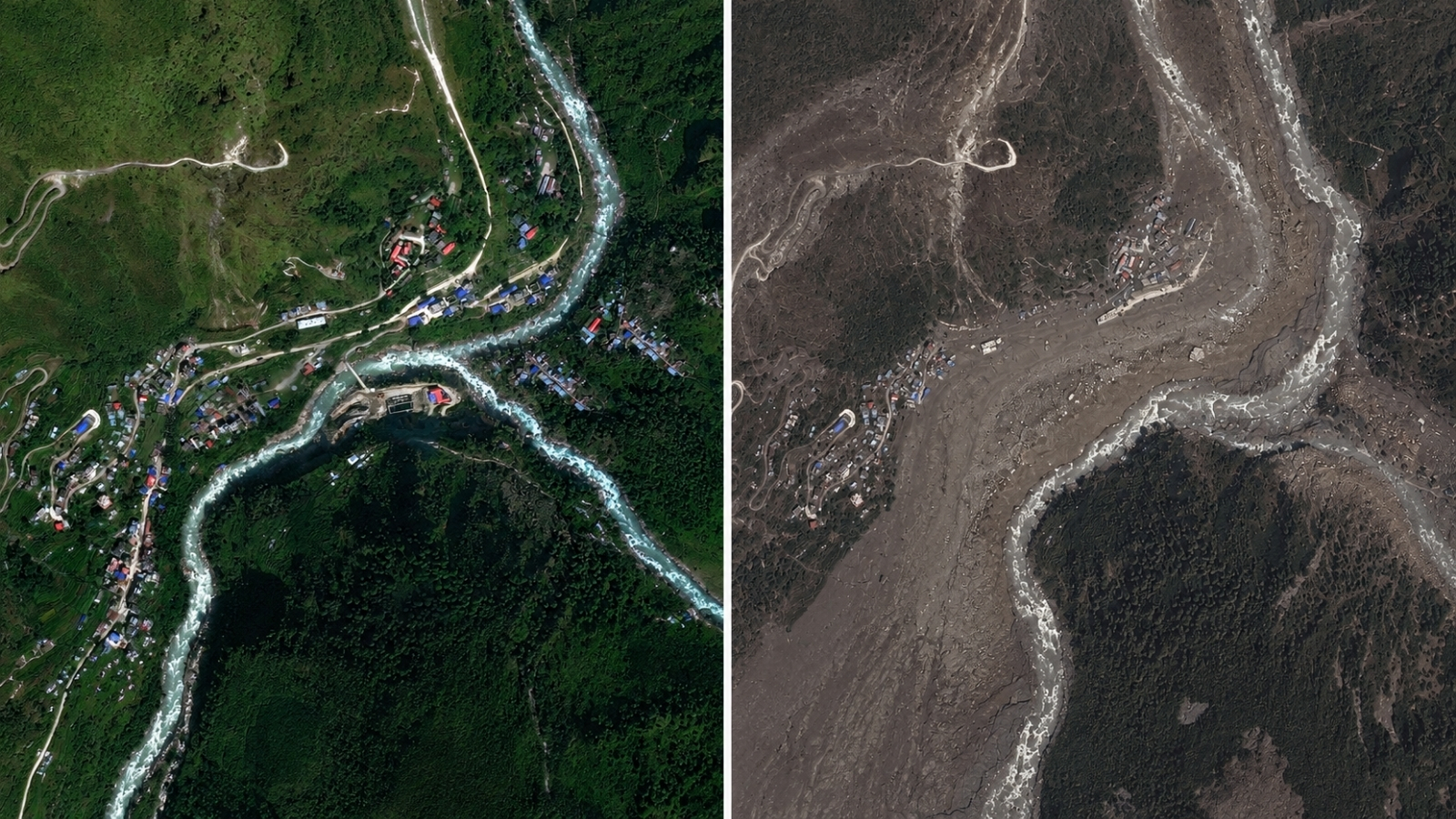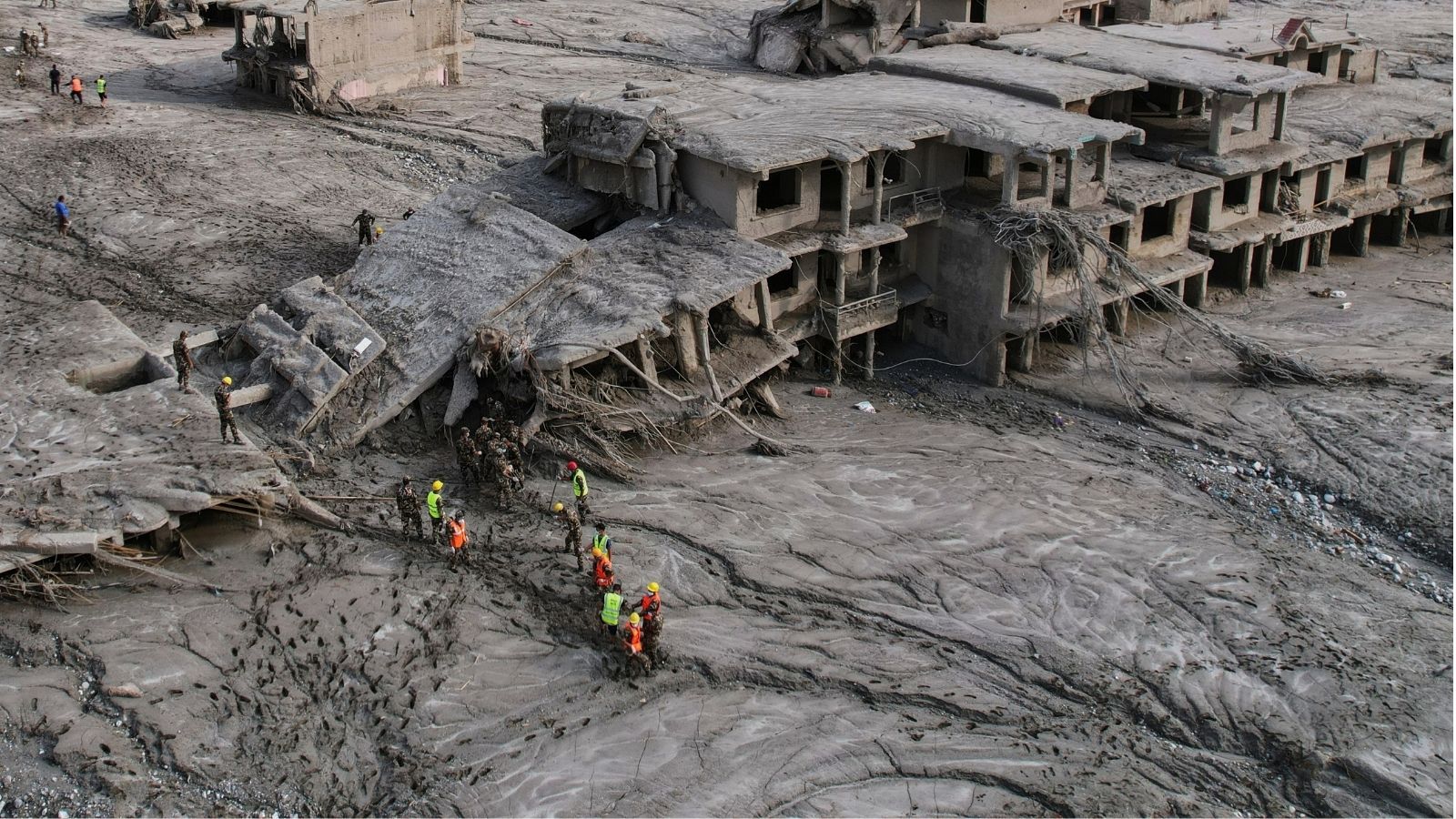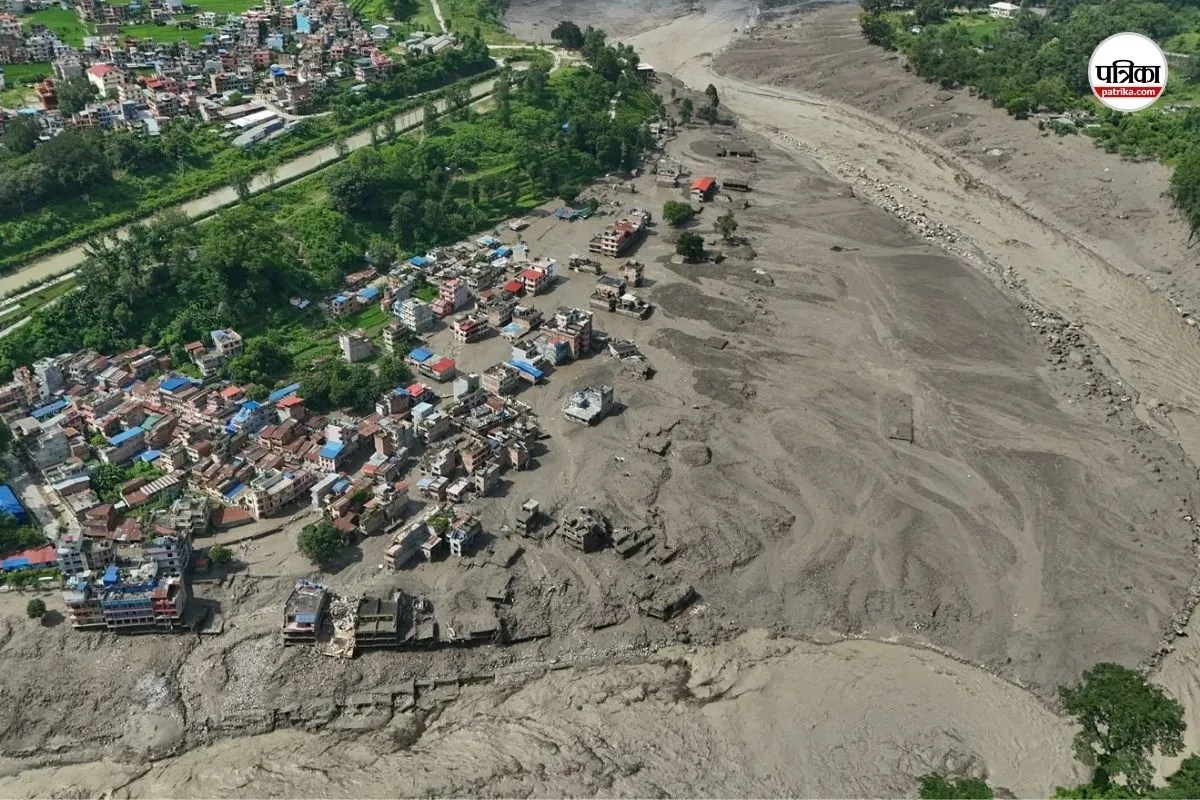
When hydraulic force overcomes structural anchoring, physical infrastructure transforms into a mobile vector of unallocated capital. The recent catastrophic flooding in Nepal demonstrated this phenomenon when a heavy bank locker originating from the Bhotekoshi area of Rasuwa district was dislodged and transported dozens of kilometers downstream, ultimately depositing along the banks of the Trishuli River in the Dhading district. This displacement of institutional assets triggered an immediate localized scramble, resulting in the detention of 29 individuals and the recovery of approximately 92.68 million Nepalese rupees, equivalent to roughly 58 million Indian rupees. Analyzing this event requires moving past sensationalist narratives to examine the structural mechanics of asset displacement, the collapse of institutional controls during systemic shock, and the behavioral economics of crisis-driven opportunism.
The Physical Mechanics of Asset Dislodgement
The transport of a high-density, secure container across a multi-kilometer fluvial pathway highlights the sheer kinetic energy of extreme hydrological events. Standard architectural assumptions for financial repositories presume stable substrates, subterranean anchoring, and perimeter containment. When mountain torrents experience exponential discharge increases, the boundary conditions of these assumptions fail. For an alternative look, check out: this related article.
The hydraulic pressure exerted by debris-laden floodwaters creates a dual mechanism of failure:
- Foundation Scouring: Rapidly moving water erodes the substrate beneath structural footings, eliminating frictional resistance and load-bearing capacity.
- Lateral Shear Stress: Submerged objects experience massive drag coefficients proportional to the square of the water velocity and the surface area exposed.
When a heavy safe is unmoored, it ceases to be a fixed asset and becomes bedload—heavy sediment transported by a stream. The transit from Rasuwa to Belkhukhola in Galchhi Rural Municipality represents an uncontrolled logistical transfer of high-value legal tender, traversing complex topography via kinetic propulsion rather than secure transport networks. Further reporting on the subject has been published by TIME.
The Breakdown of Institutional Custody Chains
Asset custody relies on an uninterrupted chain of custody enforced by legal frameworks, physical security, and real-time monitoring. Catastrophic natural disasters induce systemic institutional failure, severing these controls simultaneously across multiple nodes.
During the emergency response phase, state apparatuses face immediate resource constraints, prioritizing search, rescue, and life-safety operations over asset protection. This creates a regulatory vacuum. When the bank safe surfaced in the Trishuli River basin, the traditional legal deterrents governing private property evaporated in the immediate absence of law enforcement personnel. The asset was perceived not as institutional property protected by criminal code, but as a stray resource exposed by environmental reallocation. The velocity at which local residents identified, accessed, and attempted to extract the contents of the container underscores the vulnerability of stationary security models when subjected to macro-environmental shocks.
The Behavioral Economics of Scramble Dynamics
The involvement of 29 detained individuals—ranging in age from 19 to 49 and originating from adjacent settlements such as Mastar, Adamghat, and Adamtar—points to a localized collective action problem governed by game-theoretic pressures.
In a standard economic environment, the expected cost of acquiring unearned capital through theft (legal penalties, social ostracization, and enforcement probability) vastly outweighs the short-term utility. However, a major natural disaster alters these variables instantaneously:
- Perceived Enforcement Probability: With municipal infrastructure paralyzed and security forces deployed elsewhere, the immediate risk of apprehension drops toward zero.
- First-Mover Advantage: In open-access resource scavenging, delay guarantees total loss of the resource to competing actors. This creates an intense prisoner dilemma where rational actors are compelled to participate to avoid relative deprivation.
- Asset Abstraction: Physical cash retrieved from a ruined, river-borne container lacks an identifiable individual victim at the point of contact, neutralizing immediate empathetic barriers against theft.
Law enforcement authorities subsequently recovered 92,68,505 Nepalese rupees from the suspects, verifying that the container had been structurally breached. The demographic profile of those detained—skewing heavily toward working-age local residents—illustrates how acute socio-economic vulnerability combined with sudden windfalls accelerates opportunistic deviance.
Systemic Vulnerabilities in Disaster-Prone Financial Networks
The recovery operation and subsequent criminal investigations expose critical resilience gaps in decentralized financial infrastructure operating within high-risk geographic corridors. Financial institutions situated in seismic and flood-prone Himalayan micro-catchments face unique risk vectors that traditional risk management frameworks routinely underestimate.
Mitigating future occurrences of asset displacement requires a fundamental shift in institutional security design:
- Geohazard-Aware Site Selection: Relocating high-value asset repositories outside active alluvial fans and high-velocity riparian flood zones.
- Enhanced Anchoring Standards: Upgrading vault engineering specifications to withstand extreme hydrodynamic shear forces, including subterranean bedrock bolting rather than standard concrete slab mounting.
- Automated Telemetry and Geofencing: Equipping mobile containers or high-value physical assets with satellite-linked tracking beacons that trigger automated alerts upon unauthorized displacement, accelerating state recovery before local exploitation occurs.
Deploying hardened physical assets requires treating environmental exposure as an active threat vector rather than a passive backdrop. Financial institutions must model maximum probable flood heights not against historical precipitation records, but against worst-case catchment failure scenarios to ensure institutional capital remains secure when the physical landscape itself begins to move.