Every mainstream foreign policy column published this week follows the exact same lazy script. Former officials step up to microphones, plead for immediate de-escalation, warn that prolonged conflict drains economies, and issue the mandatory reminder that Washington cannot be trusted. Commentators nod along, praising the wisdom of moderation, and pretend that statecraft is just a few polite handshakes away from lasting peace.
It is a comforting bedtime story for people who refuse to look at historical data.
The lazy consensus treats diplomacy as a moral good in its own right, assuming that if two adversaries simply sit at a table long enough, human nature will bend toward harmony. This ignores the foundational mechanics of authoritarian survival. For Tehran, perpetual external friction is not a bug in the system; it is the operating system itself.
Let us dismantle the narrative.
The Myth of the Accidental Escalation
Mainstream analysts love to frame geopolitical standoffs as tragic misunderstandings. They argue that leaders are trapped by domestic hardliners, that accidental miscalculations cause naval clashes in the Strait of Hormuz, and that cooler heads can always prevail if they just communicate better.
This perspective sanitizes reality. When regional actors call for diplomatic off-ramps while simultaneously maintaining strategic choke points, they are engaging in calculated crisis management, not accidental drift.
I have watched successive diplomatic breakthroughs collapse not because of a lack of dialogue, but because the underlying structural incentives of the regimes involved make permanent normalization impossible. Diplomacy for Tehran is a tactical pressure valve, used exclusively to buy time, relieve economic sanctions, and rearm when the financial bleeding becomes too acute to ignore. Expecting a permanent conversion to peaceful coexistence out of a survival-driven security apparatus is like expecting a tiger to turn vegetarian because you offered it a salad.
The Flawed Premise of Trust
The standard critique focuses heavily on whether Washington can be trusted. This framing is deliberately inverted. The real question is why anyone expects a liberal democracy and a revolutionary theocracy to have mutual trust in the first place. Trust is a domestic political commodity built on shared values, transparent institutions, and predictable legal frameworks. None of those variables exist across this ideological divide.
When state leaders declare that the opposing side is untrustworthy, they are stating a tautology disguised as deep insight. Of course they cannot be trusted. International relations are governed by structural anarchy, not joint checking accounts.
Imagine a scenario where Washington offers total sanctions relief and security guarantees tomorrow. Does the ideological core of Tehran suddenly evaporate? Do the regional proxy networks disband out of gratitude? History answers with a resounding negative. Concessions without structural deterrence are simply interpreted as weakness, inviting escalation rather than diffusing it.
The Economic Pressure Fallacy
Another favorite talking point of the diplomatic optimists is that economic strain will naturally force a permanent ideological pivot. The logic goes that if inflation spikes, currency tanks, and trade chokepoints close, leaders will have no choice but to permanently trade confrontation for commerce.
Data punches a hole right through this theory. Authoritarian resource-allocation models are remarkably resilient to civilian suffering. When external pressures mount, regimes do not typically fold; they double down on internal control, redirect blame outward, and ration what remains to the security elite who keep them in power. Economic hardship constrains military options at the margins, but it rarely produces democratic epiphanies.
Relying on economic pain to trigger a lasting diplomatic transformation is a fool's errand. It mistakes a temporary tactical retreat for a strategic capitulation.
What Realpolitik Demands Instead
If you want actual stability in high-stakes flashpoints, stop waiting for a miraculous diplomatic awakening. Real stability has never been born from mutual trust or pious declarations about the evils of war. It is forged through cold, hard, undeniable deterrence and structural containment.
Until analysts and policymakers stop treating diplomacy as a substitute for leverage, we will remain trapped in this endless, predictable loop of false hope followed by inevitable rupture.
Stop buying the fairy tale.
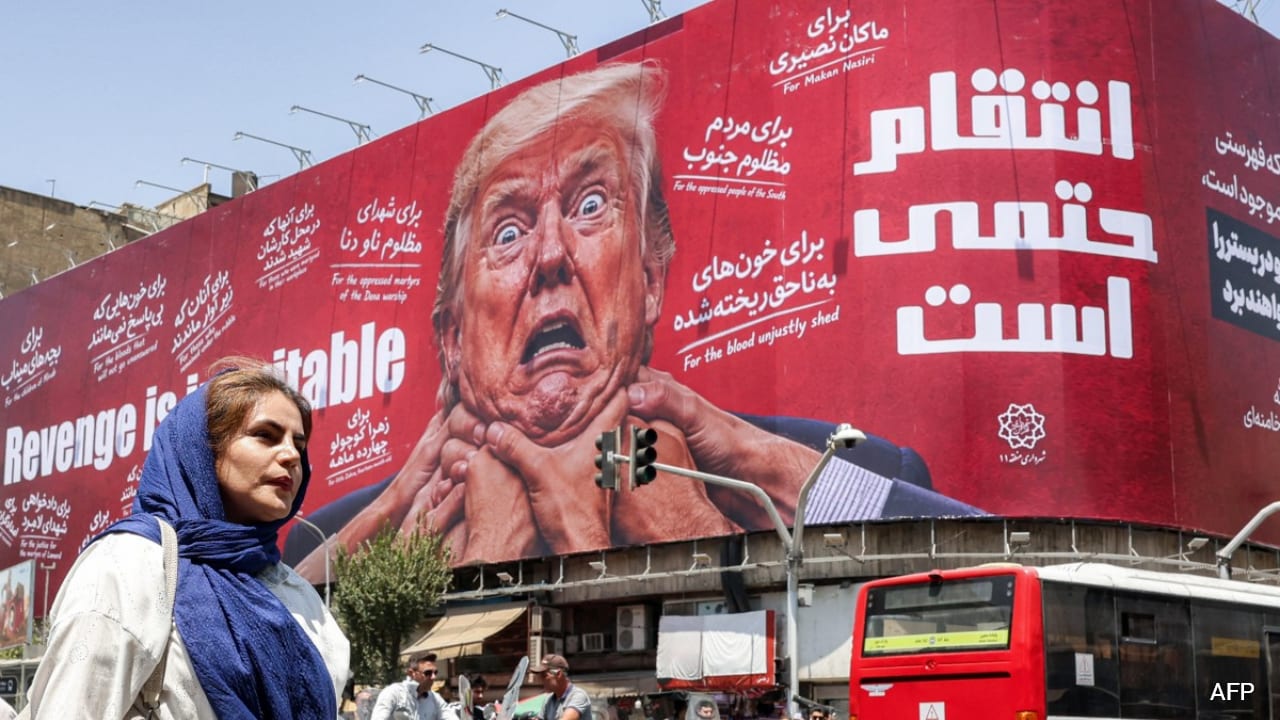
Iran Can't Trust US? Ex-President Warns Against Prolonged War; Pushes For Diplomacy With Washington
This video highlights recent commentary surrounding calls for diplomatic engagement amid mounting regional tensions and economic strain.
http://googleusercontent.com/youtube_content/1