If you've been watching global shipping lately, you know the Strait of Hormuz usually grabs all the headlines. It’s the classic bogeyman of energy markets. But right now, the real nightmare for the global economy is unfolding at a different narrow stretch of water. The Bab el-Mandab Strait, or the "Gate of Tears," is lived up to its name. If this chokepoint stays as volatile as it’s been over the last year, the stuff in your shopping cart is about to get a lot more expensive.
This isn't just about oil. It’s about everything. When a container ship can't pass through the Red Sea, it doesn’t just wait around. It takes the long way. We're talking about a 4,000-mile detour around the Cape of Good Hope. That adds ten days of travel and millions in fuel costs. You’re already seeing the ripple effects in your Amazon delivery times and the price of milk.
The Geography of a Global Chokepoint
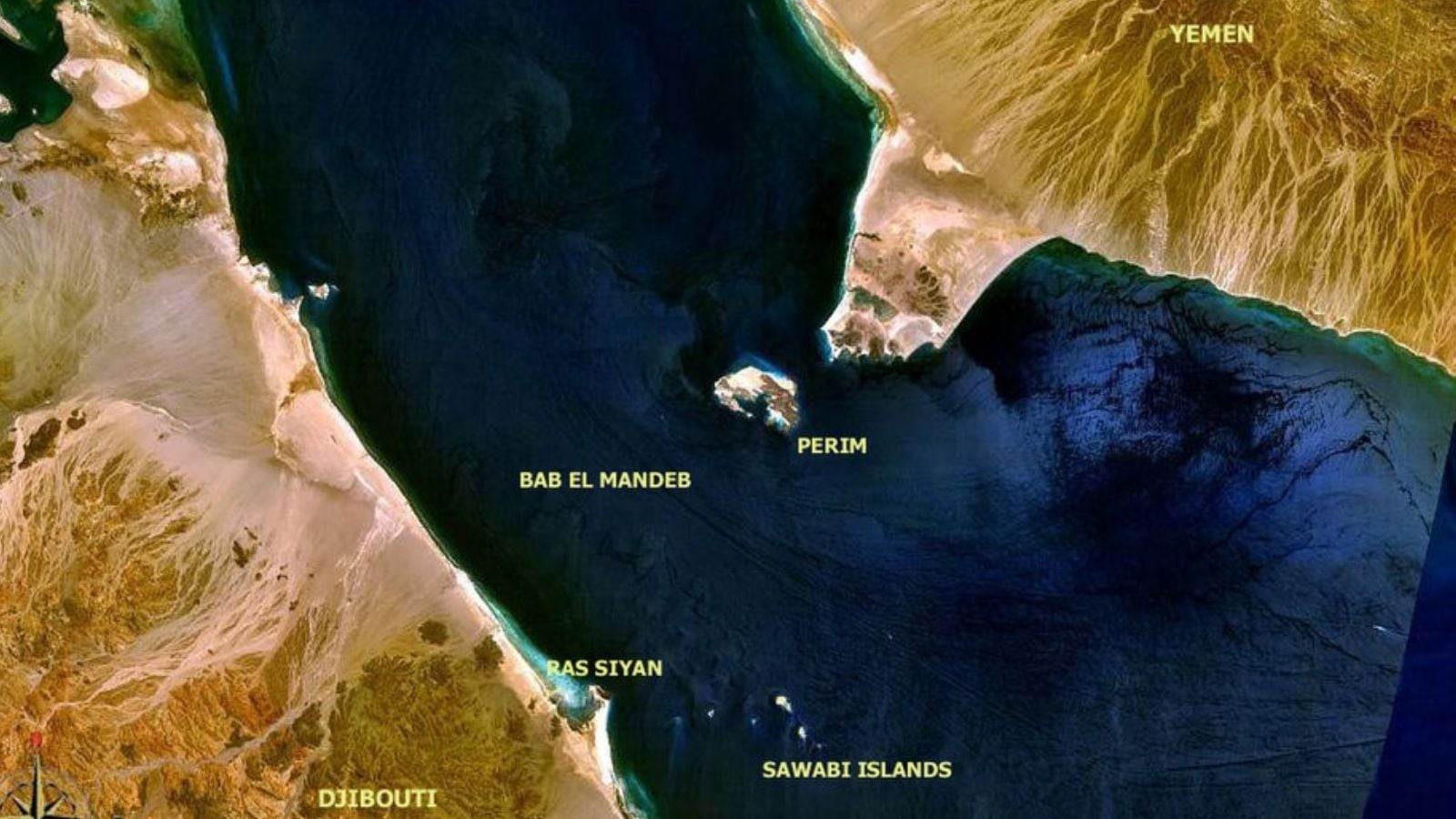
The Bab el-Mandab is a tiny neck of water between Djibouti and Yemen. At its narrowest, it’s only 18 miles wide. That’s basically the distance of a long morning commute. Yet, through this tiny gap flows nearly 12% of all global seaborne trade. It’s the southern entrance to the Red Sea, leading straight to the Suez Canal.
Without this passage, the maritime link between Asia and Europe breaks. I’ve seen analysts try to downplay this by saying we can just fly goods over, but that’s nonsense. Air freight is way too expensive for the sheer volume of grain, electronics, and raw materials we move daily. Most of the world’s trade happens on water because it’s efficient. When the Gate of Tears closes, efficiency dies.
Why This Isn't Just Another Middle East Skirmish
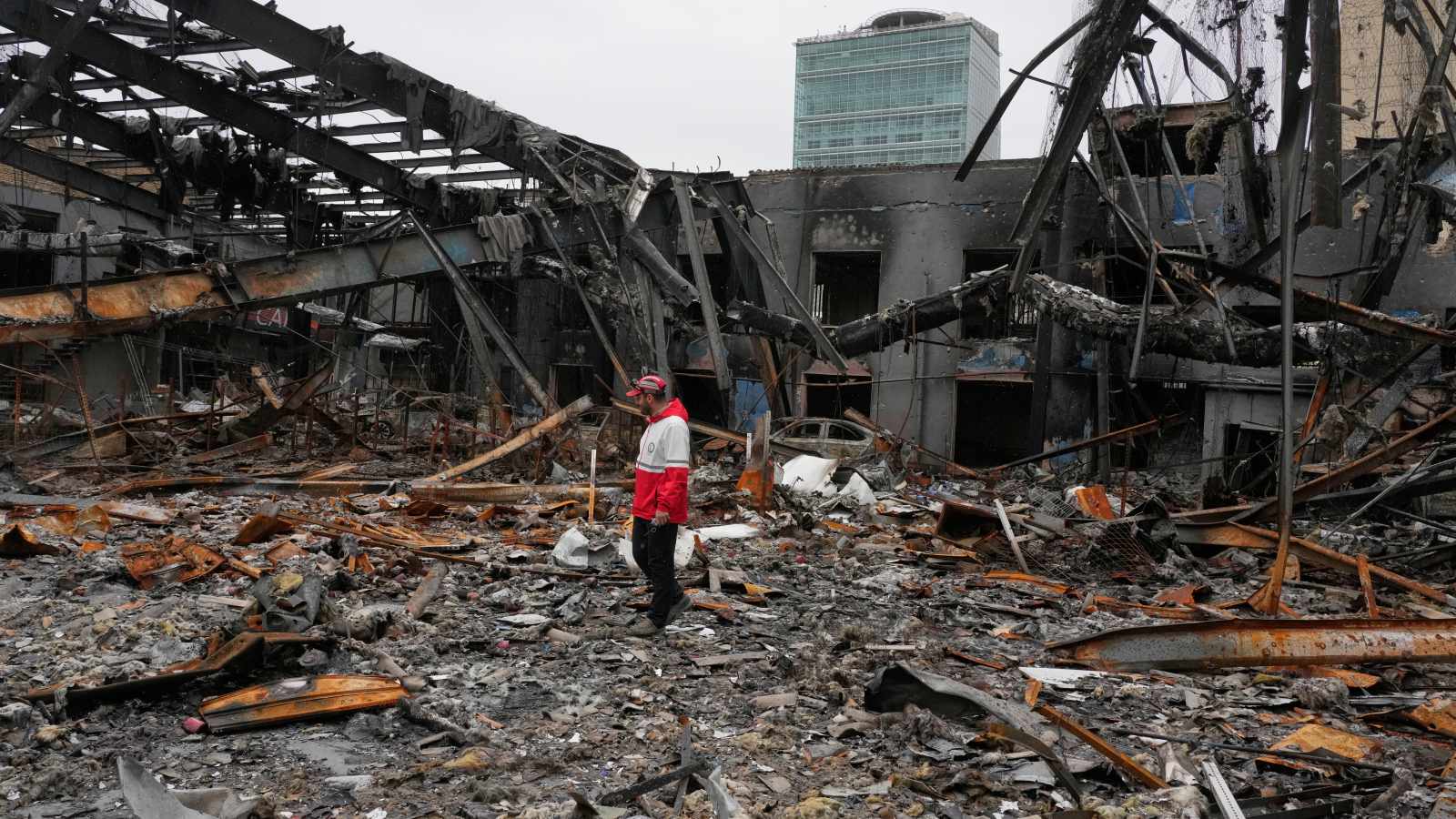
In the past, these disruptions were short. A ship would get stuck, or a local militia would fire a few warning shots, and things would settle. This time feels different. The involvement of Houthi rebels in Yemen, backed by sophisticated drone technology, has changed the math. They aren't just using old RPGs anymore. They’re using anti-ship ballistic missiles.
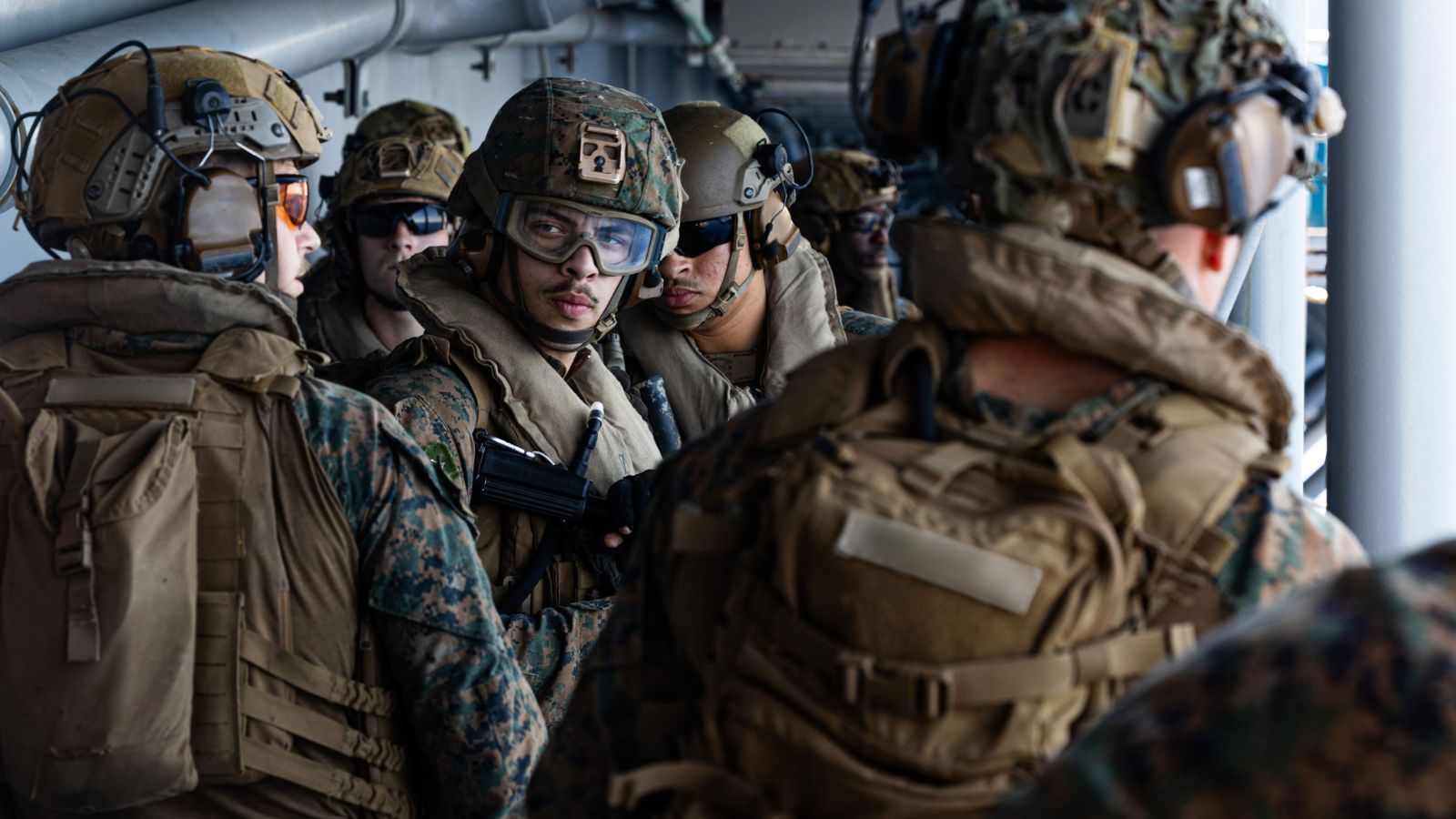
The U.S. Navy and its allies in Operation Prosperity Guardian are trying to play goalie, but it’s a losing game. A drone costs maybe $2,000 to make. The interceptor missiles used to knock them down cost millions. You don't need to be a math genius to see that the cost of defense is unsustainable. Shipping companies like Maersk and Hapag-Lloyd know this. They aren't risking a billion-dollar vessel and the lives of their crew for a gamble. They’re rerouting.
The Hidden Costs of Rerouting
Think about the sheer scale of a detour around Africa. It’s not just the extra fuel.
- Insurance Premiums: War risk insurance for ships entering the Red Sea has skyrocketed. Some insurers won't even touch vessels with certain flags anymore.
- Port Congestion: When ships take longer to arrive, they show up in "clumps." This overwhelms ports in Europe and Asia, leading to massive backlogs on the docks.
- Carbon Footprint: More fuel burned means more emissions. Companies trying to hit "green" targets are seeing their progress wiped out in weeks.
The Energy Trap No One Is Talking About
Everyone worries about the Strait of Hormuz because that’s where the crude oil is. But the Bab el-Mandab is the highway for Liquefied Natural Gas (LNG) heading to Europe. Since the shift away from Russian gas, Europe relies heavily on shipments from Qatar. If those tankers have to go around Africa, the heating bill in Berlin or Paris goes through the roof.
We saw this play out in early 2024 and again in 2025. When the strait gets hairy, energy prices spike globally, not just in the immediate region. It’s a domino effect. High energy costs lead to higher manufacturing costs. Higher manufacturing costs lead to—you guessed it—inflation that won't quit.
Djibouti is the New Geopolitical Ground Zero
While Yemen is the source of the fire, Djibouti is where the world is watching from. This tiny country has become a massive parking lot for foreign military bases. The U.S., China, France, and Japan all have outposts there. Why? Because they all know that whoever controls the view of the Bab el-Mandab controls the pulse of global trade.
It’s an awkward standoff. You have Chinese warships and U.S. destroyers basically sharing the same neighborhood, both worried about the same drones, yet barely speaking to each other. It’s a powder keg. One wrong move or a stray missile hitting a high-value target could turn a shipping crisis into a much larger conflict.
How to Protect Your Own Interests
You can't go out there and escort a tanker yourself. But you can stop pretending this won't affect you. If you’re a business owner, you need to look at your supply chain right now. Relying on "just-in-time" delivery from East Asia through the Suez Canal is a gamble that's no longer paying off.
Start looking at "near-shoring." Can you get your components from Mexico or Eastern Europe instead? It might cost more upfront, but it’s cheaper than having your inventory sit on a ship off the coast of South Africa for three weeks. Diversify your shipping partners. Don't put all your cargo on one line.
Watch the Baltic Dry Index and the Shanghai Containerized Freight Index. These aren't just numbers for Wall Street nerds. They're early warning systems for your own cost of living. When those indices climb, your margins shrink. Stay lean, stay liquid, and stop assuming the "Gate of Tears" will swing back open anytime soon. The era of cheap, predictable shipping is over for the foreseeable future. Get used to the detour.