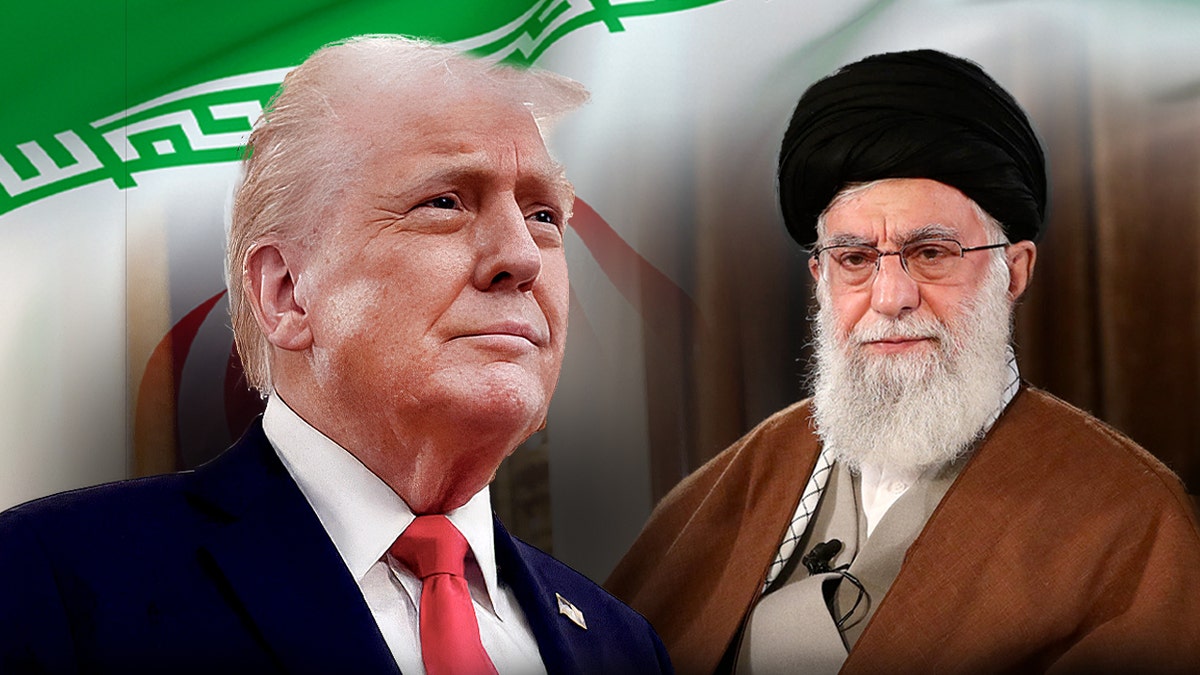
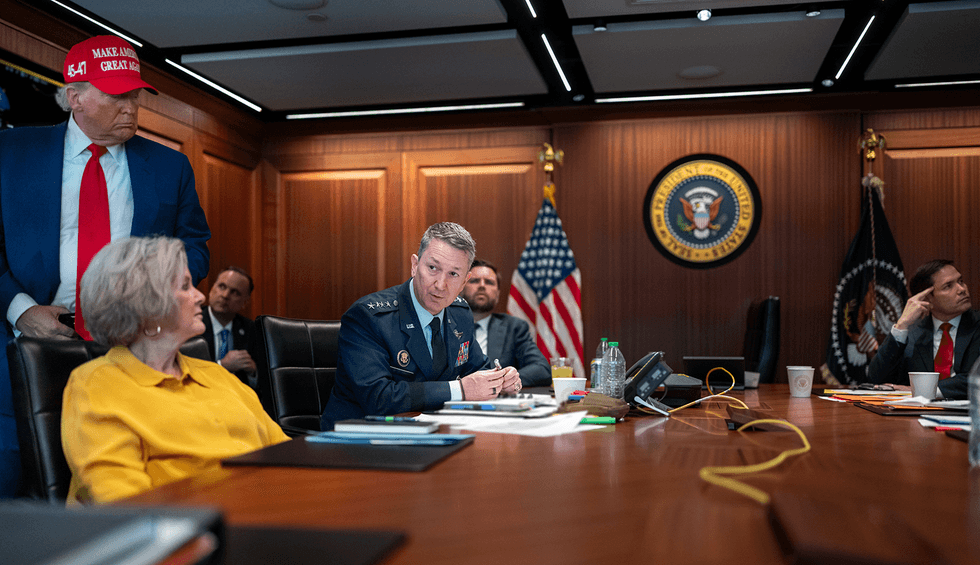
The five-day pause in United States airstrikes against Iranian energy infrastructure represents a calculated pivot from kinetic destruction to geoeconomic arbitrage. While public rhetoric from the Trump administration suggests an imminent "complete and total resolution," the underlying mechanics reveal a more complex state of strategic deadlock. The pause is not an olive branch; it is an operational recalibration designed to test the elasticity of the Iranian leadership’s resolve after 24 days of sustained bombardment.
The Triad of Coercion: Why the Pause Exists
The decision to postpone strikes on power plants and energy hubs functions through three distinct mechanisms of pressure.
- Asset Preservation as Leverage: By identifying specific targets—Iranian power plants—and then withholding fire, the U.S. transforms these assets into "hostage infrastructure." The value of the power plant to the Iranian regime is higher as a functioning unit under threat than as a smoking ruin. The five-day window forces Tehran to calculate the terminal cost of losing its national grid against the political cost of concessions.
- Market Volatility Management: Global energy markets have responded with extreme sensitivity, with Brent crude falling nearly 14% to $96 per barrel following the announcement. The administration is utilizing the pause to drain the "war premium" from oil prices, thereby reducing the global economic blowback of the conflict while simultaneously tightening the domestic squeeze on Iran's remaining revenue streams.
- Intelligence Verification Window: The reported incapacity of Supreme Leader Mojtaba Khamenei has created a command-and-control vacuum. The pause allows U.S. and Israeli intelligence to monitor internal communications during a period of relative calm to identify who is actually "running" Iran—a prerequisite for any enforceable treaty.
The Deadlock of Preconditions
The gap between U.S. demands and Iranian red lines remains mathematically significant. The U.S. strategy, coordinated through envoys Jared Kushner and Steve Witkoff, is built on a "Zero-Sum Security" framework where any deal must result in the total removal of Iran’s nuclear stockpile and long-range missile capabilities.
- The Nuclear Dust Objective: The administration has explicitly stated an intent to physically secure and remove enriched uranium. This is a departure from previous monitoring-based agreements (like the JCPOA) and moves into the territory of "active disarmament," a condition the Iranian Revolutionary Guard Corps (IRGC) views as a terminal threat to national sovereignty.
- The Hormuz Bottleneck: Iran’s blockade of the Strait of Hormuz remains the regime’s primary asymmetric counter-weight. While the U.S. demands an unconditional reopening, Iranian officials have signaled that the "pre-war status" of the Strait will never return. This creates a structural bottleneck: the U.S. cannot stop the war while the Strait is closed, and Iran cannot open the Strait without a guarantee that its energy infrastructure will not be targeted again.
Asymmetric Escalation and the Credibility Gap
Tehran’s official denial of direct talks serves two purposes: internal stability and external face-saving. For the IRGC, admitting to negotiations under the duress of a 24-day bombing campaign would signal a collapse of the "Resistance" ideology. Instead, they frame the U.S. pause as a "backing down" caused by Iranian counter-strikes, such as the recent long-range missile attempt on the Diego Garcia base.
This creates a high-risk information environment. If the "major points of agreement" claimed by Washington do not exist, the expiration of the five-day window will likely trigger an escalation phase that targets "deep-state" assets—the economic interests of the IRGC rather than just military hardware.
The Islamabad Channel and Mediation Mechanics
The shift toward Islamabad as a potential venue for direct talks indicates a transition from "shuttle diplomacy" (conducted via Oman and Egypt) to "proximity talks." Pakistan’s involvement is a strategic choice; it provides a land-linked, non-Western conduit that satisfies Iran’s requirement for a neutral yet regionally significant host.
However, the efficacy of this channel is limited by the "Principal-Agent Problem." The negotiators mentioned—such as representatives of the Iranian Foreign Ministry—may not have the authority to bypass the IRGC’s hardline stance on the nuclear program. If the "principals" (the military leadership in Tehran) do not sign off on the concessions discussed by the "agents" (the diplomats), the Islamabad talks will be a stalling tactic rather than a solution.
Strategic Recommendations
For global stakeholders, the next 96 hours are the critical "valuation window." The strategic play is to treat the five-day pause as a stress test for Iranian internal cohesion.
- For Corporate Entities: Maintain maximum hedge positions on energy. The industry's shift from "efficiency to resilience" suggests that even a deal will not immediately lower insurance premiums or restore shipping volumes to 2025 levels.
- For Regional Actors: Prepare for a "Binary Outcome." Either a sudden, high-intensity diplomatic breakthrough involving the physical transfer of nuclear material, or a rapid pivot to "Total Infrastructure War" if the Friday deadline passes without a verified Iranian commitment to reopen the Strait of Hormuz.
The U.S. administration’s next move will likely involve an ultimatum regarding the "nuclear dust": a demand for physical inspectors to verify the location of the stockpile before the five-day clock expires. This is the ultimate litmus test for whether Tehran is negotiating for peace or merely buying time to harden its defenses.
Would you like me to analyze the specific economic impact of the proposed 48-hour ultimatum on the Gulf Cooperation Council (GCC) markets?