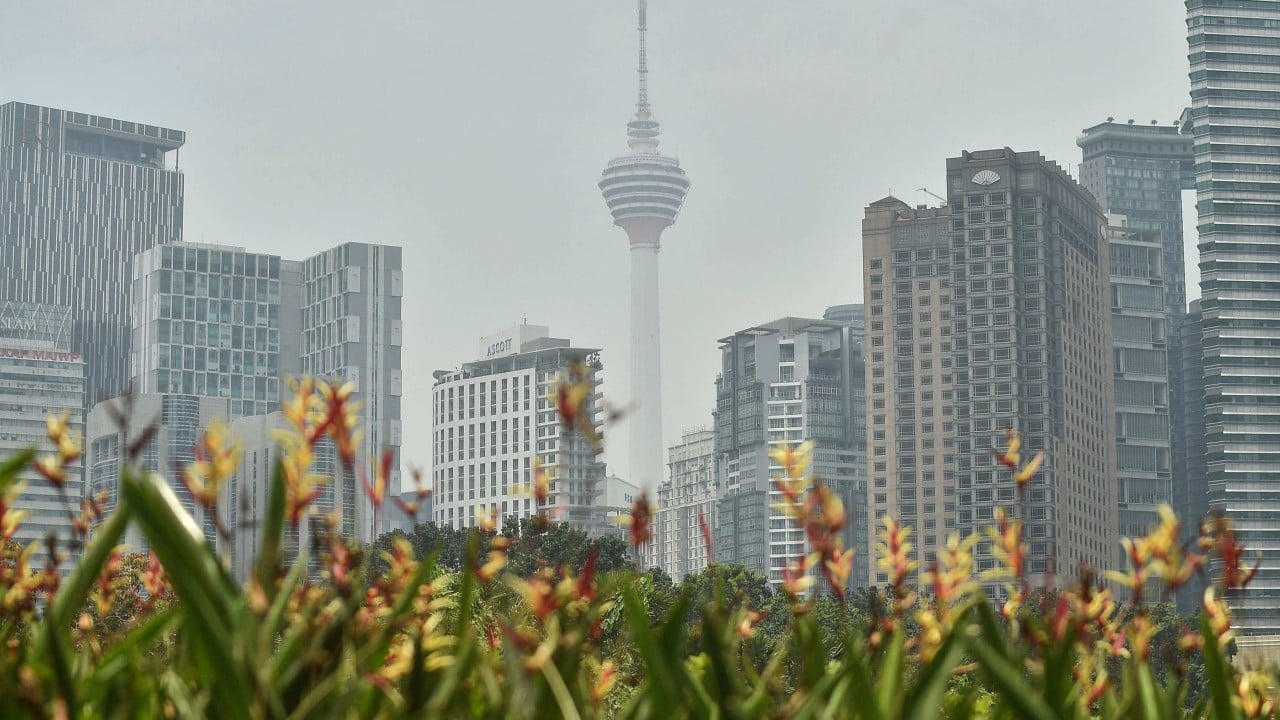
The air does not simply sit; it presses. It tastes of charred peat and burnt earth, an acrid ghost that slips beneath closed window frames and settles at the back of the throat.
Aisha wakes up before six, her seven-year-old daughter Sarah’s uniform already ironed and hanging on the wardrobe door. But Aisha is not listening for the alarm. She is checking her phone, scrolling through local municipal updates with a familiar, heavy dread.
The screen glows with the familiar, dispiriting verdict. Schools closed. Again.
In towns across Malaysia, this has become a seasonal ritual of uncertainty. The open, close, reopen cycle of haze season is more than an administrative headache; it is a psychological erosion. Parents scramble for childcare. Teachers rewrite lesson plans for the fourth time in a month. Children stare at blank walls, their classrooms locked against an invisible invader that turns the midday sun into a dim, bruised orange coin.
We call it haze. The word sounds almost mild, like a morning mist rolling off the hills. But this is no mist. This is particulate matter, measuring PM2.5, tiny fragments of carbon and ash small enough to bypass the body's natural defenses, slip deep into lung tissue, and enter the bloodstream.
Consider what happens inside a child's developing lungs when the Air Pollutant Index crosses into unhealthy territory. Breathing ceases to be an automatic, unconscious comfort. It becomes a low-grade strain.
For the families living through this, the frustration is not just about logistics. It is about a profound disruption to the rhythm of childhood. Education requires stability. It requires the physical coming-together of young minds in a shared space, the noise of the playground, the structured hours of the classroom. When the air turns toxic, that structure shatters.
The cyclical nature of the transboundary haze is rooted in agricultural burning across the region, a stubborn economic and environmental friction that defies easy diplomacy. Governments issue warnings. Neighbours point fingers. Meteorological agencies monitor wind directions with anxious precision, hoping for a monsoon shift to wash the skies clean.
Meanwhile, life down below pauses and stutters.
Aisha remembers her own childhood. Back then, a rainy day meant staying indoors. A smoky day meant something entirely different. It meant the metallic taste of dust in the mouth. It meant pulling wet fabric masks over little noses, though everyone knew the tiny gaps at the cheeks let the worst of it through anyway.
Now, her daughter faces the same sky.
The psychological toll on working parents is immense. When schools shut down on short notice, the modern economy does not automatically pause. Grandparents are called upon. Emergency leave is tapped out. Freelancers lose billable hours. The invisible economic cost of these sudden closures bleeds quietly into household budgets across the country.
Yet, the deeper loss is harder to measure. It is the steady accumulation of missed days, interrupted friendships, and the quiet realization for a generation of children that their environment is increasingly fragile.
There is no neat resolution to be found in a single policy or a sudden downpour. The wind will eventually change. The skies will clear to a sharp, brilliant blue. The classrooms will unlock, and desks will fill up again with the chatter of morning routines.
Until the next shift in the wind. Until the smoke returns from across the strait, turning the horizon grey and yellow, and forcing parents once more to look at their phones before they look at the sky.