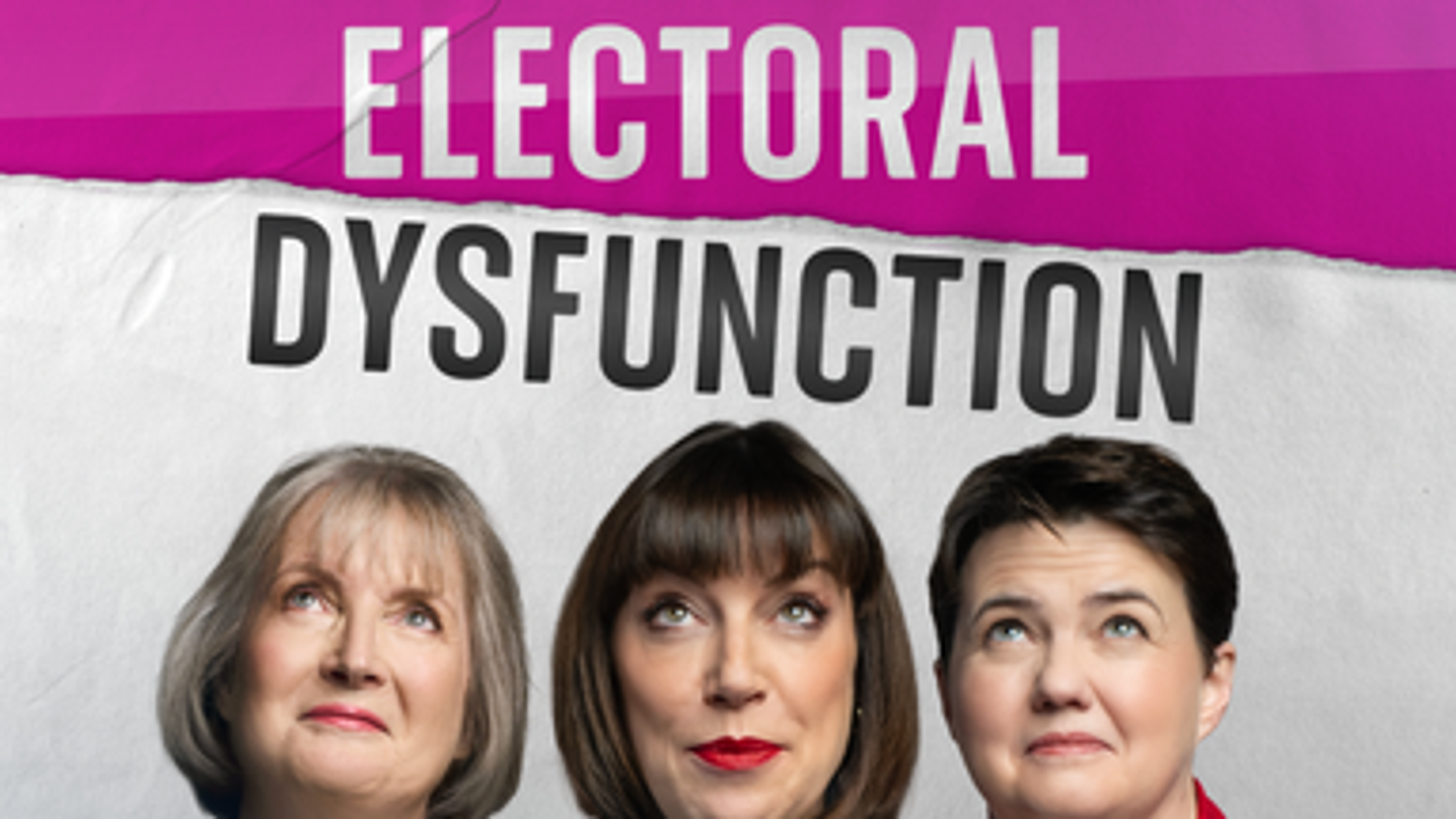
Andy Burnham is on the verge of walking into Downing Street without a single ballot cast by the wider Labour membership. This upcoming coronation has plenty of people uneasy, but the real storm brewing isn't just about party democracy. It's about who gets to sit in the room when the big decisions are made. For all the talk of a new era of politics, Labour's women are deeply worried they're about to be frozen out by a fresh version of the old boys' club.
The phrase "first female Labour Prime Minister" recently made the rounds in political circles, used as a cheeky description for Burnham because of his focus on health, care, and social infrastructure. It didn't go down well. Labour women found it insulting, and frankly, who can blame them? Having a man praised for having a supposedly female agenda while actual women are sidelined is a bad look for a party that claims to champion equality.
With Keir Starmer's exit and Burnham's swift transition from Greater Manchester Mayor to the MP for Makerfield, the scramble for cabinet positions is fully underway. The decisions Burnham makes over the next few weeks will show whether his version of Labour genuinely values female leadership or just views it as a useful campaign prop.
The Boys' Club Accusations That Won't Go Away
For months, senior women within Westminster have whispered about a toxic culture at the top of the party. The complaints are specific, heavy, and exhausting. Women ministers have found themselves targeted by coordinated, negative media leaks designed to undermine their authority.
Look at what happened to Yvette Cooper, Bridget Phillipson, and Louise Haigh. They didn't just face regular political opposition; they faced a steady drip of hostile briefings from colleagues within their own camp. When things get tough in Whitehall, it seems the default move for certain factions is to throw senior women under the bus to protect the men at the top.
Burnham tried to get ahead of this recently during a tense meeting with the women's parliamentary Labour party. He promised he would instantly sack any staff member caught briefing against female ministers. He said their feet wouldn't touch the floor. It's a nice line. It sounds decisive. But Westminster is built on anonymous text messages and quiet drinks in dark bars. Stopping that culture requires more than a tough-guy speech; it requires changing the actual balance of power.
The problem runs deeper than leaks. The structural misogyny within central government has left female MPs feeling completely isolated from core decision-making teams. The inner circle currently shaping Burnham's transition looks incredibly familiar. His chief of staff is James Purnell, a close friend and former cabinet colleague. Under Starmer, that specific role was shared by two women, Vidhya Alakeson and Jill Cuthbertson. Replacing a shared female leadership structure with a trusted male ally sends an immediate, clear signal about who holds the real keys to the castle.
What the 50/50 Demand Is Really About
Labour women aren't asking for polite consultations anymore. They've put their demands in writing. A formal letter sent to Burnham demands a strict 50/50 gender split across all ministerial and senior staff appointments. They also want a cast-iron guarantee that the role of Deputy Prime Minister goes to a woman.
This isn't about arbitrary quotas or hitting diversity targets to look good on a spreadsheet. It's a direct response to the way previous leadership teams operated. When the rooms where decisions happen are closed to women, governments develop massive blind spots. Policies on childcare, the gender pay gap, social care, and justice end up being designed by people who don't live those realities.
Take a look at the current frontrunners for the top jobs in a Burnham administration. We hear constant speculation about Ed Miliband, Wes Streeting, and tech-focused allies taking over the Treasury or foreign policy. If Rachel Reeves is moved or replaced as Chancellor by a man, the pressure on Burnham will become unbearable. You can't claim to lead a modern, progressive government if every single one of the great offices of state is held by a man wearing the same tie.
The High Stakes of the Shadow Cabinet Shuffle
The upcoming cabinet appointments will reveal the true nature of Burnham's political operation. The names currently floating around Westminster show just how difficult it will be to balance factional rewards with genuine representation.
The Return of Left-Wing Heavyweights
Angela Rayner is widely expected to return to a prominent position. Her departure from government last year over stamp duty issues left a massive void on the Labour left, but her subsequent clearance by HMRC means she's ready for a major comeback. Rayner has a massive personal mandate and a direct connection with working-class voters that Burnham desperately needs to maintain his insurgent image. Sidelining her would be a declaration of war against the party's traditional base.
Navigating the Starmer Overhang
Then there's the question of what to do with the women who survived, or were damaged by, the previous administration. Shabana Mahmood has held a firm line as Home Secretary, pushing immigration policies that Team Burnham might want to keep to protect their right flank while they pursue more left-leaning domestic reforms. Keeping Mahmood in place, or promoting Yvette Cooper, would show a commitment to stability. Replacing them with male allies would look like a purge.
The Outer Circle Campaigners
Some of Burnham's most effective campaigners during his recent Makerfield run were women like Anneliese Midgley. They know how to build campaigns and win votes outside the Westminster bubble. If these figures are kept in secondary, organizing roles while the policy-making jobs go to the traditional London network, the frustration among female MPs will boil over.
The Northern Power Alternative
There is a strange irony here. While Westminster looks like a closed shop, Burnham's successful time in Greater Manchester was heavily supported by a completely different network of women.
Groups like We Are Power, led by Simone Roche, have spent a decade building a massive community of independent, self-starting female leaders across the North of England. These are women running businesses, managing public services, and driving local economies without waiting for permission from London.
During his time as Mayor, Burnham frequently praised this network. He stood on their stages and backed their policy recommendations. These northern leaders are fiercely independent and entirely apolitical. They don't want jobs in government, but they want their voices to mean something when regional policy is written.
The real test for Burnham is whether he can import that northern energy into the stale environment of Whitehall. In the North, gender equality isn't treated as an abstract policy debate; it's linked directly to economic survival, regional transport, and local skills training. If Burnham defaults to the standard Westminster recruitment pool, he will cut himself off from the very people who gave him his political identity as the King of the North.
Actionable Steps for the New Administration
If Burnham wants to prove the skeptics wrong, he needs to take immediate action on day one. Polite statements and promises to be better won't cut it anymore.
First, he must formally accept the 50/50 ministerial pledge. This means ensuring that women hold half of all senior cabinet positions, including at least two of the traditional great offices of state.
Second, the promised crackdown on anonymous briefings needs a clear mechanism. An independent process must be set up within Number 10 to investigate leaks that target individual ministers. If a staff member is found to have leaked hostile personal stories, they must be dismissed immediately, without exception.
Third, the newly proposed No 10 North office in Manchester must not become a secondary outpost for minor announcements. It needs to be led by senior female policymakers who have a direct line to the Prime Minister and the power to override Whitehall departments on regional spending.
The transition from a regional mayor to Prime Minister is incredibly difficult. It requires building alliances quickly and rewarding the people who helped you get there. But if Andy Burnham builds his new government by relying purely on an old network of male friends, his premiership will be damaged before it even begins. The women of the Labour party are watching, they're organized, and they aren't going to settle for leftovers.