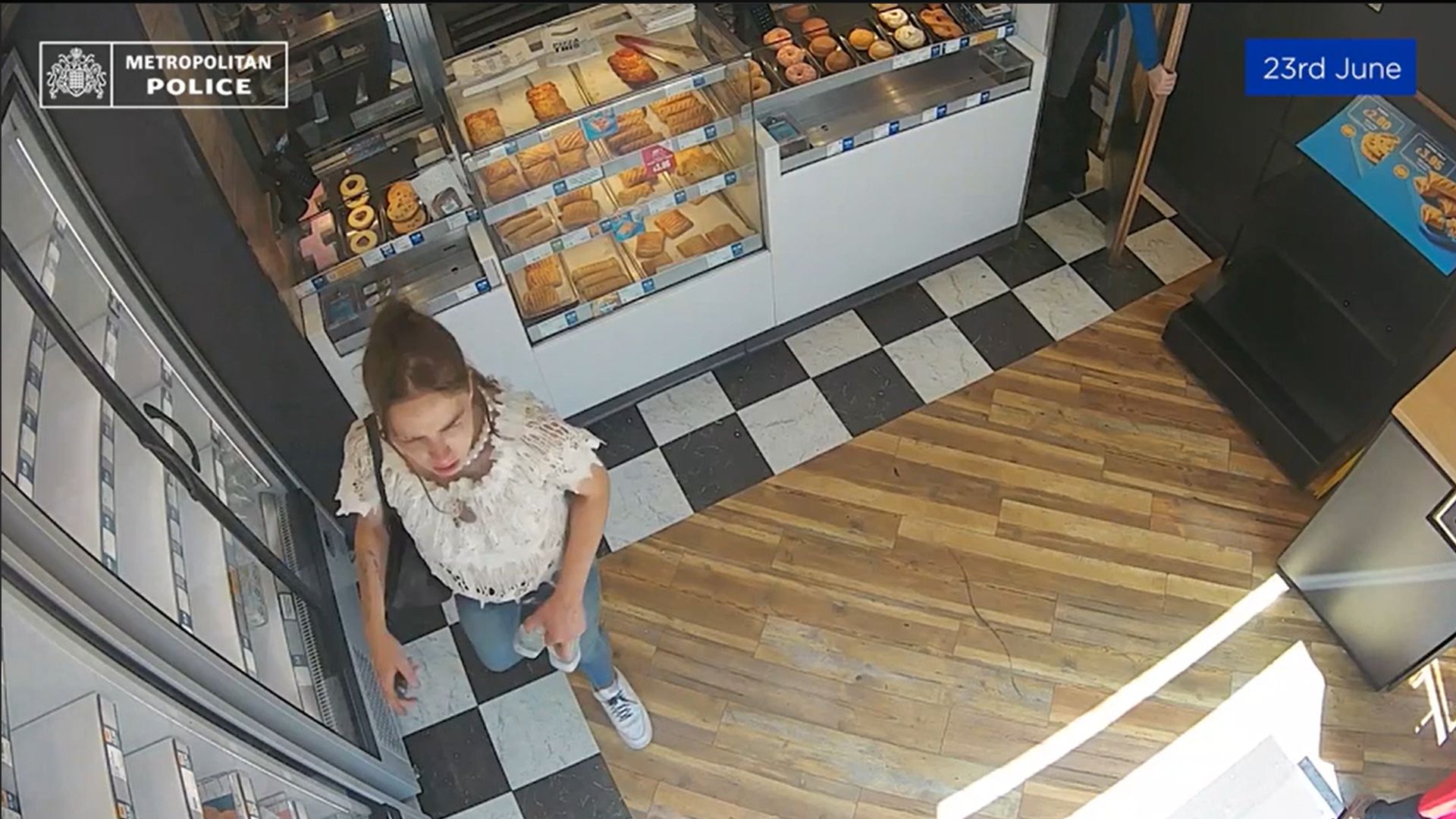
Walk into almost any British high street bakery during the morning rush and you'll notice the same thing. Open-fronted fridges sit right near the exit, stocked with bottled drinks, juices, and iced coffees, while staff focus on the queue at the hot counter. That exact setup allowed one woman to repeatedly walk out of a single Greggs branch with roughly £2,000 worth of drinks—and still avoid a prison cell.
Most people read a headline like "Woman who stole £2k worth of drinks from one Greggs store avoids prison" and immediately assume the British justice system has lost its grip. It sounds absurd on paper. Two thousand pounds isn't a forgotten meal deal or a moment of desperation over a sausage roll. That's hundreds of bottles taken over repeated visits from a single shop. Yet when you look closely at how UK sentencing guidelines, retail theft laws, and rehabilitation orders actually work, the court's decision makes far more sense than the outrage suggests.
Let's break down what actually happens in cases like this, why judges hesitate to hand out immediate custodial sentences for repeat high-street shoplifting, and what this reveals about the crisis facing UK retailers right now.
How Someone Steals £2,000 in Drinks From One Store
You don't steal £2,000 worth of soft drinks in a single afternoon unless you're backing a transit van through the front window. Greggs bottles typically retail between £1.35 and £2.50. Even at the higher end of their range, £2,000 represents somewhere around 800 to 1,400 individual items.
That tells you immediately this wasn't a one-off incident. It was a pattern of repeated, low-friction thefts from the exact same branch over weeks or months.
Retailers call this "grazing" or serial bulk shoplifting, and it's become the defining headache for UK high streets. Unlike high-value electronics stores where goods sit behind glass or carry magnetic tags, food-to-go outlets rely entirely on speed and convenience. Customers expect to grab a cold drink from an unguarded chiller near the door, pay at the till, and leave within sixty seconds.
Store staff aren't hired or trained to act as security guards. In fact, almost every major UK retail chain—including Greggs, Tesco, and Sainsbury's—explicitly instructs floor staff not to physically intervene when someone walks out without paying. The liability and risk of violence far outweigh the wholesale cost of a few bottles of orange juice or iced latte.
So what happens instead?
- Staff log the incident on an internal reporting system.
- Managers pull timestamps from CCTV cameras covering the entrance and drink chillers.
- Evidence gets bundled together over time until the cumulative value crosses a threshold that prompts police action.
This bundling strategy explains why you frequently see court reports involving a single offender stealing thousands of pounds of mundane items from one specific location. Police forces often struggle to respond to individual £15 thefts in real time, so stores build a dossier. Once the total hits four figures, the case carries enough weight to land in a magistrates' court.
Why She Avoided Prison Under UK Sentencing Guidelines
Here's where public perception clashes hard with legal reality. When a defendant pleads guilty to serial shoplifting totaling £2,000, the public expects handcuffs and a jail cell. Magistrates and judges, however, don't sentence based on headline shock value. They follow strict statutory rules set by the Sentencing Council for England and Wales.
Under the Sentencing Council's guidelines for theft from a shop or stall, £2,000 falls squarely into the lower-to-middle harm brackets—specifically Category 3 or Category 2 depending on the exact impact on the business. Even when repeat offending pushes culpability higher, immediate custody is treated as a last resort rather than a default outcome.
Several legal factors routinely keep repeat shoplifters out of prison in the UK:
- The presumption against short custodial sentences. UK courts actively try to avoid sending offenders to prison for periods under six or twelve months. Short jail terms disrupt housing, sever ties with addiction or mental health support, and produce notoriously high reoffending rates compared to community supervision.
- Early guilty pleas. Under Section 144 of the Criminal Justice Act 2003, pleading guilty at the first opportunity entitles a defendant to a mandatory one-third reduction in sentence severity. That single factor frequently drops a borderline custodial sentence down into a suspended sentence or a community order.
- Underlying addiction or vulnerability. Serial theft of easily resold items—like branded drinks, meat, coffee jars, or laundry detergent—is overwhelmingly linked to substance dependency or acute financial hardship. Courts look closely at pre-sentence reports from the Probation Service. If a probation officer argues that a Drug Rehabilitation Requirement or mental health treatment will stop the thefts better than six weeks in prison, magistrates usually listen.
- Severe prison overcrowding. Across England and Wales, prison capacity has hovered near 99% for months. Judges are explicitly reminded to consider current custodial pressures when deciding whether a non-violent property offender truly needs a prison bed.
Avoiding prison doesn't mean walking away scot-free, though. A suspended sentence hangs over the offender's head for up to two years—meaning one more stolen bottle triggers the jail term automatically. Courts also routinely attach unpaid work hours, curfews, rehabilitation days, and criminal behaviour orders banning the person from entering specific stores or entire town centres.
Why Steal Bottles of Drink Instead of Cash or Electronics
If you've never worked in retail loss prevention, stealing £2,000 worth of soft drinks seems bizarre. Why take the risk for items worth a couple of pounds each?
Because drinks are liquid currency on the street.
Unlike designer clothes with security ink tags or phones that get IMEI-blocked, a sealed bottle of Coca-Cola, Lucozade, or bottled water is completely untraceable. There are no serial numbers. Nobody asks where a cold drink came from.
In towns and cities across Britain, stolen drinks and food items get sold quickly at steep discounts—sometimes to unscrupulous independent corner shops, sometimes to local takeaways, and often directly to passersby in pubs or on the street for half the retail price. If an offender needs £30 or £40 quickly, clearing out two shelves of bottled drinks from an unguarded Greggs fridge takes less than ten seconds and requires zero tools.
Greggs is particularly vulnerable to this because of its store footprint. The bakery chain operates over 2,400 shops across the UK, many located inside busy transport hubs, high streets, and retail parks with multiple exit points and heavy foot traffic. High volume provides natural cover. When thirty people are crammed around a counter waiting for steak bakes, nobody watches the fridge by the front door.
The Bigger Picture Behind UK Retail Crime Numbers
This single Greggs case isn't an anomaly. It sits right inside a massive surge in recorded shoplifting across England and Wales.
According to data from the Office for National Statistics (ONS), police-recorded shoplifting offences surged past 400,000 incidents in a single 12-month period—the highest figure since records began twenty years ago. Meanwhile, the British Retail Consortium (BRC) estimates that customer theft costs UK retailers upwards of £1.8 billion annually, with businesses spending hundreds of millions more on CCTV upgrades, body-worn cameras, and private security guards.
Yet despite record numbers, retail groups regularly criticise the gap between reported crimes and meaningful consequences. When a prolific offender targets the same branch twenty or thirty times before facing a magistrate, store managers feel abandoned.
At the same time, criminal justice experts point out that locking up low-level thieves for eight weeks costs the taxpayer roughly £50,000 per year per prisoner—twenty-five times the value of the stolen Greggs drinks—and rarely stops them from stealing again the week they get released.
What Actually Stops Serial High-Street Shoplifting
When retailers and courts finally manage to break a cycle of repeat theft from a single store, it rarely comes down to one dramatic arrest. It takes a combination of store-level friction and targeted legal restrictions.
- Store layout changes. Retailers hit hardest by drink and food theft are quietly redesigning entrances. Moving open chillers deeper inside the store, away from the immediate exit doorway, forces thieves to walk past staff and checkout queues twice. That simple shift cuts opportunistic grab-and-run thefts dramatically.
- Criminal Behaviour Orders (CBOs). Unlike a standard fine that an unemployed offender can't pay anyway, a CBO makes simply stepping foot inside a named Greggs branch—or a designated high-street zone—a separate arrestable offence. Police don't have to catch the person stealing again; just crossing the threshold breaches the order.
- Direct intelligence sharing. Schemes like Shopwatch and national platforms such as Auror allow neighbouring stores to share CCTV images and incident logs instantly. When Greggs, Boots, and the local supermarket link their reports together, police see the full scale of an offender's activity across an entire town rather than treating each shop in isolation.
- Court-mandated treatment orders. Where addiction drives the thefts, structured supervision combined with regular court reviews has a much stronger track record than short-term prison stints.
If you run a small retail business or manage a high-street branch dealing with repeat walk-out thefts, stop treating each incident as a standalone loss. Log every single occurrence with exact timestamps, preserve the CCTV footage immediately before it overwrites, and calculate the cumulative retail value across every visit. Join your local Business Crime Reduction Partnership so your reports connect with neighbouring shops, and push for a Criminal Behaviour Order through your local police liaison once a pattern is established. Courts rarely jail someone over a single stolen drink, but a documented, multi-incident dossier forces real intervention.