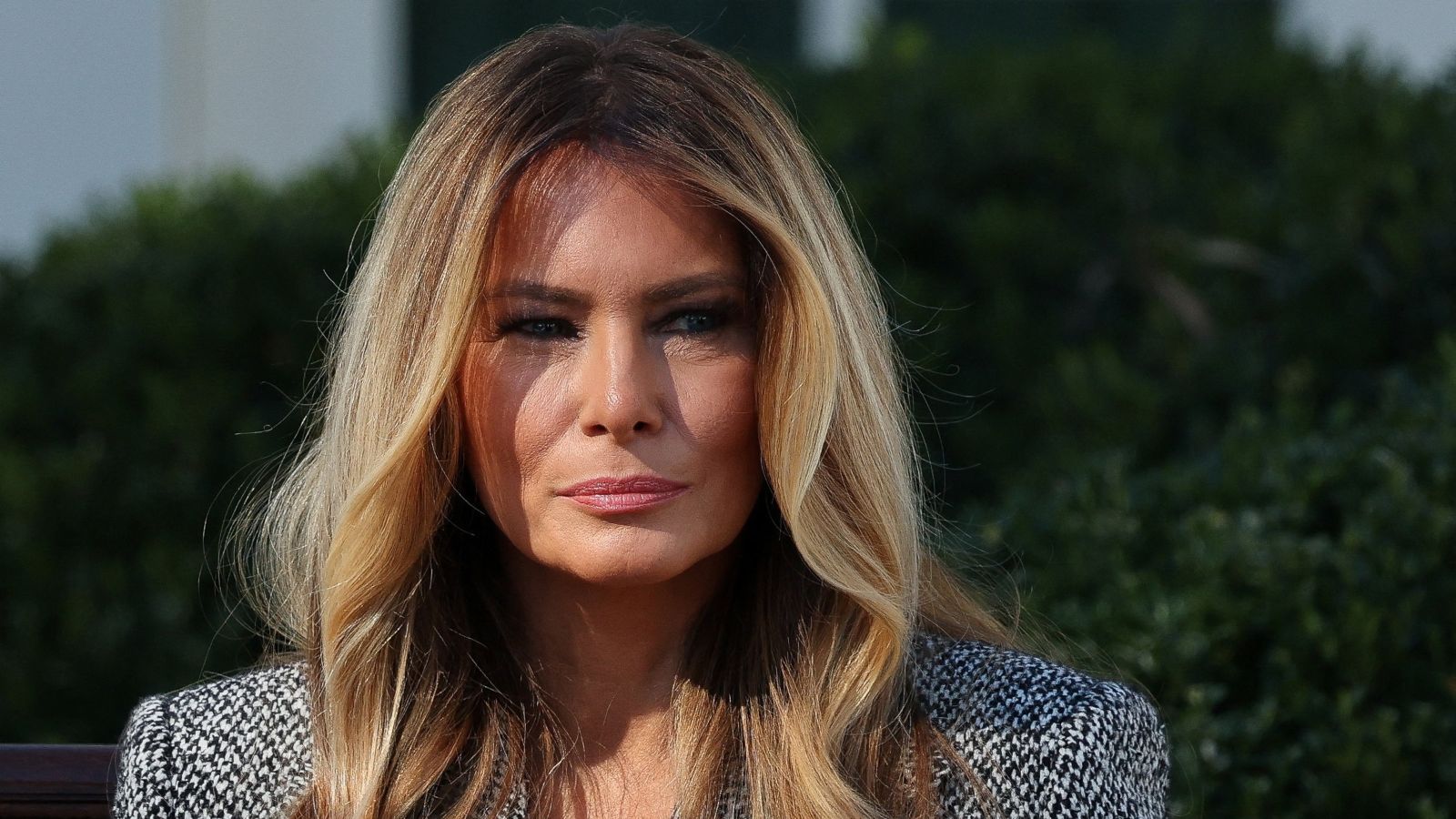
When the White House announced that First Lady Melania Trump had personally brokered a localized ceasefire in the Russian-occupied city of Oleshky, the political establishment treated the headline as a surreal PR stunt. It was easy to write off. A former fashion model back-channeling between Moscow and Kyiv sounded like back-room theater designed to burnish an administration facing midterm pressure.
That initial assessment missed the actual mechanics of what happened.
The temporary halt in shelling across the Dnipro River wasn't an anomaly. It was a proof of concept for a transactional, low-exposure model of diplomacy that bypasses traditional national security apparatuses entirely. While career diplomats spent two years trapped in institutional paralysis, a localized humanitarian corridor opened up in one of the most heavily fortified zones on the planet, enabling the evacuation of 800 civilians from a city devastated by the 2023 Kakhovka Dam breach.
       TRADITIONAL STATECRAFT                     TRANSACTIONAL BACK-CHANNEL
  ┌───────────────────────────────┐           ┌────────────────────────────────┐
  │ Institutional Leverage        │           │ Singular Humanitarian Target   │
  │ Grand Bilateral Frameworks    │           │ Asymmetric Negotiators         │
  │ Public Sanctions & Demands    │     VS    │ Off-Grid Back-Channel Access   │
  │ High Political Risk / Stasis  │           │ Low State Risk / Fast Execution│
  └───────────────────────────────┘           └────────────────────────────────┘
Understanding how this localized truce worked reveals a sharp shift in modern conflict resolution: statecraft is increasingly being outsourced to non-traditional actors who operate outside formal foreign policy channels.
The Infrastructure of an Off-Grid Truce
Oleshky was a nightmare scenario for military logisticians. Positioned on the left bank of the Dnipro River in Kherson, the town sat directly on the contact line. Deprived of heat, running water, and electricity since early in the full-scale invasion, its remaining residents were pinned down by artillery shelling, minefields, and persistent drone sweeps. State-level negotiations for humanitarian relief had repeatedly collapsed because neither side was willing to concede tactical advantages along the riverbank.
The breakthrough did not happen through the State Department or the National Security Council. It began at a side event during the U.N. General Assembly, where informal channels were established between the Office of the First Lady, Ukrainian Ombudsman Dmytro Lubinets, and Russian negotiators.
By decoupling humanitarian logistics from broader territorial claims, negotiators stripped away the grand political posturing that halts conventional summits.
| Feature | State Department Protocol | Oleshky Back-Channel |
|---|---|---|
| Primary Actors | Career Diplomats & Defense Officials | First Lady's Office & Ombudsmen |
| Scope | Regional/National Ceasefires | Single Coordinates (City-Specific) |
| Leverage Used | Sanctions, Arms Deals & Alliances | Public Optics & Humanitarian Capital |
| Verification | International Observers (U.N./OSCE) | Embedded Media & Bilateral Teams |
Russia agreed to the corridor not out of sudden benevolence, but because the arrangement carried zero strategic cost while offering a massive propaganda victory. Moscow could showcase compliance with international humanitarian standards to global audiences without ceding an inch of occupied ground. Kyiv accepted the terms because the operational reality on the ground in Kherson was dire, and saving 800 lives outweighed the discomfort of participating in an unscripted diplomatic stage.
Why Unconventional Actors Are Filling the Diplomatic Void
Foreign policy institutions are built for structural negotiations, not tactical agility. When official channels freeze due to rigid preconditions—such as demands for complete troop withdrawals or permanent territorial concessions—back-channels become the only viable vector for movement.
This approach succeeds by exploiting a fundamental reality of modern geopolitics: leaders of authoritarian states often prefer dealing with high-profile personal envoys rather than formal diplomatic corps.
Direct channels to executive power allow autocratic regimes to negotiate without the friction of congressional oversight, parliamentary debates, or bureaucratic delays. When letters passed directly between Washington, Moscow, and Kyiv, they bypassed the multi-tier vetting processes that usually stall diplomatic communications for weeks.
[UN General Assembly Contact]
             │
             ▼
┌───────────────────────────┐
│ Office of the First Lady  │
└─────────────┬─────────────┘
              │
      ┌───────┴───────┐
      ▼               ▼
┌───────────┐   ┌───────────┐
│  Kyiv     │   │  Moscow   │
│ (Lubinets)│   │(Lantratova│
└─────┬─────┘   └─────┬─────┘
      │               │
      └───────┬───────┘
              ▼
 ┌─────────────────────────┐
 │   Localized Ceasefire   │
 │   & Evacuation Zone     │
 └─────────────────────────┘
The approach is not without real friction. Critics point out that micro-ceasefires risk sanitizing an ongoing occupation. By allowing a adversary to grant selective humanitarian relief, international focus shifts away from systemic violations toward temporary relief operations.
Furthermore, relying on personal prestige rather than institutional frameworks leaves these agreements vulnerable. If the key figure steps away, the channel instantly collapses.
The Risk of Fragmented Diplomacy
The success in Oleshky highlights a growing trend where foreign policy is broken down into modular, single-issue transactions. Child reunifications, prisoner swaps, and localized evacuations are handled as isolated trades rather than components of a comprehensive peace treaty.
While this model yields immediate, measurable humanitarian results, it creates a fragmented strategic landscape.
Military commanders on the ground face operational headaches when sudden political truces halt artillery grids or drone coverage in specific sectors. Meanwhile, conventional allies worry that parallel diplomatic tracks undermine unified bargaining positions. When high-level proxies establish direct lines to foreign capitals, standard intelligence and defense frameworks are left playing catch-up.
The video below demonstrates how tactical evacuations and localized truces operate on the ground in frontline environments.
The Shift in Conflict Resolution
The Oleshky corridor proved that localized humanitarian agreements can hold even when broader peace talks remain entirely deadlocked. It demonstrated that non-state actors operating with executive backing can achieve micro-level breakthroughs where traditional institutions fail.
Yet treating these isolated tactical wins as templates for ending complex international conflicts remains a dangerous assumption. Micro-truces manage the symptoms of war; they do not resolve the structural territorial and political disputes that cause them.
When the photo-ops end and the media teams pack up, the fundamental question remains: does back-channel diplomacy build the foundation for lasting peace, or does it simply grant state actors a convenient safety valve to prolong a war of attrition?



