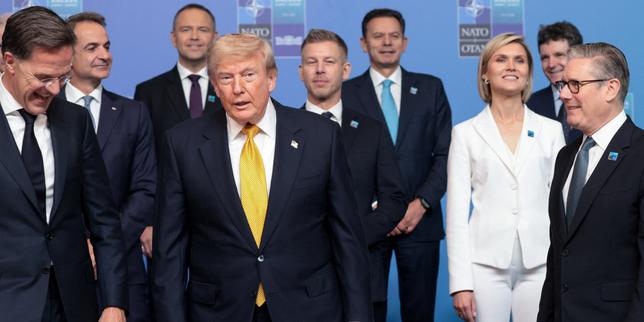
The air inside the secure briefing room at the NATO summit smelled of stale coffee and expensive wool. For three days, European diplomats had been adjusting their ties, checking their secure phones, and trying to read the lines on one man’s face. To understand modern geopolitics, you cannot just look at treaties. You have to look at the eyes of the people who sign them when the cameras turn off.
A senior eastern European envoy, who spent thirty years watching Soviet tanks and then Russian cyberattacks threaten his homeland, sat in the corner of the plenary hall. His hands were steady, but his notepad was filled with chaotic scribbles. He had spent the morning listening to Donald Trump.
One moment, the American president was a thunderstorm. The next, he was the sun breaking through the clouds. This is the reality of the new Atlantic alliance: a high-stakes psychological game where security is negotiated not just through budgets, but through temperament.
The Theater of Power
Outside the glass pavilion, the world looked fragile. Inside, it felt like a theater. The French delegation sat stiffly, their faces frozen in expressions of polite endurance. The Germans huddled in quiet, intense groups, calculating defense spending percentages on the backs of agendas.
Trump entered the room with the deliberate cadence of a man who knows everyone is waiting for his first line. He did not begin with the traditional language of mutual assurance. He began with a ledger.
For decades, NATO summits were predictable affairs. Diplomats argued over commas in communiqués, signed the documents, and smiled for a group photo. Not anymore. The American president reminded the room, in terms that felt more like a boardroom showdown than an international council, that the United States was tired of carrying the financial burden. He mentioned numbers. He mentioned specific countries. The tension in the room did not just rise; it solidified.
Then came the pivot.
Just as the collective breath of the room was holding, the tone shifted. The threats of American withdrawal softened into reassurances of ironclad loyalty. He praised the strategic importance of the alliance. He spoke of shared victories. It was a masterclass in tension and release, leaving seasoned statesmen wondering if they had just been threatened or embraced.
The View from the Border
To understand why this performance matters, you have to leave the carpeted halls of the summit and travel two thousand miles east, to a small town outside Kharkiv, Ukraine.
Imagine a woman named Olena. She is not a politician. She does not read NATO communiqués. But she knows the exact sound a 152mm artillery shell makes when it tears through the morning sky. For Olena, and millions like her, the rhetorical shifts in Washington are not a game of strategy. They are a matter of whether her roof stays intact through the winter.
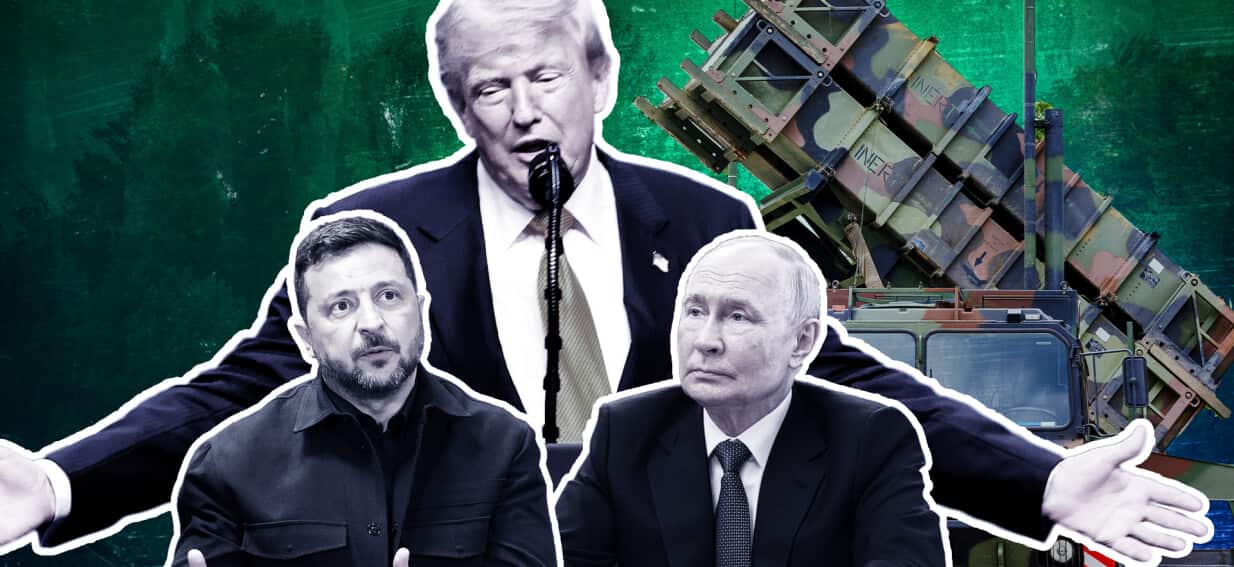
During the summit, the announcement came through: a fresh wave of American support, new commitments of air defense systems, and a promise that the pipeline of aid would not dry up. When the news reached the front lines, the relief was palpable, but it was a cautious kind of relief.
The paradox of the summit was glaring. The same leader who had spent months questioning the utility of foreign aid was now signing off on a package that would keep Ukrainian artillery firing. It revealed a fundamental truth about modern American foreign policy: the rhetoric may be unpredictable, but the institutional momentum of support remains remarkably durable.
The Cost of Uncertainty
Alliances are built on predictability. If a nation believes its neighbor will defend it, it invests in schools, infrastructure, and technology. If that belief wavers, resources shift to survival.
The true impact of this summit was not the final dollar amount pledged to Ukraine, nor was it the specific defense spending targets agreed upon by Western Europe. It was the institutionalization of uncertainty. By alternating between fierce criticism and passionate defense of NATO, Trump has forced Europe to confront its own dependency.
The diplomatic corps left the summit with their briefcases packed and their heads spinning. They had secured the promises they came for—the defense guarantees were reaffirmed, and the vital lifeline to Kyiv was extended. Yet, nobody was celebrating.
The eastern European envoy closed his notepad and walked out into the cool evening air. The alliance had held, stronger on paper than it had been the week before. But as the motorcades sped away into the twilight, the lingering feeling in the corridors was not one of triumph. It was the quiet realization that the future of global security no longer rests on permanent treaties, but on the shifting winds of political will.