California and Washington are quietly constructing an interstate carbon market linkage that will reshape industrial compliance across the Western United5 States. This alliance bridges two distinct cap-and-trade systems, creating a massive unified regulatory bloc designed to accelerate pollution reduction while generating billions of dollars in state auction revenues. For years, critics dismissed regional carbon trading as a regional regulatory parlor game plagued by administrative friction and volatile allowance prices. This new alignment changes the baseline entirely.
The Mechanics of Alignment
Building a joint compliance market across state lines requires far more than a handshake between governors. California operates the Western Climate Initiative market alongside Quebec, while Washington launched its standalone cap-and-invest program under the Climate Commitment Act. Merging these distinct frameworks involves harmonizing allowance prices, aligning emission reduction targets, and bridging structural discrepancies in how industrial sectors account for greenhouse gases.
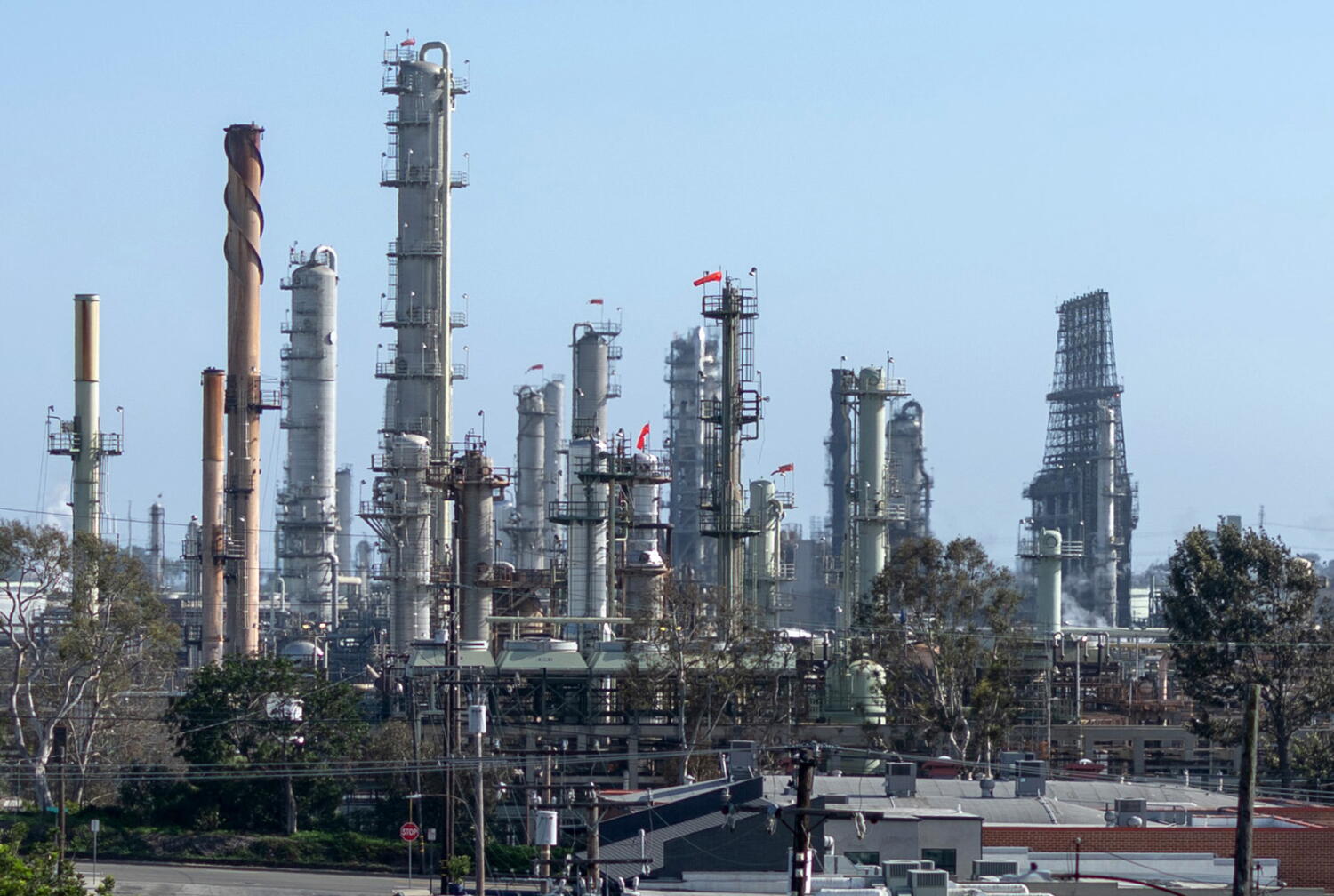
The financial stakes are immense. Washington's initial auctions faced heavy political pushback driven by fuel price spikes, leading to an initiative battle over the program's survival. By tying its market to California's larger, more mature liquidity pool, Washington aims to stabilize allowance price volatility. Large emitters in both states will soon bid into a shared pool of compliance instruments, altering the economics of refinery operations, heavy manufacturing, and commercial transport fuel supply chains.
Yet, technical integration is fraught with friction. California's market features a price ceiling and floor that adjust dynamically, while Washington's program was built with distinct statutory guardrails designed to protect rate payers and rural communities from excessive compliance costs. Harmonizing these rules demands months of bureaucratic negotiation, legal review, and public rulemaking procedures that leave compliance officers guessing about future marginal abatement costs.
Who Pays the Bill
Industrial compliance rarely translates to corporate altruism. Refiners, utilities, and major manufacturers pass regulatory overhead down the supply chain, converting state carbon auctions into an indirect consumption tax on fuel, electricity, and freight. When allowance prices climb in a linked market, retail gasoline prices and home heating bills absorb the shock.
Proponents argue that this economic pressure forces capital allocation away from fossil fuels and toward clean technology deployment. The billions generated through quarterly allowance auctions flow directly into state treasuries, earmarked for transit expansion, low-income weatherization, and environmental justice projects in overburdened zip codes. Critics counter that these revenues function as a regressive tax, disproportionately burdening working-class commuters who lack access to electric vehicles or robust public transit networks.
The political vulnerability of carbon markets lies in this exact tension. When allowance prices surge unexpectedly—as Washington witnessed during early auction cycles—public backlash threatens the entire legislative architecture. Linking with California introduces a broader liquidity pool, which theoretically dampens extreme price spikes, but it also exposes Washington's industrial base to market dynamics driven by California's aggressive regulatory timelines.
The Geopolitical Ripple Effect
Beyond state borders, this Western compact establishes a de facto regional standard that bypasses federal inaction. While Congress remains gridlocked on national carbon pricing, state-level linkage creates a powerful economic bloc. Companies operating across multiple states find it increasingly difficult to maintain separate compliance strategies for different jurisdictions, effectively forcing national corporations to adopt West Coast environmental standards nationwide.
Other states with active or proposed climate policies are watching closely. If California and Washington successfully execute this market merger without triggering economic rebellion or protracted litigation, jurisdictions in the Northeast's Regional Greenhouse Gas Initiative or international partners may seek integration. The long-term trajectory points toward a fragmented mosaic of regional carbon markets slowly consolidating into larger, high-liquidity compliance ecosystems.
Success is far from guaranteed. Legal challenges from industry groups, cross-border disputes over revenue allocation, and potential legislative interference remain persistent threats. The market will test whether administrative integration can survive political volatility, or if the friction of combining two distinct political economies will fracture the alliance before it achieves its fiscal and environmental goals.


