The turf at BC Place does not forgive. In November, when the air outside turns gray and damp, the stadium floor feels less like a playing surface and more like an altar. Every yard gained is an argument against gravity. Every tackle is a physical negotiation of worth.
For the BC Lions, this autumn has been less about a smooth ascent and more about survival. Football is a sport of brutal arithmetic. Wins, losses, point differentials, and playoff seeding form an unfeeling ledger. Yet beneath the numbers lies a softer, more frantic truth. The human heart beats just as fast inside a shoulder pad as it does anywhere else.
Imagine standing on the sideline with three minutes left on the clock and the season slipping through your fingers. You can hear the hum of the crowd, but it sounds distant, like wind through pine trees. Your lungs burn. Your knees ache with the accumulated fatigue of twenty weeks of collisions.
This is the reality of the Canadian Football League West semifinal. It is not just a game. It is a referendum on months of sweat, sacrifice, and quiet doubt.
The journey here was never linear. Teams do not simply arrive at postseason play by pressing a button. They stumble. They reinvent themselves after injuries tear through the roster. They look inward after a blowout loss on a rainy Thursday night. Momentum, that most elusive and mythical substance in sports, is rarely found. It is forged. It is beaten into shape on Tuesday mornings when the lights in the practice facility buzz overhead and nobody is watching.
Coaches talk about execution. They draw diagrams on whiteboards with black dry-erase markers, mapping out blocking schemes and passing lanes as if human beings were chess pieces. But human beings are messy. They get nervous. They miss assignments because a newborn kept them awake for three straight nights. They make brilliant, instinctive plays because instinct is what remains when the playbook evaporates into chaos.
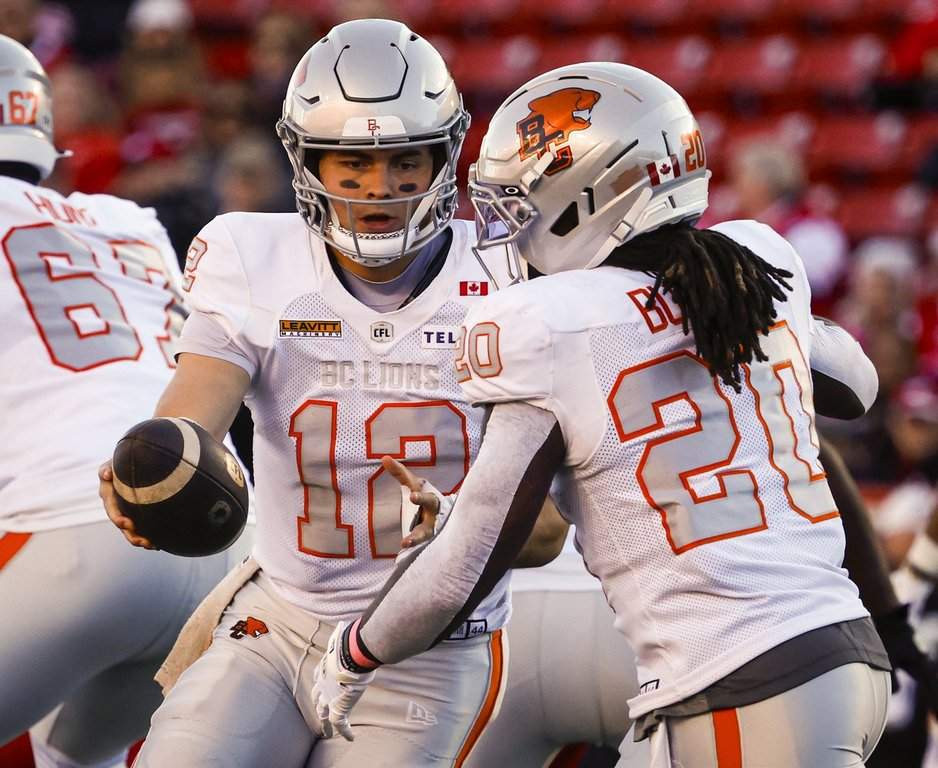
Consider the quarterback standing behind center. His arm is his livelihood, but his mind is his battlefield. Every defensive coordinator in the league has spent seventy-two hours dissecting his habits, watching game film until their eyes water. They know which shoulder he favors when pressured. They know his cadence.
To succeed under those conditions requires a strange combination of arrogance and vulnerability. You must believe you can thread a football through a six-inch window between two linebackers who want nothing more than to separate your ribs from your spine. At the same time, you must accept that one misread can turn a hero into a scapegoat before tomorrow morning's headlines hit the screen.
The stakes in the West semifinal are magnified by the geography of Canadian football. The season is short, unforgivingly so. Eighteen regular-season games leave little margin for error. A slow start in June can poison an entire October. When a team manages to claw its way into the postseason picture despite turbulence, the collective exhale is palpable. But relief is a dangerous emotion in sports. Relief makes you soft. Edge keeps you alive.
In the locker room before kickoff, the noise fades. Veterans pull their tape tight around their wrists. Rookies stare blankly at their lockers, wondering if the speed of the game will finally overwhelm them. In these moments, leadership is not about grand speeches from Hollywood scripts. It is a quiet word, a firm pat on the back, a shared glance that says I trust you.
The opening whistle shatters the silence.
Football is a game of violent inches. The line of scrimmage is a physical borderland where twenty-two men collide with the force of minor car crashes on every single snap. When a running back hits the hole, he is not thinking about statistics or playoff momentum. He is thinking about the defender's hip angle. He is lowering his center of gravity, driving his thighs, and fighting for every blade of grass.
This is where the narrative of the season meets its climax. The regular-season struggles—the dropped passes, the missed field goals, the defensive breakdowns in the fourth quarter—dissolve into the immediate present. None of that matters now. Only the next play exists.
As the game stretches into the second half, fatigue settles into the muscles like lead. The crowd noise rises and falls like an ocean tide. Every possession feels heavy with consequence. A dropped interception here, a missed block there, and the entire narrative of a year's labor vanishes into the Vancouver night.
Win or lose, the men walking off that field will carry the weight of this night into the long winter months. But tonight, there is still time on the clock. There is still grass beneath their cleats. And there is still the fierce, beautiful hope that they can write a different ending than the one everyone expects.