History does not always arrive with the roar of cannon fire or the crumbling of masonry. Sometimes, it slips in through the amber glow of a television screen, carried by the low, measured draw of an American politician assessing a centuries-old institution from a distant shore.
Distance distorts everything. Across the Atlantic, the drama of a fractured royal family reads like a high-stakes soap opera, complete with gilded coaches, whispered grievances, and sudden exiles. But proximity changes the texture of the conflict. To stand inside the traditions of Windsor or Buckingham is to understand that the architecture of monarchy is built entirely on invisible mortar: protocol, unbroken lineage, and an absolute, unyielding reverence for the crown.
When public figures weigh in from the outside, they often miss the subtle mechanics of that machinery. Yet, Donald Trump’s recent remarks cut straight to a fault line that continues to tremble beneath the surface of British public life. He voiced a sentiment shared by many traditionalists: a quiet satisfaction that the Duke and Duchess of Sussex chose to build their lives across the sea, paired with a sharp critique of Meghan Markle’s perceived posture toward the late Queen Elizabeth II.
Disrespect in royal circles is not merely a matter of bruised feelings. It is an operational failure.
To grasp why these dynamics still captivate and infuriate millions, one must step back into the cool, stone-silent halls where modern history is staged. Think of the late Queen not merely as a matriarch, but as a human anchor holding together a floating world through decades of seismic social change. For seventy years, her primary currency was restraint. She did not tweet. She did not grant tell-all interviews to prime-time hosts. She simply stood, handbag over her arm, absorbing the shocks of a turbulent century with a stoic, almost terrifying consistency.
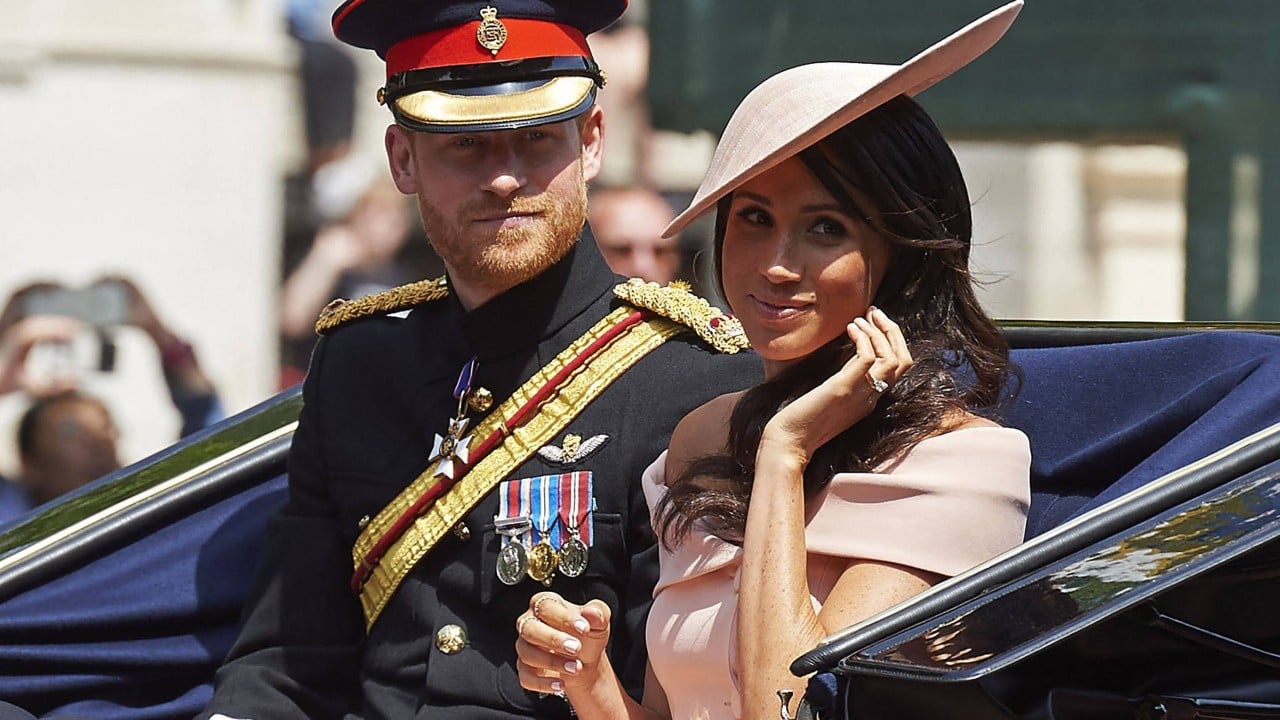
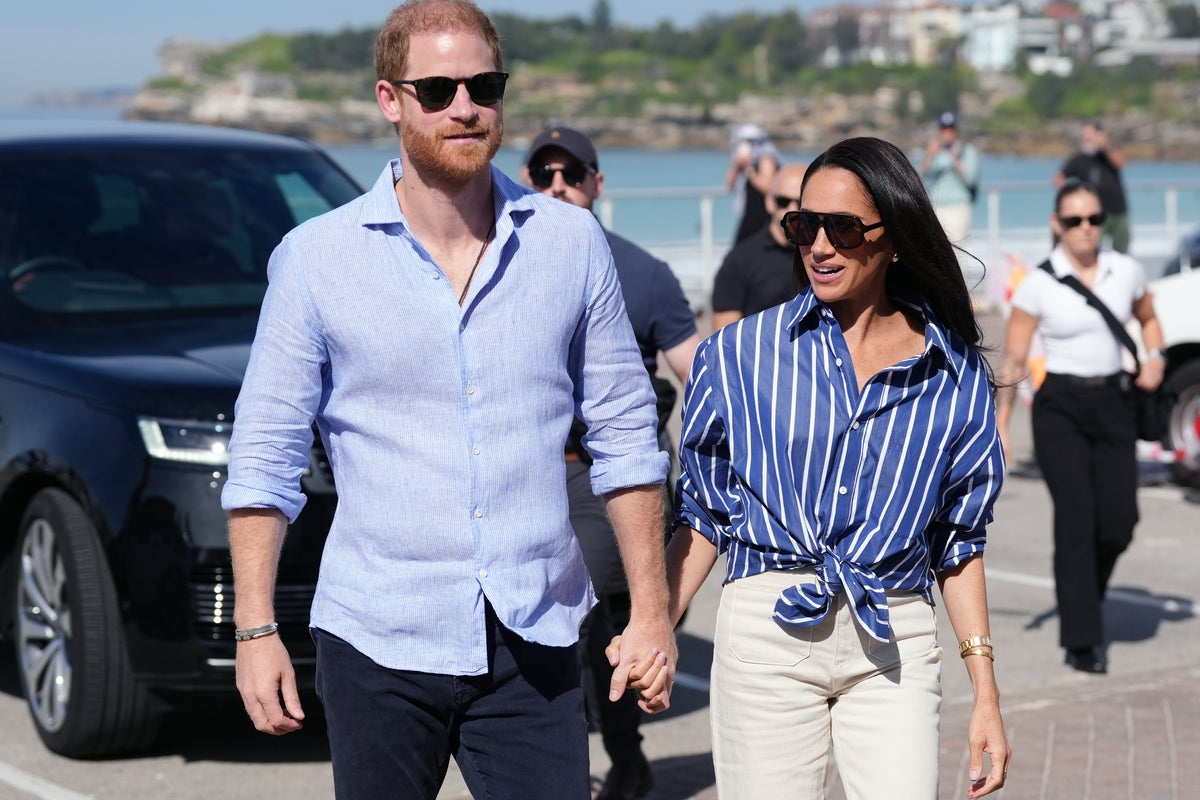
When Prince Harry and Meghan stepped back from their official duties in 2020, seeking privacy and financial independence in California, they did not just change their address. They ruptured a contract. In the eyes of the establishment, and the millions who view the crown as an emotional stabilizer, stepping away meant stepping out of bounds. Subsequent interviews, documentaries, and memoirs only widened the chasm, transforming a private family dispute into a global ideological proxy war.
Trump’s commentary taps directly into this friction. By expressing happiness that the couple returned their focus to the United States while simultaneously blasting Meghan for what he viewed as a lack of deference toward the Queen, he channels a very specific brand of conservative populism that revere traditional hierarchies. It is a perspective that views institutional duty as sacred, superior to individual fulfillment.
But reality is rarely neat.
Consider the alternative perspective, one rooted in the modern American ethos of self-determination. From this viewpoint, staying within a rigid, hyper-scrutinized system that reportedly took a severe toll on mental health is not noble; it is self-destructive. Choosing freedom over a gilded cage is seen not as an act of betrayal, but as a necessary act of survival. Two entirely different moral universes, colliding in real-time across digital screens.
This is where the narrative moves beyond mere gossip. It becomes a reflection of our current cultural moment. We are all caught between the weight of what was and the pull of what could be. We watch public figures navigate these choices because we are constantly negotiating them in our own lives. Do we stay loyal to the family, the company, the tradition that built us, even if it stifles us? Or do we break away, accept the exile, and build something entirely new, even if the world calls us ungrateful?
The irony, of course, is that neither side can truly escape the other. The Sussexes live thousands of miles away in the sun-drenched canyons of Montecito, yet their brand remains inextricably bound to the very institution they fled. Every headline, every public appearance, and every political commentary from figures like Trump proves that you can cross an ocean, but you cannot outrun your own shadow.
The crown endures because it absorbs these collisions. Monarchies survive not by being flawless, but by serving as a permanent canvas upon which society projects its deepest anxieties about duty, family, and power. Queen Elizabeth understood this better than anyone. She remained a fixture while prime ministers came and went, while empires receded, and while her own family tree twisted and broke in public view.
As the dust settles on yet another round of commentary from the sidelines, the core tension remains untouched. A royal family trying to modernize without losing its soul. A couple trying to forge a modern identity while tethered to an ancient past. And an observing public, forever divided on whether the ultimate virtue is to endure the crown, or to put it down and walk away into the dark.
The television screen goes black. The room returns to silence. Somewhere out there, across the restless Atlantic, the wind continues to blow through the gates of Windsor, whispering of things that refuse to change.