Diplomacy in protracted attrition warfare rarely functions as a mechanism for immediate conflict resolution; instead, combatants frequently deploy negotiation frameworks as temporal buffers to synchronize military operations with seasonal environmental constraints. When European Union officials accuse Moscow of deliberately stalling peace negotiations to target Ukrainian energy infrastructure ahead of winter, they are identifying a classic intersection of coercive diplomacy and thermodynamic warfare. Analyzing this dynamic requires stripping away diplomatic rhetoric to examine the underlying operational mechanics: how negotiating delays buy time for munitions stockpiling, why electrical grids serve as high-multiplier targets during sub-zero temperatures, and how winter weather alters the cost-benefit calculus of both defense and offense.
The Mechanics of Diplomatic Delay as an Operational Buffer
In military strategy, time is an asymmetric resource. A party facing immediate operational bottlenecks or awaiting seasonal shifts benefits from prolonging diplomatic engagement without committing to binding concessions. This approach relies on procedural friction—disputing negotiation formats, demanding preconditions that violate an adversary's sovereign red lines, or shifting representation levels—to keep diplomatic channels nominally open while kinetic preparations continue uninterrupted. Don't forget to check out our previous coverage on this related article.
Three primary functions define the use of stalled negotiations in this context:
- Munitions Accumulation and Industrial Synchronization: Long-range strike campaigns against hardened infrastructure require high volumes of precision-guided munitions, ballistic missiles, and one-way attack drones. Maintaining a diplomatic posture signals potential de-escalation to external observers, which can slow the urgency of Western air-defense deliveries while domestic missile production lines accumulate inventory for concentrated saturation attacks.
- Exploiting Western Political Decision Cycles: Democratic coalitions operate on consensus-based funding and procurement timelines. Ambiguity regarding Moscow's willingness to negotiate introduces friction into European and North American legislative debates, delaying the authorization of supplemental aid packages or long-range strike permissions until seasonal degradation of the battlefield has already occurred.
- Establishing Pre-Negotiation Leverage: Under the theory of coercive bargaining, a state delays settlement until it can inflict maximum marginal pain on the adversary, thereby forcing the opponent to accept worse terms at the table than they would have accepted prior to the campaign.
The limitation of diplomatic stalling is diminishing marginal returns. Once international interlocutors recognize a pattern of bad-faith procedural delays, diplomatic credibility erodes entirely, often triggering the exact unified sanctions or weapons transfers the stalling was designed to prevent. To read more about the history here, TIME offers an excellent breakdown.
Thermodynamic Warfare and Grid Vulnerability
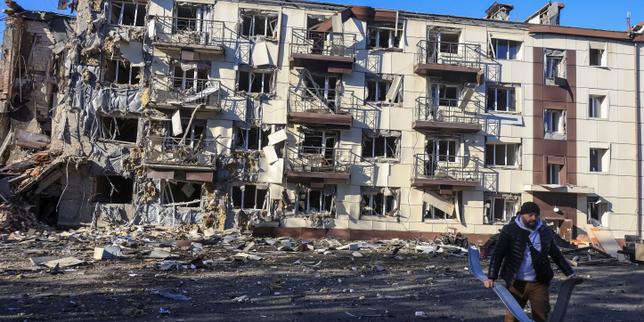
Targeting power plants as temperatures drop is not merely an effort to degrade civilian morale; it is a calculated effort to collapse the thermodynamic viability of urban centers and industrial hubs. Modern electrical grids operate on a strict real-time balance between generation and load, governed by frequency stability. Unlike discrete military targets, a national power grid is an interconnected network where localized destruction cascades across regions.
When strike campaigns target energy infrastructure ahead of winter, the operational focus typically shifts across three distinct layers of the grid:
- Thermal and Hydroelectric Generation Capacity: Power plants housing heavy turbines and boilers represent high-value, immobile targets. Destroying a major thermal generation unit removes hundreds of megawatts of baseload power that cannot be replaced within a single winter season due to the multi-year manufacturing lead times for custom heavy industrial turbines.
- High-Voltage Transmission Substations: Autotransformers that step down high-voltage electricity for local distribution are critical single points of failure. Because Ukraine's grid historically operated on Soviet-standard 750-kilovolt and 330-kilovolt infrastructure, replacement transformers are scarce globally, creating severe supply-chain bottlenecks when substations are destroyed.
- Combined Heat and Power (CHP) Systems: In post-Soviet urban architecture, district heating relies on centralized CHP plants that pump hot water through municipal pipe networks. If electrical power fails during sustained freezing temperatures, water circulation stops. Without active drainage or heat, municipal water pipes freeze and rupture, transforming a temporary power outage into months-long structural uninhabitability across entire residential districts.
The Strategic Cost Function of Air Defense Attrition
The timing of energy strikes ahead of winter directly targets the mathematical asymmetry of air defense economics. Defending a sprawling national grid against coordinated waves of cheap loitering munitions and high-speed ballistic missiles forces the defender into an unfavorable exchange ratio.
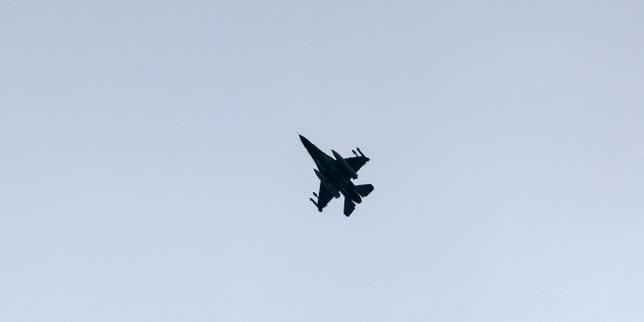
An attacker launching mixed salvos—combining low-cost drones to exhaust interceptor magazines with ballistic missiles to strike hardened targets—imposes severe resource depletion on the defender. Every surface-to-air missile fired to protect a transformer substation is an interceptor unavailable to shield frontline ground forces or mechanized brigades. By timing these campaigns for late autumn and winter, the attacker forces the defender to make zero-sum allocation choices: either leave civilian populations exposed to freezing conditions, or strip frontline units of air cover, thereby exposing ground positions to aerial reconnaissance and glide-bomb strikes.
This dynamic illustrates a core principle of attrition warfare: operational pressure applied to rear-area logistics and civilian infrastructure directly degrades frontline combat power without requiring a ground breakthrough.
Asymmetric Adaptation and Grid Decentralization
While the physical vulnerability of centralized power grids is well-established, historical precedent demonstrates that strategic bombing of civilian infrastructure rarely produces immediate political capitulation. Instead, sustained infrastructure strikes trigger rapid structural adaptation by the targeted state and its allies, altering the long-term baseline of the conflict.
Ukraine and its European partners have responded to seasonal grid targeting through systematic decentralization. Rather than relying solely on massive, easily targeted thermal plants, energy resilience strategies focus on distributed generation: deploying modular gas turbines, industrial-scale battery storage, and decentralized solar-plus-storage arrays that present hundreds of dispersed, low-value targets rather than a handful of catastrophic single points of failure. Simultaneously, physical hardening—constructing concrete sarcophagi, gabion walls, and anti-drone netting around critical substations—increases the munition expenditure required to achieve a functional kill on any single node.
However, distributed generation and physical hardening carry strict operational constraints. Modular gas turbines require uninterrupted fuel supply chains, which themselves remain vulnerable to interdiction, and concrete fortifications cannot protect against heavy ballistic warheads with deep-penetration capabilities.
European Security Calculus and Energy Interdependence
The European Union's diplomatic posture regarding Moscow's negotiating tactics reflects direct self-interest rather than abstract humanitarian concern. Ukraine's electrical grid was synchronized with the Continental European Synchronous Area in early 2022, linking Ukrainian energy stability directly to European transmission networks.
When Ukrainian generation capacity is destroyed, Kyiv relies on emergency electricity imports from neighboring EU states—primarily Poland, Slovakia, Hungary, and Romania—to prevent total grid collapse. This creates a direct resource drain on European energy markets during peak winter demand, driving up wholesale electricity prices across Central and Eastern Europe. Furthermore, large-scale internal displacement caused by unheated urban centers risks triggering secondary migration waves into EU member states, straining municipal budgets and creating domestic political friction that Moscow seeks to exploit.
Consequently, European accusations of diplomatic stalling represent an attempt to establish narrative clarity before winter peak loads arrive. By framing Russian diplomatic overtures as a tactical smokescreen for energy warfare, Brussels aims to preempt internal political pressure for premature concessions and justify accelerated air-defense procurement.
Strategic Imperative for Western Policymakers
Treating peace negotiations and winter infrastructure strikes as separate tracks represents a fundamental analytical error; they are synchronized components of a single coercive campaign. To neutralize the operational value of diplomatic stalling, European and allied policymakers must decouple diplomatic engagement from military aid timelines.
Air-defense interceptor deliveries, grid-hardening materials, and decentralized generation equipment must be scheduled according to meteorological and thermodynamic deadlines—specifically ensuring full deployment prior to the onset of sustained sub-zero temperatures—regardless of concurrent diplomatic activity. Negotiations can only produce durable outcomes once the attacker's winter strike campaign demonstrably fails to collapse the defender's grid or fracture coalition cohesion, thereby eliminating the coercive value of seasonal delay.