Foreign policy shifts in Washington rarely happen quietly, but the aggressive return to heavy-handed tactics in the Western Hemisphere has shocked even seasoned observers. If you look past the official rhetoric about security and economic protection, what’s actually happening in Latin America is a blatant throwback to nineteenth-century gunboat diplomacy. The White House has leaned hard into a modernized version of the Monroe Doctrine—frequently dubbed the "Donroe Doctrine"—using targeted military strikes, oil resource grabs, and economic coercion to assert dominance.
It’s messy, it’s confrontational, and honestly, it’s driving Latin American nations further away from the United States than ever before. For another perspective, check out: this related article.
The Playbook of Modern Coercion
For decades, US influence in Latin America operated primarily through economic dependency, trade frameworks, and behind-the-scenes diplomatic pressure. That velvet glove has been completely discarded. Recent actions make it clear that Washington prefers raw leverage over consensus.
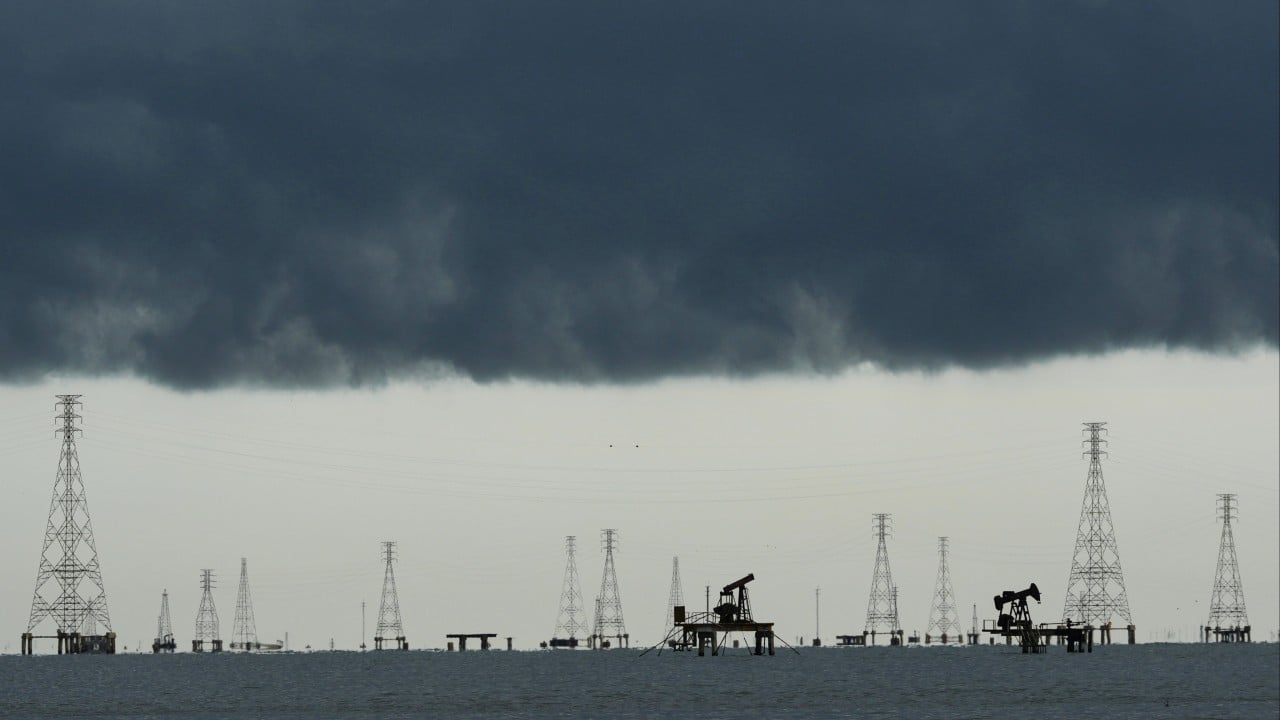
Take the seismic events in Venezuela. The targeted military operation that removed Nicolás Maduro from power and the subsequent restructuring of Venezuelan oil fields didn't just alter domestic politics in Caracas; they sent a chilling message to every other capital from Bogotá to Buenos Aires. Washington secured direct stakes in massive crude reserves and barred Chinese creditors from future revenues, turning foreign policy into an explicit exercise in resource acquisition. Further coverage on this matter has been published by USA Today.
At the same time, the deployment of naval assets for aggressive maritime interdictions and boat strikes in the Caribbean under the guise of anti-narcotics operations has resulted in significant civilian casualties and soaring regional friction. When you treat a neighboring sea like a free-fire zone, you shouldn't be surprised when your neighbors stop taking your calls.
Why the Strategy is Failing Long-Term
The core miscalculation behind this hardline approach is the assumption that Latin America has nowhere else to go. Washington is treating the region as a captive market and security zone whose primary purpose is to block external rivals like China.
The reality on the ground is completely different. Countries across the region are actively diversifying their foreign policy portfolios. Instead of bowing to US ultimatums, governments are looking toward alternative partners in the Global South. Brazil has doubled down on expanding BRICS frameworks and independent regional diplomacy. Nations that find themselves targeted by sudden tariffs or political interference are accelerating trade ties with Beijing and other international players.
Threatening secondary sanctions and demanding loyalty without offering competitive economic alternatives is a losing game. Latin American leaders aren't interested in being treated as junior partners in a renewed imperial hierarchy.
What Comes Next for the Hemisphere
You can't bomb your way to genuine regional stability, and you certainly can't bully sovereign states into sustainable economic alignment. As long as Washington relies on military intimidation and extractive resource deals rather than cooperative diplomacy, the diplomatic chasm will only widen.
The smartest move for regional governments right now is building internal economic resilience and strengthening multilateral ties outside Washington’s orbit. For the United States, persisting with these neo-imperial strategies guarantees a future of deep instability on its own doorstep, permanently alienating the very nations it claims to protect.