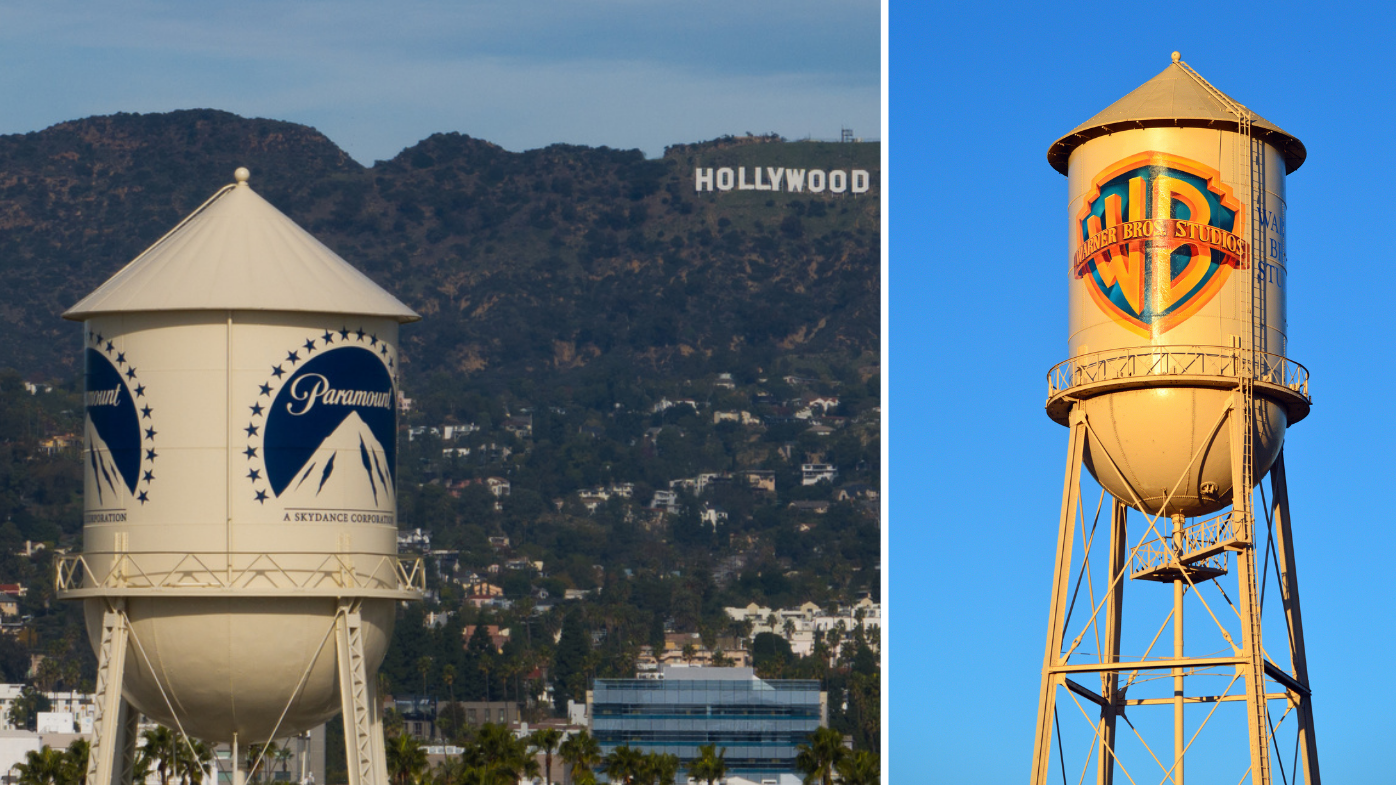
Hollywood just consolidated. If you thought the media world was already crowded with too many apps and rising subscription prices, buckle up. Today, Warner Bros. Discovery (WBD) shareholders officially greenlit a massive $111 billion deal to merge with Paramount Skydance. It’s the kind of tectonic shift that makes the old "streaming wars" look like a playground scuffle.
The vote happened on Thursday, April 23, 2026. It wasn't even close. Investors overwhelmingly backed the sale, mostly because David Ellison’s Paramount Skydance offered $31.00 per share in cash. That's a massive premium for a stock that’s been languishing. But while the money men are popping champagne, the rest of us are left wondering what happens to HBO Max, Paramount+, and the thousand channels in between. Learn more on a similar subject: this related article.
The Paycheck Protest
Here’s the funny part. While shareholders loved the deal, they hated the exit bonuses. In a move that’s mostly symbolic but very loud, they voted against the massive "golden parachute" pay packages for David Zaslav and his executive team. We’re talking about a combined exit pool worth roughly half a billion dollars.
The board will likely ignore the vote and pay them anyway. It's advisory, after all. But the optics are terrible. You’ve got a workforce that’s been gutted by layoffs over the last two years watching their bosses walk away with nine-figure checks for selling the company. It’s peak Hollywood. Additional journalism by Reuters Business explores related perspectives on this issue.
What Warnermount Actually Owns
Critics are already calling the new entity "Warnermount," and the portfolio is frankly terrifying. This isn't just about movies. This is a stranglehold on linear TV and news. When this deal closes—expected in the third quarter of 2026—one company will control:
- The Big Screens: Warner Bros. Pictures and Paramount Pictures.
- The News: CNN and CBS News.
- The Kids: Nickelodeon and Cartoon Network.
- The Rest: MTV, Comedy Central, HGTV, Food Network, HBO, and TNT Sports.
If you’re a cable subscriber, you’re basically writing one check to David Ellison now. The concentration of power here is why the DOJ and regulators are already circling. Netflix tried to buy WBD first, but Paramount swooped in with a "superior proposal" after Netflix hit antitrust hurdles. Paramount is betting that by owning the most iconic studios in history, they can finally force people to stay inside their ecosystem.
The Streaming App Headache
Let's talk about your TV. Right now, you’ve probably got HBO Max (or Max) and Paramount+ as separate charges on your credit card. That’s going to change. The plan is to smash these platforms together into one super-service.
Think about that library. You’ll have the DC Universe, Harry Potter, and Game of Thrones sitting right next to Yellowstone, Star Trek, and Mission Impossible. On paper, it sounds great. In reality, it usually means another price hike. You can bet that "Warnermount+" (or whatever they name it) won't stay at $15 a month for long.
The Death of the Split
Not long ago, David Zaslav was talking about splitting Warner Bros. Discovery into two separate companies—one for the "prestige" studio assets and one for the "legacy" linear TV business. This merger kills that plan. Instead of shrinking to survive, they decided to get so big that they’re "too big to fail."
It’s a risky play. The linear TV side of the business—networks like Discovery and TLC—is still shedding viewers to YouTube and TikTok. By doubling down on Paramount’s cable networks (MTV, VH1), the new company is tethered to a sinking ship. They’re betting that the combined strength of their film libraries will provide enough "content fuel" to power a streaming service that can actually rival Disney+ and Netflix.
What This Means for Creators
If you’re an actor, writer, or director in Hollywood, today is a dark day. Mergers like this always lead to "efficiencies." That's corporate speak for firing people. When you merge two massive movie studios, you don’t need two marketing departments. You don’t need two accounting teams.
There’s also the issue of "content purging." We’ve already seen WBD delete finished movies for tax write-offs. With a $111 billion debt load to service, expect the new management to be even more ruthless. If a show isn't a massive hit in its first week, it’s gone. The middle-class of television is being erased in favor of "mega-franchises."
Regulatory Hurdles
Don't think this is a done deal just because the shareholders said yes. The DOJ is notoriously grumpy about media consolidation these days. They blocked the Penguin Random House merger, and they’ve been skeptical of tech giants. Now, they’re looking at a company that would control a massive chunk of the U.S. news landscape and nearly half of all "prestige" television.
David Ellison has already been lobbyng Washington, arguing that this merger is the only way a "pro-Hollywood" company can survive against the tech invaders like Amazon and Apple. He’s trying to frame this as a rescue mission for the arts. It’s a clever angle, but it might not fly with regulators who worry about one company having too much leverage over cable providers and advertisers.
The Next Steps for You
If you’re an investor or just a fan of these franchises, here’s what to look for over the next few months:
- Watch the Price: WBD stock is likely to stay pegged near that $31 mark until the deal closes. If it dips significantly, it means the market is getting nervous about the DOJ.
- Bundle Early: If you have both streaming services, look for "grandfathered" deals before they officially merge the apps in late 2026.
- The CNN Question: There are rumors that the new owners might spin off or sell CNN to appease regulators. Keep an eye on the news cycle—the news itself might be the next thing on the auction block.
This isn't just another business headline. It’s the end of an era. The days of dozens of independent studios competing for your attention are over. We’re moving toward a world of three or four "content utilities." You pay your water bill, your electric bill, and your Warnermount bill. Honestly, it’s a bit depressing, but it’s the reality of a world where scale is the only thing that matters.