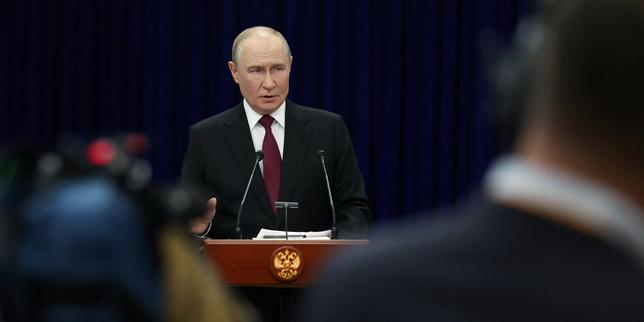
Vladimir Poutine has once again lashed out at Western policy, branding recent Berlin-backed economic measures as a massive miscalculation. When the Kremlin speaks, people listen. But beneath the sharp rhetoric lies a deeper economic struggle that Moscow works hard to conceal.
Let's look at what's actually happening behind closed doors. German foreign policy shifted dramatically over the last few years, cutting deep into energy dependencies that once bound Central Europe to Russian gas pipelines. Poutine claims these sanctions hurt Europe more than Russia. Honestly, the reality on the ground is much more complicated.
The Economic Reality Behind the Kremlin's Rhetoric
You hear constant claims from state media about Russia dodging Western embargoes. Imports drop, sure. Inflation spikes, absolutely. Yet, the official narrative ignores how severe labor shortages and military spending pressures are distorting the entire Russian industrial base.
Berlin's financial penalties aren't just symbolic paperwork. They target high-tech imports, financial routing, and energy infrastructure. When a major industrial power like Germany cuts you off, you feel it. Poutine knows this. Calling it a "gross error" is standard political posturing designed to project strength to domestic audiences who feel the pinch of rising prices.
Why Berlin Stands Firm Despite Moscow's Warnings
Germany's stance didn't happen overnight. Years of naive energy reliance blew up when the war started. Policymakers in Berlin realized that cheap gas carried an unacceptable security price tag.
- Diversifying energy suppliers away from eastern routes.
- Ramping up domestic defense readiness.
- Enforcing strict compliance on industrial technology exports.
You can't decouple economies this fast without pain. Energy bills in European manufacturing hubs jumped. Factories faced hard choices. Still, German leadership calculates that enduring short-term inflation beats long-term blackmail.
What Happens When Diplomacy Fails Completely
Communication channels between Moscow and major European capitals are virtually frozen. Every policy announcement triggers a retaliatory press briefing. Real negotiations require common ground, and right now, nobody wants to blink first.
Sanctions rarely cause instant regime collapse. They slowly grind down administrative capacity and technological modernization. Years from now, historians will analyze whether Berlin's pressure strategy forced a strategic retreat or merely hardened Moscow's resolve. Right now, both sides are locked into positions where backing down looks like political suicide. Keep an eye on how secondary enforcement handles third-party trade routes, because that is where the next economic battleground is moving.