The Viral Distraction Machine
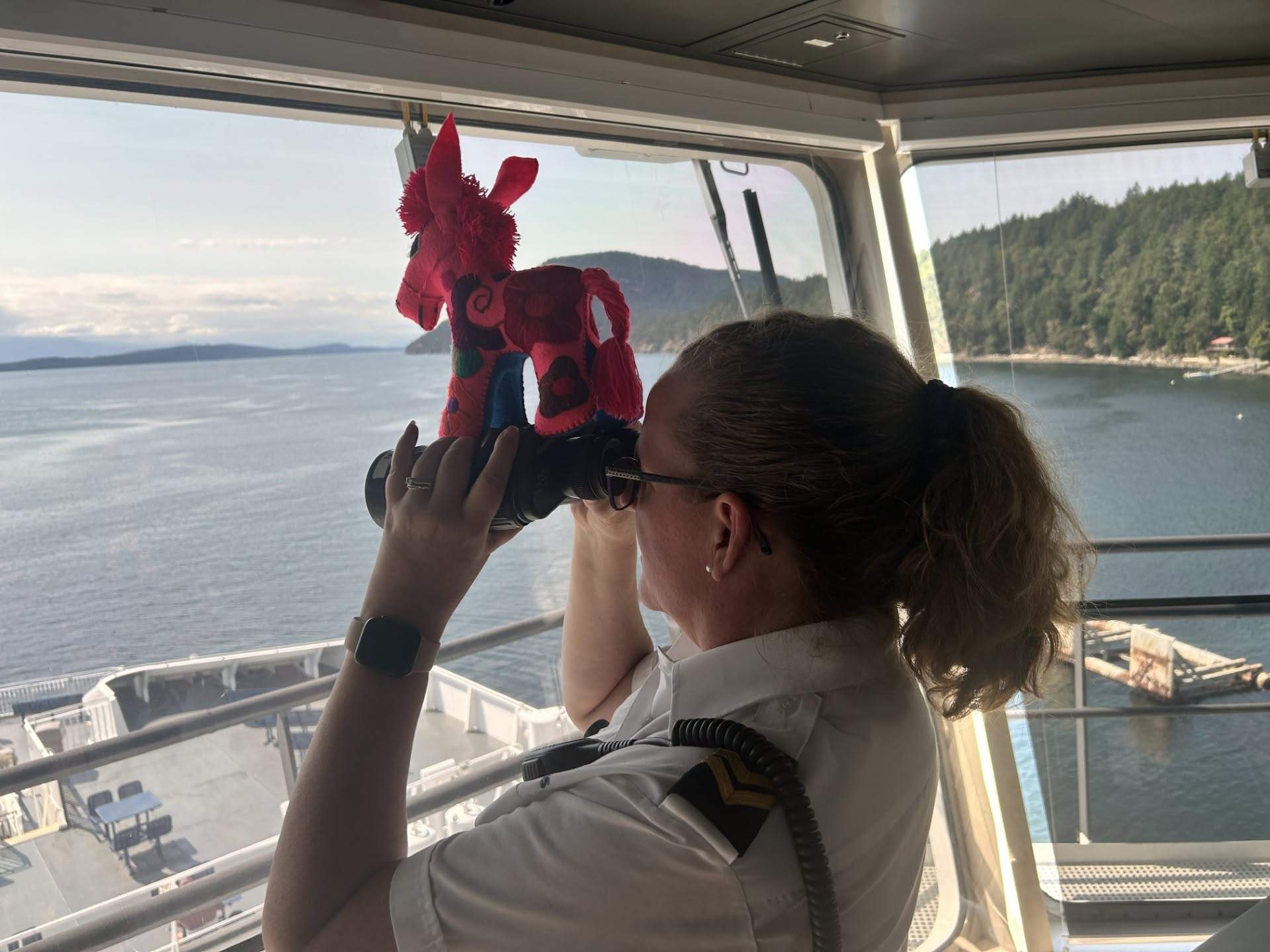
BC Ferries made global headlines when Churro the Burro took a scenic cruise across the Strait of Georgia. Social media erupted with heartwarming praise. Commentators swooned over the absurdity of a miniature donkey calmly standing beside family sedans, taking in the sea breeze on the open deck. The feel-good narrative was effortless, free, and overwhelmingly positive.
It was also a textbook exercise in industrial-scale public relations distraction.
While thousands of spectators hit share on photos of a calm donkey on a car deck, hundreds of thousands of commuters were quietly navigating standard ferry chaos: chronic staffing shortages, aging vessel mechanical failures, overbooked routes, and soaring fare costs. Churro wasn't just a cute animal on a boat. Churro was an operational shield.
When a marine transport monopoly manages to turn an anomalous livestock transport event into a viral spectacle, they aren't celebrating animal lovers. They are executing a masterclass in modern corporate deflection.
What the Fluff Coverage Conveniently Ignored
The mainstream coverage of Churro’s voyage treated the incident as an adorable, isolated miracle. The subtext was clear: Look how accommodating, charming, and human our maritime transit network is.
Here is the operational reality that standard travel writers failed to ask:
- Hazard and Containment Protocols: Standard livestock transport regulations across North America strictly govern how hoofed animals are moved on passenger vessels. When an animal is paraded outside a designated transport rig on an open vehicle deck, it represents a breach of standard containment protocols, regardless of how calm the individual animal appears.
- The Opportunity Cost of Hype: BC Ferries allocated significant internal media, PR, and administrative bandwidth to amplifying this single story. Meanwhile, customer service response times for actual human travel disruptions remained at record lows during peak seasonal corridors.
- Monopoly Sentiment Manipulation: A private, competitive transit operator has to earn customer loyalty through reliability, clean ships, and on-time departures. A quasi-governmental monopoly can substitute genuine efficiency with emotional fluff.
I have spent years analyzing transportation operations and corporate communications tactics. Whenever a critical infrastructure provider pushes a hyper-viral, low-stakes feel-good story to the front of regional media, it is almost always to mask systematic operational friction elsewhere in the network.
The Economics of the Pet Distraction Factor
Let's break down the mechanics of the "Viral Pet Strategy" and why large, struggling logistics networks rely on it.
+-----------------------------------------------------------------------+
|                       THE PR DISTRACTION FUNNEL                        |
+-----------------------------------------------------------------------+
|  Operational Friction (Delays, Mechanical Outages, Overcrowding)      |
|  ↓                                                                    |
|  Anomalous Lighthearted Event (Livestock on Board, Mascot Proposal)   |
|  ↓                                                                    |
|  Organic Social Media Amplification (Free Reach & Engagement)        |
|  ↓                                                                    |
|  Mainstream News Pickups (Zero Ad Spend Required)                      |
|  ↓                                                                    |
|  Temporary Sentiment Reset (Public forgets real operational metrics)  |
+-----------------------------------------------------------------------+
When you look at the raw media value generated by Churro the Burro, BC Ferries acquired millions of impressions for zero advertising spend.
If BC Ferries wanted to generate that same volume of positive brand perception through service improvements, what would it cost?
- Vessel Fleet Modernization: Billions of dollars in capital expenditure over a decade.
- Staff Retention & Recruitment Programs: Tens of millions annually in wage adjustments and training incentives.
- On-Time Performance Guarantee: Massive logistical overhauls across dozens of complex coastal routes.
Instead, a donkey stood on a deck for forty-five minutes.
The strategy is brilliant, cheap, and deeply disingenuous to the travelling public who rely on the service for basic transport to work, medical appointments, and commercial freight distribution.
People Also Ask: The Raw Truth Behind Livestock Transit
Can you normally bring exotic or farm animals on passenger ferries?
No. Standard regulatory guidelines require livestock to remain secured within approved, properly ventilated transport vehicles throughout the voyage. Open-deck exposure of farm animals is restricted due to stress variables, unpredictable weather, biosecurity risks, and emergency evacuation hazards. The viral framing of Churro made a high-risk policy variance look like everyday customer service.
Why do readers love stories like Churro the Burro so much?
Because human psychology is hardwired to seek comfort in absurd visual juxtapositions. A farm animal in an industrial maritime environment triggers an immediate dopamine response. Media outlets leverage this pattern to farm cheap clicks, knowing that an article about a cute donkey will outperform a deep dive into ferry mechanical maintenance backlogs by a factor of fifty to one.
Is pet-friendly travel actually improving on major ferry networks?
Barely. While several ferry systems have introduced upper-deck pet areas or designated dog zones, these amenities are often bare-bones, crowded, and secondary to revenue-generating passenger spaces. Upgrades are slow, underfunded, and usually implemented only after years of intense customer complaints.
How to Spot Infrastructure Propaganda
The next time a major transportation network, airline, or municipal transit agency drops a viral story about an animal, a surprise musical performance, or an inspirational employee interaction, run it through this checklist:
- Check the Outage Board: Look up the operator’s current delay metrics, cancelled sailings, or grounded flights on the exact same day the story was published.
- Examine the Monopolistic Hold: Does the company face real competition? If consumers have no alternative way to travel, the story isn't brand-building—it is brand-defending.
- Evaluate Safety Consistency: Ask yourself if an ordinary passenger attempting the exact same action would be permitted to do so, or immediately cited by security. If it’s a double standard, it’s a PR stunt.
The truth is stark. Churro the Burro was a delightful creature who had a nice afternoon on the water. But elevating that moment into headline news while treating regional transport delays as inevitable background noise is a failure of travel journalism.
Stop falling for the fluff. Demand on-time sailings, modern infrastructure, and transparent operations instead of adorable distractions.