Internet culture has a bizarre obsession with broken things.
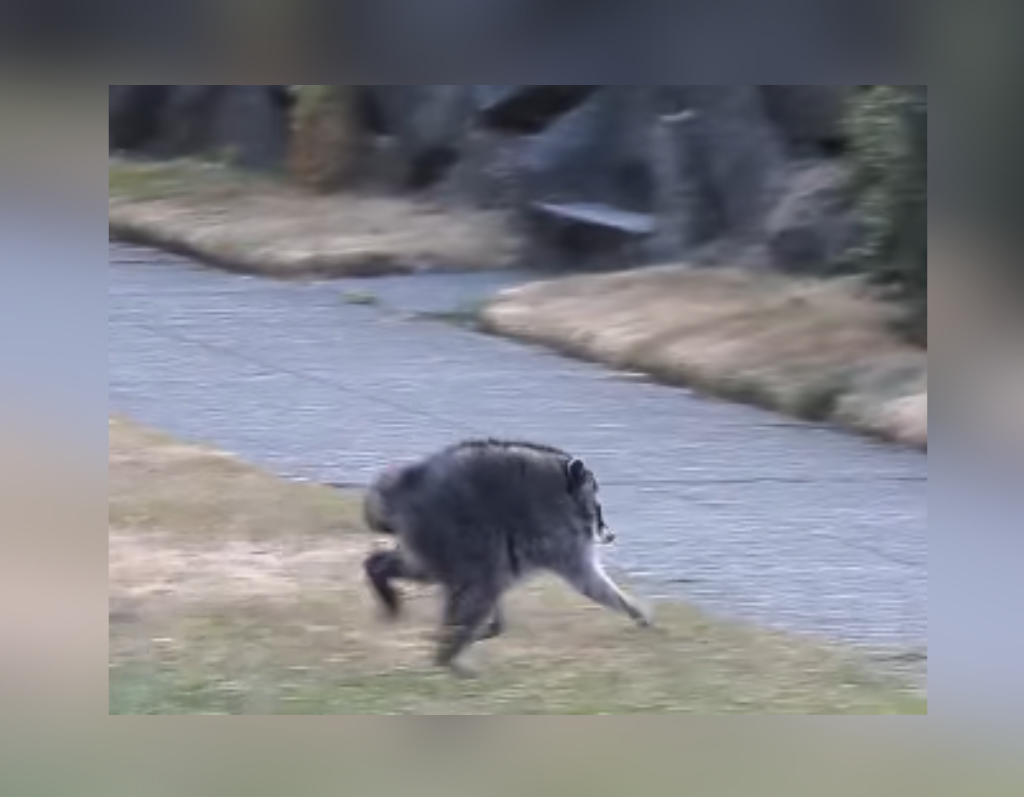
A raccoon named Jimothy shows up on social media feeds with short-spine syndrome—a rare genetic condition that compresses his vertebrae and gives him an awkwardly cute, perpetually hunched posture—and the collective reaction is a unanimous wave of digital affection. Millions of double-taps, thousands of heartwarming comments, and a flood of media outlets covering the story as a heartwarming tale of animal resilience.
It is a comfortable narrative. It is also completely misguided.
While the feel-good industrial complex packages Jimothy as a triumphant symbol of overcoming adversity, the harsh reality of urban wildlife management tells a different story. Celebrating deformities as internet mascots does not help wildlife. It fetishizes biological anomalies while blinding the public to the actual ecological and human-made crises destroying native fauna at scale.
The Exploitation of Biological Anomalies
Let us call this trend what it is: the commodification of genetic misfortune.
When a wild animal with a severe physical disability goes viral, the public projects human narratives of courage onto an organism operating purely on survival instincts. Short-spine syndrome is not a quirky personality trait. It is a debilitating structural defect. In the wild, animals born with this mutation rarely survive past infancy. They cannot forge efficient escape routes from predators, struggle to forage effectively, and suffer from chronic internal compression that impairs organ function.
When sanctuaries or rescuers harbor these animals, a dangerous feedback loop begins. To keep the clicks coming and the donation buttons hot, content creators lean heavily into the "cute disabled pet" aesthetic.
I have watched well-meaning rehabilitation centers turn into digital side-shows, prioritizing the maintenance of a single viral sensation over the unglamorous work of rehabilitating and releasing hundreds of healthy, non-viral animals. Maintaining a severely deformed wild animal requires astronomical veterinary care, specialized housing, and constant human intervention. The opportunity cost is staggering.
Every dollar spent keeping a internet-famous, non-releasable wild animal on life support for content is a dollar taken away from actual habitat restoration, mass spay/neuter initiatives, or standard wildlife rehab protocols.
The "Disneyfication" Threat to Wild Populations
The obsession with Jimothy exposes a deeper, more systemic misunderstanding: the toxic anthropomorphization of wild species.
Raccoons (Procyon lotor) are exceptionally adaptable mesopredators. They are also primary vectors for rabies, Baylisascaris procyonis (raccoon roundworm), leptospirosis, and canine distemper. Yet, every time an individual raccoon is elevated to celebrity status, public risk perception plummets.
"When wild animals are presented through the lens of domestic pet culture, human behavior degrades. People stop seeing a wild vector and start seeing a plush toy."
This mental shift creates measurable, catastrophic real-world outcomes:
- Increased Illegal Habituation: People see a cute raccoon on Instagram and start leaving food out on their back porches, turning wild animals into nuisance threats that eventually have to be euthanized by animal control.
- The Exotic Pet Surge: Highlighting deformed or unusually docile wild animals drives demand for the illegal wildlife trade. People want their own "Jimothy," leading to poachers pulling kits from wild dens.
- Misguided Interventions: Unqualified individuals attempt to "save" or keep injured wildlife they find in their yards rather than contacting licensed professionals, usually resulting in the animal suffering a slow, agonine death from improper nutrition.
The Ugly Economics of Wildlife Rescue
Why does media coverage consistently ignore these realities? Because nuance does not generate ad revenue.
A story titled "Severely Deformed Raccoon Suffer From Organ Failure While Social Media Users Cheer" does not get shared in family group chats. A story about "Jimothy the Inspiring Short-Spined Raccoon" drives millions of page views.
Viral Content Cycle:
[Deformed Animal Discovered] -> [Social Media Exploitation] -> [Feel-Good News Cycle] -> [Resource Misallocation]
This incentives structure corrupts the narrative surrounding wildlife conservation. Real conservation is unglamorous. It involves managing invasive species, culling diseased vectors to protect broader populations, protecting unexciting acreage of wetland, and letting nature take its brutal, necessary course.
Nature relies on natural selection. When we celebrate and attempt to popularize genetic dead-ends, we are not displaying empathy; we are indulging our own anthropomorphic vanity.
Stop Rooting for the Outlier, Fix the Habitat
If you actually care about raccoons, stop sharing videos of Jimothy.
The impulse to turn a struggling, genetically compromised animal into an inspirational meme is a distraction from the structural issues native wildlife faces every single day:
- Urban Fragmentation: Subdivisions and highway networks chop habitats into tiny, isolated pockets, leading to forced inbreeding. Ironically, conditions like short-spine syndrome are often the direct result of restricted gene pools caused by human development.
- Toxin Accumulation: Rodenticides and urban pollutants build up in urban mesopredators, causing neurological damage and severe birth defects.
- Domestic Pet Interactions: Unvaccinated outdoor cats and dogs pass devastating pathogens into local wildlife populations at unprecedented rates.
Focusing on Jimothy allows us to feel good about our relationship with nature without doing any of the actual work required to coexist with it. It is cheap emotional consumption.
If you find a compromised wild animal, do not film it for TikTok. Do not give it a cutesy name. Call a licensed rehabilitator, donate to native habitat acquisition trusts, and keep your dog on a leash.
Leave the viral animal videos in the trash where they belong.