The Vancouver Giants are packing their bags again. This time, they aren't just shifting to a neighboring suburb; they're anchoring a massive $360 million development project that will fundamentally change the sports layout of Metro Vancouver.
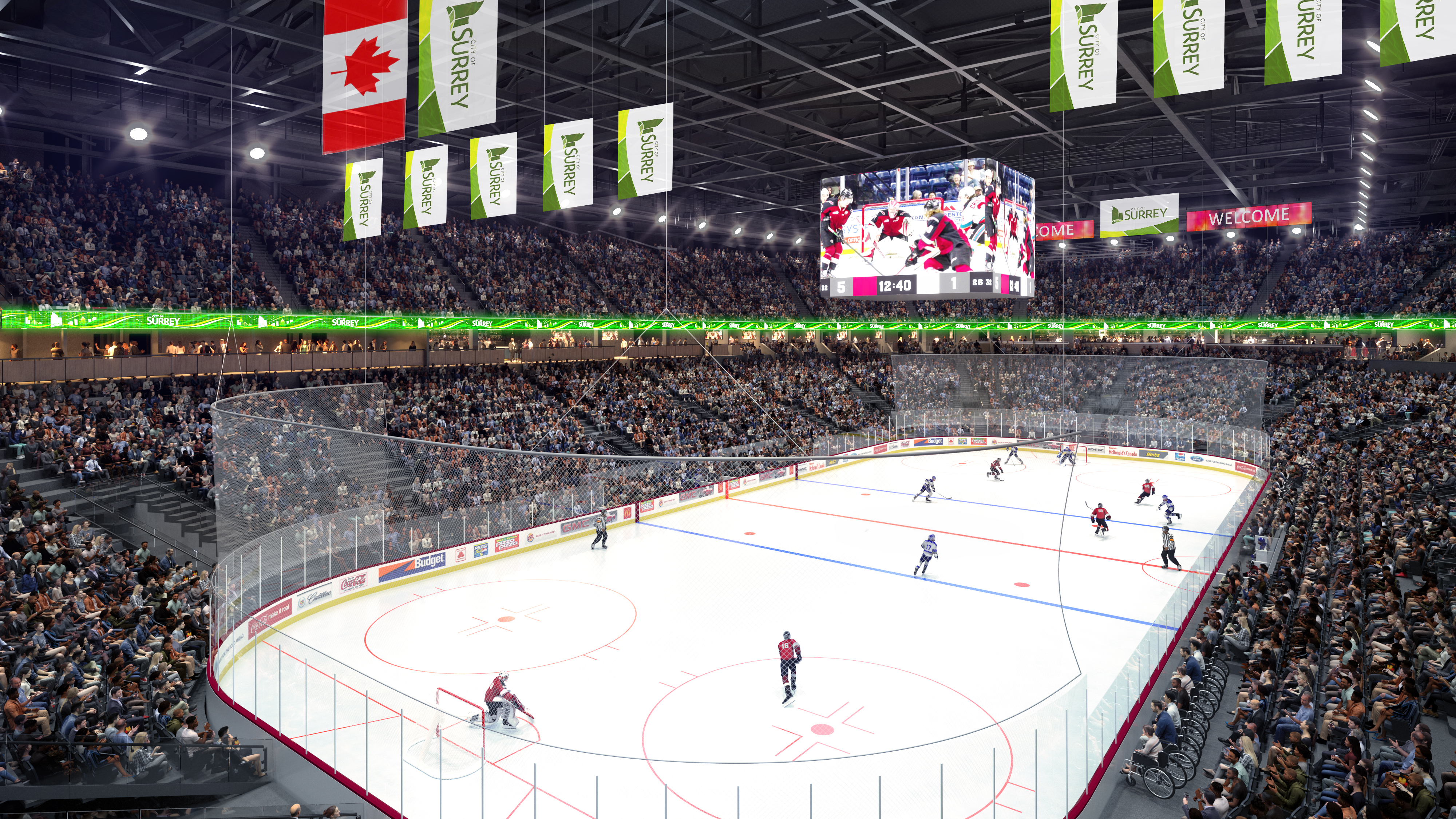
On June 30, 2026, the City of Surrey dropped a bombshell by announcing an agreement in principle to build the City Centre Arena and Cultural Event Centre. This brand-new, 10,000-seat arena will sit right in the middle of Surrey's growing downtown core. For the Giants, who have spent the last decade playing out of the 5,200-seat Langley Events Centre, this means doubling their potential crowd size and securing a spot at the center of the region's fastest-growing city.
If you think this is just about junior hockey, you're missing the bigger picture. This move represents a major economic shift, a complex piece of real estate juggling, and a high-stakes political play.
The Logistics Behind the 360 Million Dollar Build
Building an arena of this size in a land-strapped region like Metro Vancouver takes some serious creative accounting. Surrey isn't just buying a plot of land with cash. Instead, Mayor Brenda Locke announced a strategic land swap to secure the five-acre (two-hectare) site at 10355 King George Blvd, right across from City Hall and the Surrey Central SkyTrain Station.
To get that prime piece of real estate, valued at $116 million, the city is trading three pieces of municipal property located at 2750 194A St., 19165 39 Ave., and 12820-12842 96 Ave.
The money for the actual $360 million construction is already locked in, having been allocated in Surrey's 2026 budget. According to city staff, the project will be managed by the Surrey City Development Corp. If that name sounds familiar, it's because it was a major point of contention during the last municipal election cycle. Former Mayor Doug McCallum tried to dissolve the corporation, but Mayor Locke brought it back to life in 2023. Now, it's running the biggest project in the city's history.
The development plan stretches far beyond hockey rink boards. The site will eventually feature:
- A luxury hotel to attract conventions.
- Dedicated conference space.
- New high-density housing units.
- An outdoor plaza featuring a massive broadcast screen for public viewing events.
Why the Vancouver Giants Had to Leave Langley
Let's look at the hockey side of this deal. The Giants have a history of moving around. They spent their glory years at the Pacific Coliseum in Vancouver, winning a Memorial Cup there in 2007. When lease costs and dropping attendance made the Coliseum unsustainable, team owner Ron Toigo moved the club to Langley for the 2016-2017 Western Hockey League (WHL) season.
Langley was a great band-aid. The community supported the team, but the arena size capped their growth. At 5,200 seats, the Langley Events Centre is simply too small for a major market WHL team with championship ambitions.
The new Surrey arena solves the capacity issue by doubling the available seats. It also gives the team a direct connection to rapid transit. Fans from across the Lower Mainland can hop on the SkyTrain and walk straight into the arena, something that was impossible at the highway-adjacent rink in Langley.
What This Means for the Regional Economy
Surrey claims the new venue will generate $2.4 billion in economic benefits over its first ten years. While sports stadium economic projections are notoriously optimistic, the location makes a strong case for high utilization.
A 10,000-seat venue fills a massive hole in the Metro Vancouver entertainment market. Right now, touring musical acts and family shows have two main choices: the 19,000-seat Rogers Arena downtown, or smaller local theatres. There is no mid-sized modern venue in the suburbs to capture acts that don't need a full NHL-sized building. Surrey's new facility will function as a cultural event centre, aggressively booking concerts, comedy tours, and regional sports tournaments when the Giants are on the road.
The Political Undercurrents of the Announcement
The timing of this announcement isn't random. Surrey is heading into a municipal election in October, and Mayor Brenda Locke is facing a tough re-election campaign against rival councillor Linda Annis and former mayor Doug McCallum.
By pushing this arena deal through now, Locke secures a massive win to show voters. She can point directly across from City Hall and promise a sports district that rivals downtown Vancouver. Critics will likely look closely at the valuation of the land swap and the final taxpayer burden of a $360 million stadium, but for now, the narrative is focused entirely on growth.
Next Steps for the Project
Don't expect to buy tickets for a game in Surrey next winter. The arena has a scheduled completion date of 2030, meaning the Giants will stay put in Langley for the next four seasons.
Over the next twelve months, watch for the formal finalization of the land swap and the release of detailed architectural blueprints. The city will also need to open up bidding for the private development partners who will build out the hotel and housing portions of the district.