Most coverage of the aftermath of Brazil’s presidential election—and the sharp international reactions surrounding it—treats the headlines as a simple clash of personalities. On one side, commentators highlight statements from U.S. President Donald Trump questioning the integrity of the vote; on the other, they focus on reports from Senator Flávio Bolsonaro stating that judicial restrictions prevent him from leaving Brazil.
That framing is convenient for quick news cycles, yet it overlooks how institutional power, cross-border political signaling, and domestic legal mechanisms actually interact in Brasilia and Washington.
When observers reduce these developments to partisan theater, they miss the structural mechanics driving both the rhetoric abroad and the legal constraints at home. Understanding what is actually happening requires separating political messaging from constitutional procedure, examining why external claims of election rigging carry specific strategic weight, and looking closely at how Brazil’s judiciary operates during periods of intense political polarization.
The Strategic Logic Behind External Election Rhetoric
Mainstream commentary often treats statements by foreign leaders questioning another country's election as impulsive remarks. According to political analysts who study hemispheric diplomacy, that interpretation misses how transnational political alliances function.
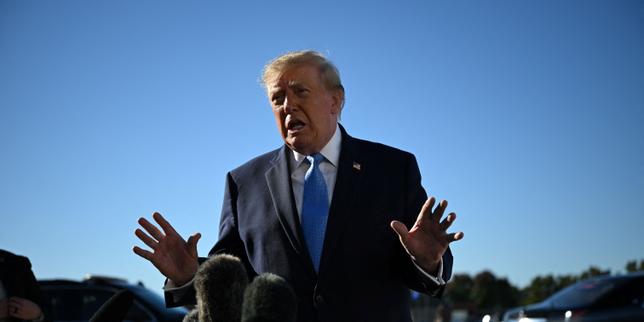
When Donald Trump characterizes a foreign election as "rigged," the primary audience is rarely the electoral commission of the country in question. Instead, political scientists point out that such statements serve multiple domestic and international functions simultaneously:
- Reinforcing a broader political narrative: Casting doubt on electoral systems abroad aligns with domestic messaging about institutional skepticism, creating consistency across different political contexts.
- Signaling solidarity to ideological allies: Publicly questioning the outcome of Brazil's vote offers rhetorical backing to aligned movements within Brazil, even when no formal diplomatic intervention is underway.
- Framing bilateral relations before formal negotiations begin: Establishing a skeptical posture early sets expectations for trade, regulatory, and diplomatic discussions between Washington and Brasilia.
At the same time, Brazilian electoral authorities and international observers have repeatedly emphasized the technical structure of Brazil’s voting system. Brazil’s Superior Electoral Court (TSE) administers electronic voting across the entire country, compiling results within hours of polls closing. Defenders of the system—including legal scholars, election auditors, and officials within the Brazilian government—argue that the electronic ballot boxes are subject to multiple layers of testing, public inspection, and cryptographic verification prior to election day.
Critics aligned with the Bolsonaro movement, however, have long argued that the absence of a physical paper trail limits independent post-election audits. While the TSE maintains that existing digital logs and parallel testing provide full transparency, skeptics contend that institutional trust requires physical verifiability. Both positions reflect distinct philosophies of electoral security, and neither is captured accurately when media reports treat the dispute purely as a personal feud.
Judicial Authority and Travel Restrictions in Brazil
The second pillar of the standard media narrative centers on Senator Flávio Bolsonaro’s statements that Brazil’s judiciary has barred him from leaving the country. Conventional reporting frequently presents such restrictions either as routine legal enforcement or, conversely, as unprecedented political persecution.
A closer look at Brazilian criminal procedure and constitutional law shows why both simplifications fall short.
Under Brazil’s Code of Criminal Procedure, judges—including justices of the Supreme Federal Court (STF)—possess broad authority to impose precautionary measures (medidas cautelares) short of pretrial detention. These measures can include passport surrender, geographic travel bans, reporting requirements, and restrictions on communication with co-defendants.
Legal experts in Brazil note several key features of how these mechanisms work in practice:
- Preventive rather than punitive design: Precautionary travel restrictions do not require a criminal conviction. Under Brazilian law, a judge may restrict international travel if prosecutors or investigators argue there is a risk that an individual could evade ongoing proceedings or interfere with evidence collection.
- Jurisdictional concentration in the Supreme Court: Because sitting federal senators hold privileged forum status (foro por prerrogativa de função), investigations involving them are overseen directly by Supreme Federal Court justices rather than lower trial courts. This concentrates high-profile decisions within a small number of magistrates, magnifying the political visibility of every procedural ruling.
- Tension between legislative immunity and judicial oversight: Brazil’s 1988 Constitution grants members of Congress broad immunity for opinions, words, and votes, while setting strict limits on the arrest of sitting lawmakers. However, Supreme Court jurisprudence over the past decade has increasingly distinguished between arrest and non-custodial precautionary measures, allowing justices to impose travel bans or passport seizures without formal congressional authorization.
Supporters of the judiciary argue that these tools are essential for ensuring accountability among powerful officeholders who possess the financial and logistical means to relocate abroad permanently. In past high-profile investigations, Brazilian authorities pointed to instances where suspects left the country before final judgments were rendered, complicating extradition efforts.
Conversely, critics—including conservative lawmakers, several constitutional attorneys, and international civil liberties commentators—argue that expansive use of precautionary measures without a trial risks infringing on parliamentary independence and the presumption of innocence. They contend that preventing an elected senator from traveling internationally limits diplomatic engagement and amounts to a de facto penalty prior to any finding of guilt.
Why "People Also Ask" Questions Often Frame the Issue Backwards
Public search behavior around Brazil’s election and its legal aftermath tends to cluster around binary questions. Examining the premises behind those questions reveals where public understanding frequently gets derailed.
Can a foreign president overturn or invalidate Brazil’s election results?
No. Under international law and Brazil’s Constitution, foreign governments have no legal mechanism to alter, audit, or invalidate a sovereign nation's certified election results. Once the Superior Electoral Court certifies the vote and the National Congress conducts the inauguration ceremony, the transfer or continuation of executive authority is governed strictly by Brazilian domestic law. Foreign statements can influence diplomatic tone, trade negotiations, or sanctions policy, but they carry zero legal force inside Brazil’s electoral framework.
Does a judicial travel ban mean a politician has been convicted of a crime?
No. In Brazil, a travel restriction or passport suspension is typically a precautionary measure tied to an ongoing investigation or preliminary judicial order, not a criminal sentence. A conviction requires formal charges by the Prosecutor General’s Office, due process through trial, and rulings by a collegiate panel of the court. Until a final judgment is reached, the individual retains their legal presumption of innocence and, unless separately suspended, their legislative mandate.
Is Brazil’s political polarization unique in Latin America?
While Brazil’s institutional clashes draw intense global attention due to the size of its economy and population, the underlying friction between executive politics, legislative allies, and activist or assertive judiciaries appears across multiple democracies in the region. What distinguishes Brazil is the institutional strength and centralized authority of its Supreme Federal Court, which plays a far more direct role in day-to-day political disputes than supreme courts in many neighboring countries.
The Structural Reality Behind the Headlines
Looking past the immediate back-and-forth between Washington and Brasilia reveals a clear institutional reality:
- Rhetoric moves at the speed of social media, while legal institutions move on procedural tracks. Statements questioning election outcomes generate immediate headlines, yet Brazil’s electoral certification and judicial processes operate through formal decrees, appellate reviews, and constitutional filings that rarely shift in response to external commentary.
- Every institutional tool carries trade-offs. Vigorous judicial oversight can prevent suspects from fleeing accountability, yet broad precautionary powers inevitably invite criticism regarding overreach and parliamentary autonomy. Similarly, defending electoral legitimacy requires institutional consistency, while dismissing all demands for procedural transparency can deepen skepticism among voters who already distrust state institutions.
Observers who focus solely on the dramatic quotes from political figures miss the deeper institutional test underway in Brazil—one defined not by a single headline, but by how courts, lawmakers, and international partners navigate the boundaries of sovereignty, due process, and democratic legitimacy.