High energy costs create a political headache that few leaders know how to solve. When American pump prices shot up due to market turmoil and disruptions around the Strait of Hormuz, the White House scrambled for a fast fix. Enter a controversial arrangement with Moscow: an emergency deal to bring hundreds of thousands of tons of Russian diesel to American and global markets.
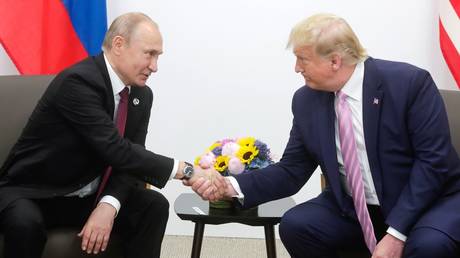
Proponents cheered it as an immediate victory for both presidents. Donald Trump could claim credit for driving down fuel expenses ahead of crucial political deadlines, while Vladimir Putin secured a notable diplomatic opening and a partial rollback of export restrictions. But theory rarely survives contact with reality. Weeks after the announcement, the grand compromise is stalling out in real-time.
The Reality Check on Logistics and Law
Announcing a cross-border energy transfer takes minutes. Moving actual fuel across sanctioned oceans proves considerably harder.
Federal statutes block the import of Russian energy products. Even though the administration issued temporary licenses and waivers to clear the path, domestic corporations are choosing to stay away. Importers face a mountain of regulatory hurdles, severe compliance costs, and the looming threat of future congressional investigations.
Tankers carrying ultra-low sulphur diesel have found themselves idling off coasts or altering their routes entirely. Regional port operators and local officials are publicly warning terminal managers against touching the cargo. When the potential legal fallout involves steep civil penalties and expensive legal defense fees, passing on cheap fuel becomes a straightforward business decision.
Why Domestic Consumers Saw Zero Relief
The core argument for the arrangement rested on volume and speed. Proponents claimed a quick influx of Russian barrels would instantly slash prices for everyday drivers.
That math ignored basic market sizing. The initial shipments amount to a fraction of daily consumption. American drivers burn millions of barrels of fuel every single day, making the incoming foreign cargo a drop in a very large bucket. Furthermore, Russian diesel requires specialized blending to meet domestic heating oil specifications, adding another layer of operational friction that discourages local refiners from participating.
Voters waiting for relief at the pump mostly found prices remaining stubbornly high. The political benefit evaporated just as quickly as the economic impact, leaving officials with the fallout of an unfulfilled promise.
The Geopolitical Fallout
While American motorists saw little change, international allies noticed immediately. European leaders and Ukrainian officials voiced sharp criticism, arguing that any economic lifeline thrown to Moscow undermines collective security efforts.
For years, Western capitals urged total economic isolation of the Russian energy sector. Breaking that precedent to solve a domestic political problem sent mixed signals across alliances. Critics pointed out the glaring irony of enforcing strict sanctions in one breath while carving out emergency exemptions for direct purchases in the next.
Energy markets move on certainty, trust, and legal stability. When policy swings wildly based on short-term political pressures, supply chains react with caution rather than compliance. The high-profile diesel pact stands as a clear reminder that complex geopolitical entanglements rarely yield quick fixes at the gas pump.