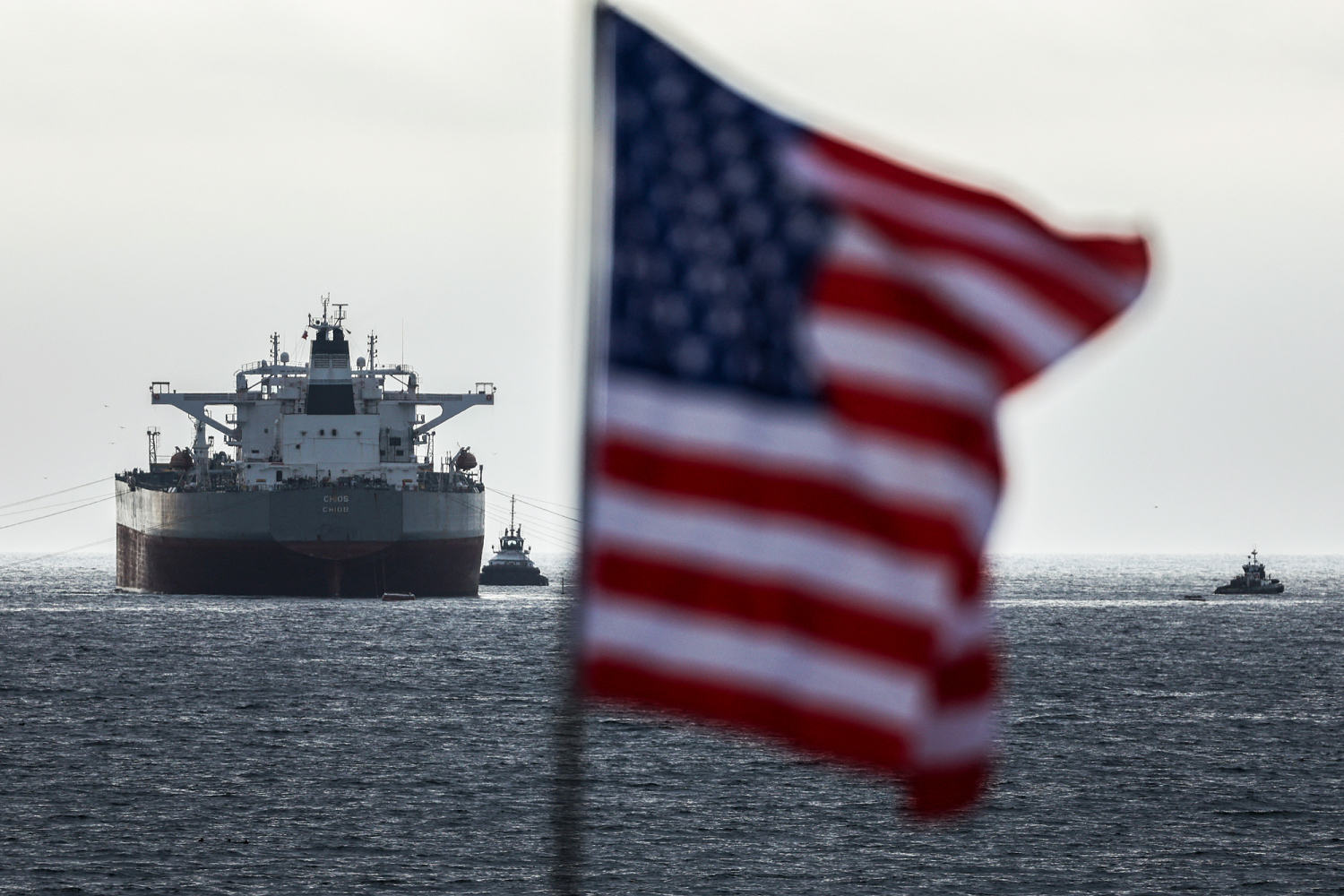
Crude oil just punched through the $100 barrier and it doesn't look like it's coming down anytime soon. If you've been watching the tickers lately, you know the vibe is tense. This isn't just a temporary spike or a speculative bubble. We are looking at a fundamental shift in how energy is priced because the conflict involving Iran has moved from a "risk factor" to a permanent fixture of the global economy.
The markets finally stopped pretending this would be a short-lived skirmish. When the first shots were fired, analysts talked about a "war premium" of maybe five or ten bucks. Now? That premium is baked into the crust. US oil, specifically West Texas Intermediate (WTI), is screaming past triple digits because the Strait of Hormuz is no longer a guaranteed passage. It's a choke point that's currently constricted.
You're feeling this at the pump, sure. But the real story is in the supply chains and the frantic hedging happening in boardrooms from Houston to Singapore.
The Iran Conflict Is Not a Weekend Event
Most people expected a repeat of historical brief interventions. They were wrong. This war has shown zero signs of slowing down, and that's the primary engine driving these prices. When you have a major producer and a geographical gatekeeper like Iran involved in a sustained kinetic conflict, the old pricing models break.
The reality is that about 20% of the world's liquid petroleum passes through that narrow stretch of water between the Persian Gulf and the Gulf of Oman. You can't just "route around" it without adding massive costs and weeks of travel time. Tankers are sitting ducks or they're taking the long way around Africa. Either way, the consumer pays the bill.
I've talked to traders who say they're no longer looking at "if" a disruption happens, but "how long" the next one will last. This uncertainty is a tax on everything. It’s a tax on your groceries, your Amazon deliveries, and your summer vacation.
Why US Production Isn't Saving Us This Time
There’s a common misconception that because the US is a top producer, we’re insulated from Middle Eastern chaos. That’s a fantasy. Oil is a global commodity. If the price goes up in London or Dubai, it goes up in Texas.
American shale producers are in a tough spot. They’ve spent the last few years being told by Wall Street to prioritize "capital discipline"—basically, stop drilling every hole possible and start giving money back to shareholders. They aren't jumping to flood the market just because oil hit $105.
- Labor shortages are real. You can't just find experienced rig crews overnight.
- Equipment costs have stayed high due to inflation.
- Permitting delays continue to slow down new projects on federal lands.
Even if every CEO in the Permian Basin decided to ramp up today, it would take months to see that reflected in the global supply. By then, the geopolitical situation could be even worse. We’re stuck in a lag.
Strategic Reserves Are Running Dry
The Strategic Petroleum Reserve (SPR) used to be our big stick. We'd threaten to release millions of barrels to cool off the market. Well, we've used that stick so many times in the last couple of years that it's looking more like a toothpick.
The levels in the SPR are at historical lows. The government is now in the awkward position of needing to buy oil to refill those tanks while prices are over $100. It’s the ultimate "buy high, sell low" move that nobody wants to admit is happening. This takes even more supply off the market, putting more upward pressure on the price you see at the local gas station.
The Inflation Connection Nobody Wants to Admit
Central banks have been trying to tell us that inflation is under control. Then a barrel of oil hits $100 and ruins the party. Energy is the "everything" cost. When fuel goes up, the cost to harvest wheat goes up. The cost to ship plastic toys from China goes up. The cost to keep the lights on in a warehouse goes up.
We’re seeing a ripple effect that could easily trigger another round of interest rate hikes. If the Fed sees energy-driven inflation sticking around, they’ll have to keep rates higher for longer. That means your mortgage, your car loan, and your credit card debt stay expensive. It's a double whammy: you pay more for gas, and you pay more for the money you borrowed to buy the car that uses the gas.
What You Should Actually Do About It
Complaining about the price of WTI won't change your bank account. You have to adapt to a high-energy-cost environment.
First, look at your logistics. If you run a business, it's time to stop relying on "just-in-time" delivery. The volatility is too high. Stock up on what you need when you can, or find local suppliers to cut down on freight costs.
Second, if you're an investor, look at the energy sector—but be picky. Don't just buy "oil." Look at the midstream companies, the ones that own the pipes and storage. They get paid regardless of the price of the commodity, as long as the volume is moving. They're the toll booths of the energy world.
Third, get serious about efficiency. I know it sounds like a cliché, but when gas is nearing five bucks a gallon in some places, that 15-year-old truck starts looking like a massive liability. It’s not about "saving the planet" right now; it's about saving your cash flow.
The Iran war isn't ending next week. The geopolitical map has been redrawn, and $100 oil is the new border. Accept the high-price environment and plan your budget around it. If it drops back to $80, you’ll have a surplus. If it hits $130, you’ll be the only one who isn't panicking.
Check your exposure to energy-heavy stocks and consider shifting into providers that have fixed-price contracts. Review your personal or business transportation budget and build in a 20% buffer for fuel fluctuations over the next six months.


