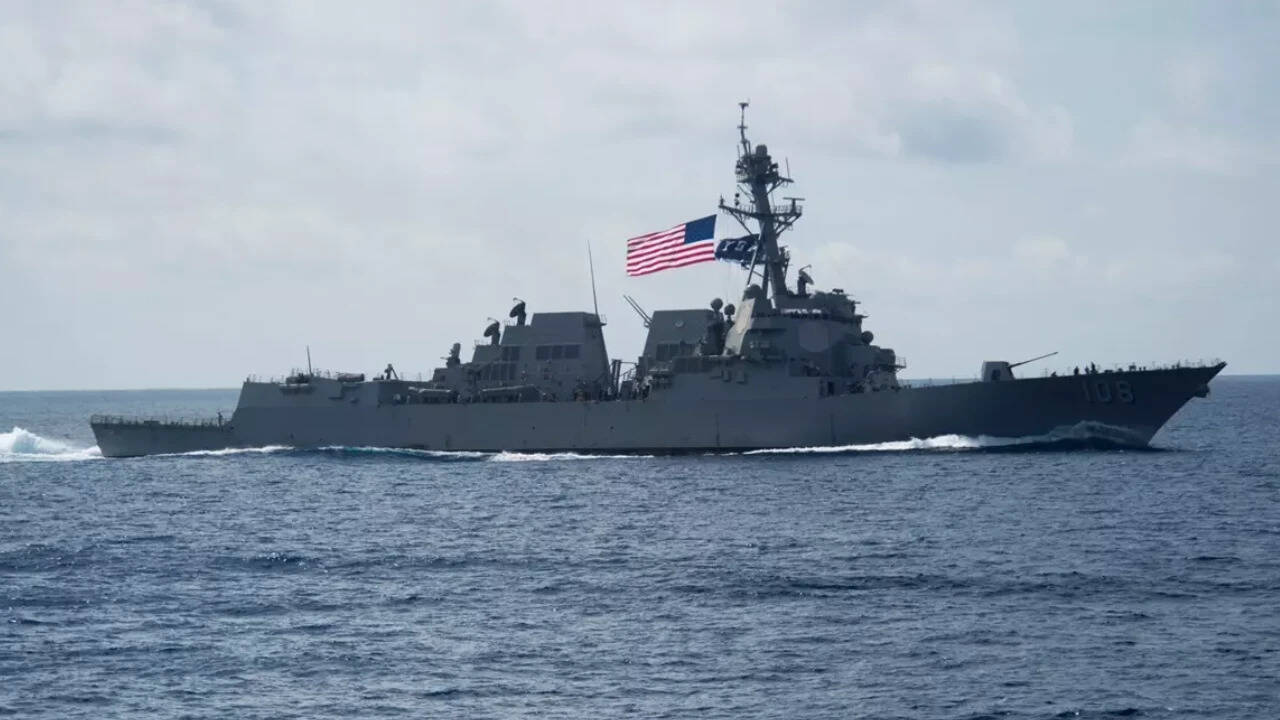
Warships are designed to project power across oceans, but they are also floating cities packed with complex machinery that constantly threatens to break down. When a major power failure hits a surface combatant far from homeport, the reality onboard changes instantly. Imagine losing climate control, fresh water systems, and basic sanitation while operating in contested waters thousands of miles away. That is exactly what happened during a grueling multi-day ordeal involving a United States Navy destroyer stranded in the South China Sea after a catastrophic shipboard power failure.
The Reality of Life Without Basic Utilities At Sea
People picture modern naval warfare as sleek screens, missile launches, and smooth technological operations. They rarely think about what happens when the electricity stops flowing. A total electrical blackout on a guided-missile destroyer disables far more than combat systems. It shuts down the galley, knocks out ventilation, and renders the plumbing useless. Don't miss our previous coverage on this related article.
When power fails, the environment inside a steel hull changes fast. Modern warships trap heat and moisture. Without air conditioning operating in tropical maritime regions, interior temperatures spike to dangerous levels within hours. Sailors sleep on open weather decks just to find breathable air.
Sanitation becomes an immediate crisis. Marine sanitation devices rely heavily on electrical pumps and vacuum systems to function across multi-deck layouts. When the grid drops, hundreds of personnel share a rapidly shrinking number of operational heads. The logistical nightmare of managing waste without working plumbing strains crew morale faster than any tactical threat. If you want more about the context of this, NPR offers an in-depth breakdown.
Why Shipboard Power Failures Happen
Every modern warship runs on an integrated power system. Gas turbine generators produce massive amounts of electricity to drive propulsion motors, radar arrays, and daily living quarters simultaneously. But centralization creates vulnerability. A single fault in the main switchboard or a cascading failure within the electrical distribution network can trip breakers across the entire platform.
Redundancy is built into every naval design, yet rare catastrophic combinations of equipment failure and human response can isolate backup systems. Maintaining these complex electrical grids requires constant preventive maintenance. When operational tempos push fleets to their absolute limits, deferred maintenance or supply chain bottlenecks for replacement parts create hidden risks.
Sailors and engineering departments train endlessly for damage control, fire, and flooding. Electrical casualties demand just as much grit. Restoring high-voltage switchboards in cramped compartments while the ship rolls in open ocean swells requires high-level technical expertise.
The Operational Cost in the South China Sea
Operating a crippled warship in a strategic waterway like the South China Sea carries unique operational complications. This region remains one of the most contested maritime zones on earth. A disabled destroyer cannot maneuver effectively, defend itself against advanced threats, or maintain its assigned station without external assistance.
Other naval assets and fleet replenishment ships must alter their missions to provide towing support, emergency supplies, and technical assistance teams. The logistics tail required to rescue a stranded combatant pulls resources away from broader regional deterrence patrols.
Commanders face difficult choices during these incidents. Do you risk towing the vessel through crowded sea lanes, or do you wait for specialized fleet salvage units to arrive? Every hour spent dead in the water increases tactical exposure.
What the Incident Teaches Us About Modern Fleet Readiness
Incidents like this expose the friction between high operational tempos and material readiness. The surface fleet faces intense demands across multiple global theaters. Ships deploy for extended periods, maintenance availabilities get compressed, and crews absorb extra strain.
Fixing these systemic issues requires more than temporary fixes. The Navy must balance strategic presence with proper shipboard maintenance cycles. If crews spend their time executing endless patrols with aging hulls and stressed electrical grids, mechanical failures will keep happening.
Next time you read about a high-tech naval deployment, remember the sailors sweating through a blackout below deck. Keeping multi-million-dollar warships operational requires daily physical labor, technical mastery, and a tolerance for harsh conditions that few civilians ever witness.