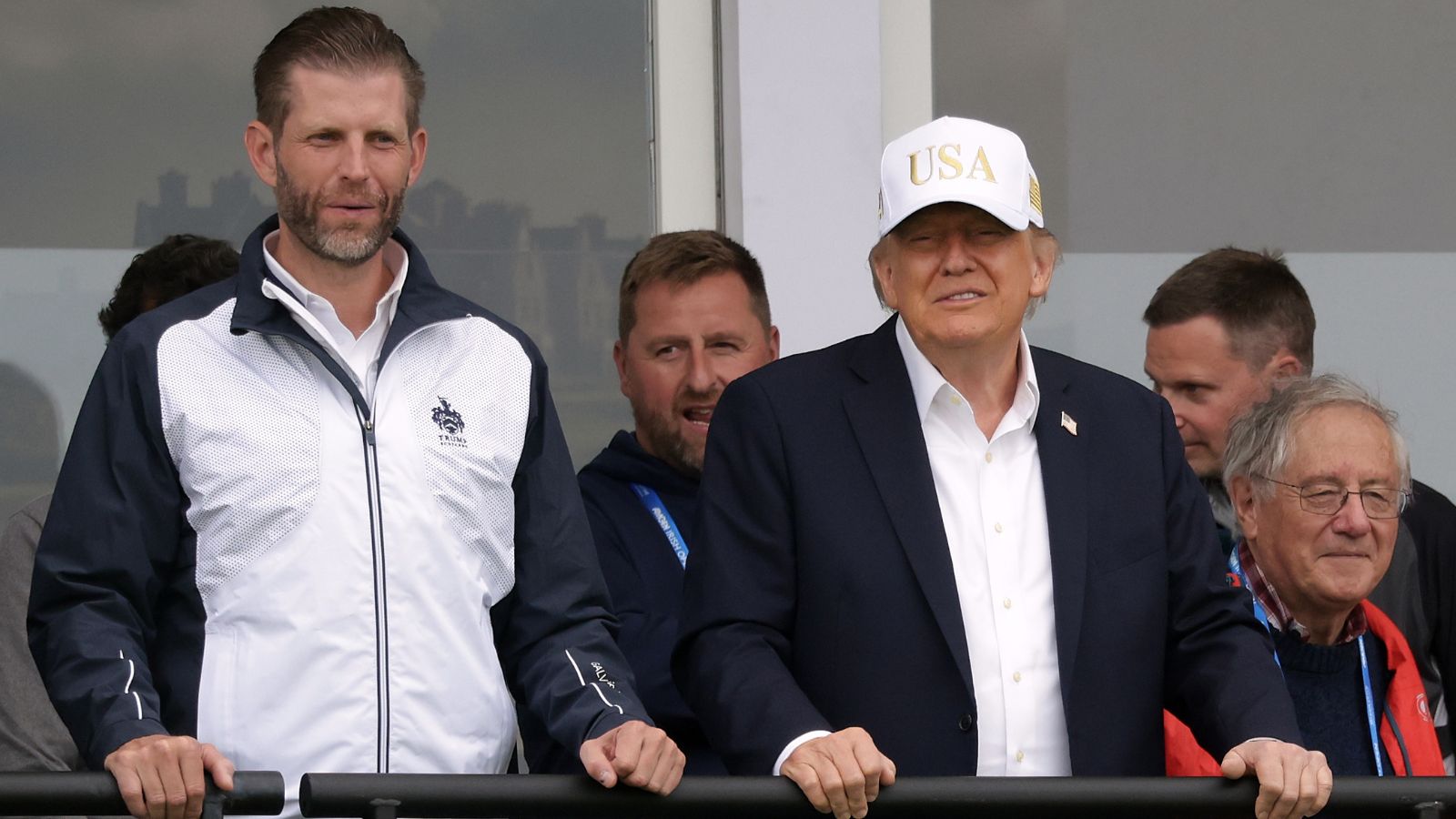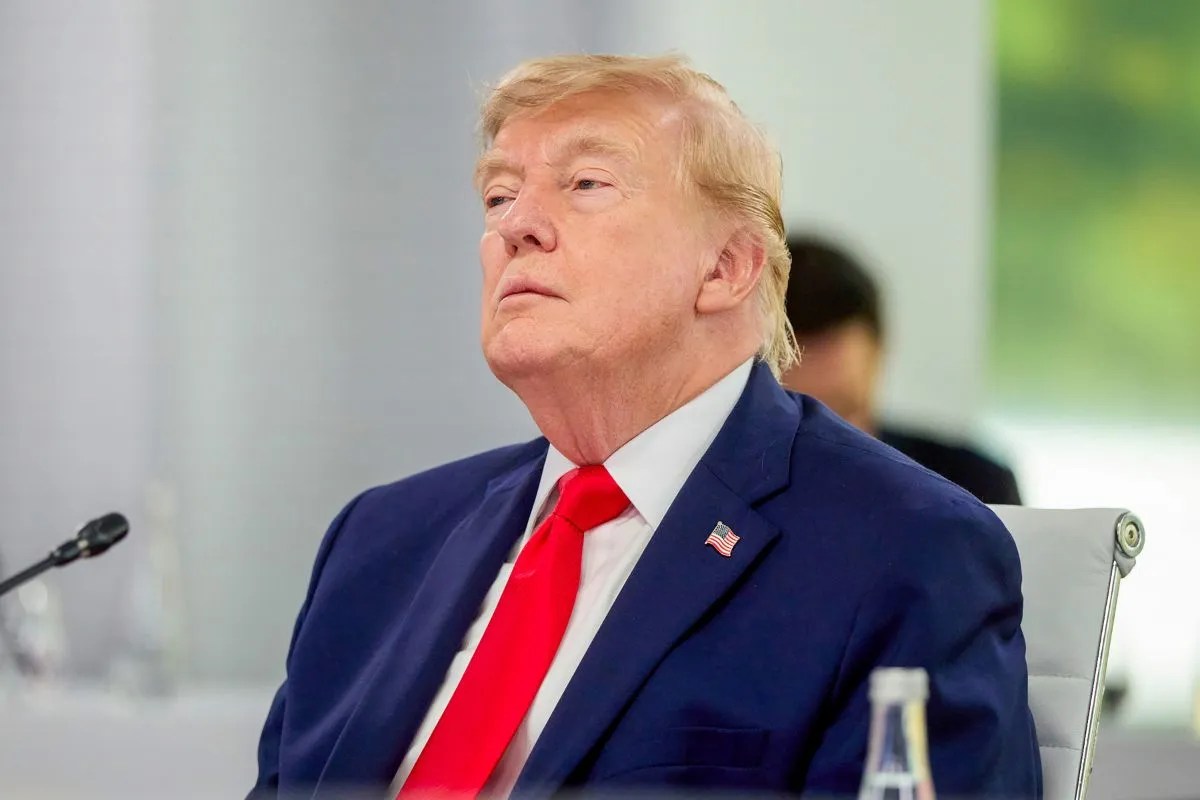
Washington just locked in five more years of economic warfare against Tehran, and Beijing is the one sweating. If you've been tracking US Iran sanctions 2026, you already know the headlines sound dramatic. Donald Trump's administration pushed through an extension of the Iran Sanctions Act framework through 2031, signaling that secondary penalties on foreign buyers of Iranian crude aren't going anywhere anytime soon.
Let's cut through the noise. Most coverage treats this like a sudden shockwave, when in reality it's the logical next step of the "maximum pressure" doctrine that returned to the White House in 2025. The difference now is the timeline. Extending statutory authority to 2031 removes any hope in Tehran or Beijing that they can simply wait out a single presidential term.
Why US Iran Sanctions 2026 Hit Differently Than Earlier Rounds
For years, geopolitical analysts argued over whether sanctions actually change state behavior. Spoiler alert: they rarely force immediate regime capitulation, yet they absolutely strangle long-term capital investment. When I look at the mechanics of the US Iran sanctions 2026 rollout, the real target isn't just the Central Bank of Iran or the National Iranian Oil Company. It's the shadow infrastructure that keeps Iranian barrels flowing east.
Think about how sanctions evasion has evolved since 2018. Tehran built an entire parallel economy using ship-to-ship transfers off the coast of Malaysia, reflagged tankers with turned-off transponders, and small regional clearinghouses that never touch the US dollar. Washington's latest enforcement push targets those exact pressure points.
Here's what actually changed with the 2031 extension:
- Statutory certainty for compliance teams. Global banks and shipping insurers hate ambiguity. Knowing the legal framework runs until 2031 means compliance departments at major maritime firms won't touch anything remotely connected to Iranian ports.
- Expanded secondary sanctions triggers. Foreign financial institutions facilitating transactions for designated Iranian entities face automatic exclusion from the US correspondent banking system.
- Tighter scrutiny on petrochemical and dual-use exports. It's no longer just about crude oil. Resin, methanol, and industrial components used in drone manufacturing are squarely in the crosshairs of the Office of Foreign Assets Control (OFAC).
Honestly, the brilliance—or brutality, depending on where you sit—of this policy is psychological. Investors hate five-year horizons filled with legal landmines. Even if a future administration wanted to soften enforcement, unwinding statutory extensions backed by bipartisan hawks in Congress takes serious political capital.
How China Got Caught in the Crossfire
You can't talk about Iranian oil without talking about China. Period. Over the past several years, independent Chinese refineries—commonly called "teapot" refineries—located largely in Shandong province became the lifeblood of Iran's export economy. According to energy tracking data from firms like Vortexa and Kpler, China has consistently absorbed the vast majority of Iran's seaborne crude exports, often at steep discounts below Brent crude benchmarks.
Why does Beijing tolerate the risk? Cheap energy. Plain and simple.
When global oil prices fluctuate, discounted Iranian crude gives Chinese private refiners a massive margin advantage. Yet the US Iran sanctions 2026 escalation puts Beijing in a tight spot. China's major state-owned oil giants, like Sinopec and PetroChina, have largely steered clear of sanctioned Iranian cargoes because they have too much exposure to Western capital markets and dollar-denominated trade. They rely on smaller, disconnected entities to handle the dirty work.
Now Washington is closing that loophole. By sanctioning specific port terminals, storage facilities, and regional Chinese banks that settle these trades in renminbi, the US Treasury is raising the cost of doing business for Beijing. If a mid-sized Chinese bank gets cut off from international clearing, the ripple effects hit regular Chinese exporters who have nothing to do with Tehran.
Beijing's Ministry of Foreign Affairs routinely condemns unilateral US sanctions as "illegal" and "hegemonic." Behind closed doors, however, Chinese financial regulators are notoriously risk-averse when it comes to systemic banking stability. You can see the tension playing out in shipping rates and insurance premiums across the Strait of Malacca.
What Most People Get Wrong About Sanctions Enforcement
If you read casual commentary online, you'll see two extreme takes. One camp claims sanctions have completely collapsed Iran's economy and regime collapse is imminent. The other camp insists sanctions are totally useless because Iran still exports over a million barrels of oil a day.
Both takes miss the point entirely.
Sanctions don't work like a light switch. They work like a tax—a massive, compounding friction tax on every single transaction a country makes. When Iran sells oil to a Chinese teapot refinery today, it doesn't get full market value. It loses money on shipping via dark-fleet tankers. It loses money on middlemen taking hefty commissions. It loses money on currency conversion fees because the funds get trapped in escrow accounts that can only be used to buy specific Chinese goods.
I've spoken with trade compliance specialists who track maritime logistics in the Persian Gulf, and they all say the same thing. Tehran has become remarkably skilled at moving physical cargo, yet getting actual hard currency back into the domestic economy remains a nightmare. That gap explains why the Iranian rial continues to suffer chronic depreciation and why domestic inflation stays stubbornly high despite steady export volumes.
The Role of the Dark Fleet
Let's look closely at the maritime angle because it's fascinating and deeply risky. Roughly hundreds of aging oil tankers operate outside Western maritime insurance networks, often sailing without standard P&I (Protection and Indemnity) club coverage.
- Many of these vessels are over 20 years old, well past normal commercial retirement age.
- They routinely spoof Automatic Identification System (AIS) signals to hide where they loaded cargo.
- Port authorities in Southeast Asia face growing environmental liability risks if one of these uninsured supertankers runs aground or spills oil in busy shipping lanes.
Under the tightened enforcement rules extending toward 2031, the US Treasury and State Department have increasingly targeted individual ship management companies registered in jurisdictions like the UAE, Hong Kong, and Marshall Islands. Once a vessel hits the OFAC Specially Designated Nationals (SDN) list, port operators from Singapore to Fujairah refuse it entry. The ship becomes a floating warehouse with nowhere to dock.
The Ripple Effects on Global Oil Markets and India
Whenever Washington tightens the screws on a major OPEC producer, energy traders immediately ask one question. Will gas prices spike?
In 2026, the global oil market looks very different from the supply crunches of 2022. Non-OPEC production growth from the United States, Brazil, Guyana, and Canada has created a comfortable supply cushion. OPEC+ also holds millions of barrels per day in spare capacity, led by Saudi Arabia and the UAE. That supply buffer is precisely why the White House feels confident turning up the heat on Tehran without triggering an immediate inflationary shock at American gas pumps.
For countries like India, the calculus is nuanced. India used to be one of Iran's top oil customers before 2019, when New Delhi zeroed out Iranian crude purchases to avoid US secondary sanctions. Since then, Indian refiners pivoted heavily toward Russian, Iraqi, and Saudi grades. The 2031 extension basically confirms that Indian state refiners won't be returning to Iranian crude anytime soon.
More importantly, the extension complicates regional infrastructure projects like Iran's Chabahar Port, where India has invested strategic capital to bypass Pakistan and access Afghanistan and Central Asia. While Washington has previously granted narrow waivers for Chabahar due to its humanitarian and regional connectivity role, every tightening of the broader sanctions regime forces New Delhi to renegotiate exemptions and walk a diplomatic tightrope.
Why 2031 Matters So Much Politically
Dates matter in diplomacy. Setting the horizon at 2031 spans beyond the current US presidential term and reaches deep into the next one.
Think about what that signals to Tehran's leadership. Historically, Iranian negotiators have been masters of strategic patience. They stalled talks during transitions in Washington, betting that political fatigue or a change in the Oval Office would bring relief without requiring deep concessions on their nuclear program, ballistic missiles, or regional proxy networks.
Locking in the legal architecture until 2031 disrupts that playbook. It tells decision-makers in Tehran—and their trading partners in Beijing and Moscow—that waiting out the clock isn't a viable strategy. If Iran wants sanctions relief, it has to negotiate a comprehensive diplomatic settlement that satisfies both the executive branch and a skeptical US Congress.
At the same time, we have to be realistic about the limits of coercion. Maximum pressure hasn't stopped Iran's nuclear advancements; in fact, International Atomic Energy Agency (IAEA) reports over the past few years have documented steady progress in uranium enrichment levels and centrifuge deployment. Critics of the administration argue that pure economic pressure without a credible diplomatic off-ramp just pushes Tehran closer to Moscow and Beijing, accelerating the creation of a sanctioned bloc that trades outside Western institutions altogether.
That's the core debate in Washington right now. Does extending sanctions to 2031 finally force Tehran to the table on verifiable terms, or does it permanently cement a parallel Eurasian trading system that gradually erodes the power of the US dollar? There's no easy consensus, even among veteran sanctions architects.
Practical Steps for Businesses and Investors Watching This Space
If you run a business involved in international trade, logistics, manufacturing, or energy commodities, you can't treat geopolitical headlines as background noise. Compliance failures carry brutal penalties, and OFAC enforces strict liability—meaning "we didn't know" isn't a valid legal defense.
Start by auditing your supply chain beyond tier-one suppliers. Many companies check their direct vendors against sanctions lists and stop there. That's a classic mistake. If your raw materials—especially petrochemicals, polymers, aluminum, or steel—pass through intermediaries in the Persian Gulf or East Asia, you need origin documentation that proves the goods didn't originate in Iran.
Update your maritime and logistics due diligence immediately. If you ship bulk commodities, verify the IMO numbers of every chartered vessel and check their AIS tracking history over the past 24 months. Any unexplained gaps in transponder data near the Strait of Hormuz or off the Malaysian coast should be treated as a massive red flag.
Review your banking and payment corridors as well. Ensure your trade finance partners aren't routing settlements through regional banks exposed to secondary sanctions. Work directly with legal counsel specializing in international trade controls to update force majeure and sanctions-compliance clauses in your vendor contracts so you can exit a deal cleanly if a counterparty gets designated overnight.