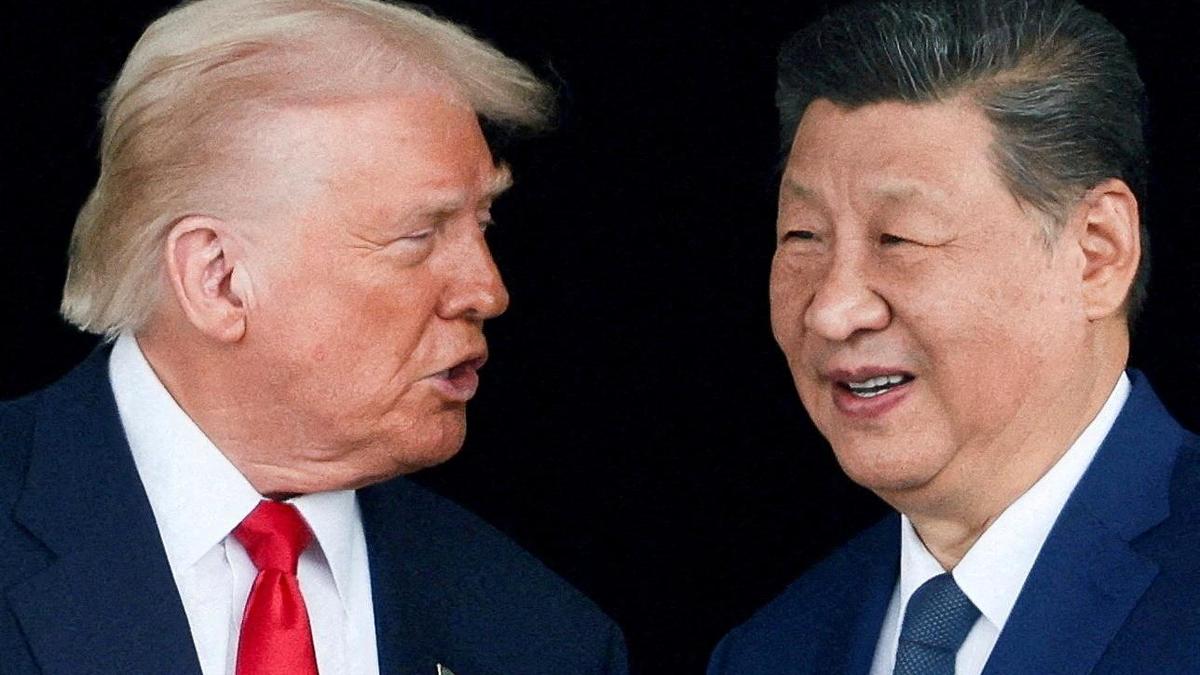
The world’s two biggest economies are back at the table in Paris, and the stakes haven't been this high since the 2025 Busan truce. Treasury Secretary Scott Bessent and Chinese Vice Premier He Lifeng aren't just meeting for the sake of diplomacy; they're trying to stop a total economic fracture. This Sunday, March 15, 2026, the negotiations at the OECD headquarters serve as the critical bridge to the upcoming Trump-Xi summit in Beijing. While the headlines focus on "paving the way," the reality is a messy tug-of-war over rare earths, soybeans, and a volatile Middle East conflict that’s threatening to blow up the global energy market.
You might think this is just another round of boring bureaucratic chatter. It’s not. It’s a high-stakes play to see who blinks first before President Trump touches down in China on March 31.
The Rare Earth Standoff
China currently holds the cards when it comes to the minerals that keep American high-tech industries running. While the 2025 trade truce paused some of Beijing’s export controls, the flow hasn't been equal for everyone. US aerospace and semiconductor firms are literally running out of yttrium—a material essential for heat-resistant jet engine coatings.
Washington’s goal in Paris is simple: get the minerals flowing again. Beijing’s counter? They want a rollback on the "Section 301" investigations into excess industrial capacity. It’s a classic leverage game. The US is investigating 16 trading partners for "unfair practices," and China is at the top of that list. If the US doesn't get its rare earths, those investigations likely turn into new, heavy tariffs within months.
Soybeans and Boeing as Political Currency
For the Trump administration, trade success is measured in domestic wins. That means massive orders for American farmers and manufacturers. Under the Busan deal, China agreed to buy 12 million metric tons of soybeans in 2025 and 25 million tons for the 2026 season. So far, they’re hitting those marks, but the US wants more.
Bessent is pushing for a multi-billion dollar commitment for Boeing aircraft and increased purchases of American liquefied natural gas (LNG). These aren't just economic targets; they’re political trophies. For Xi Jinping, agreeing to these purchases is a way to keep the peace while China struggles to stabilize its own internal economy. But it’s a delicate balance. If China gives too much on the commercial front without getting concessions on US export controls for high-end chips, they look weak at home.
The Iran War Factor
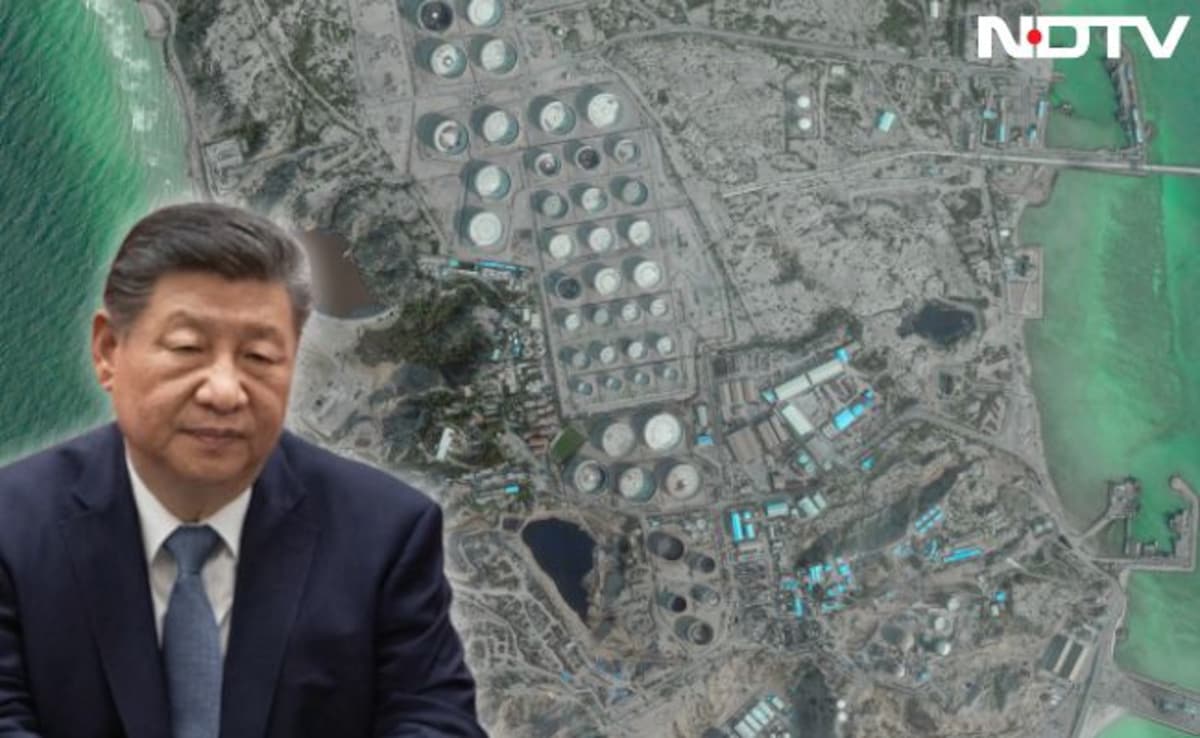
You can't talk about trade in 2026 without talking about the war. The US-Israeli conflict with Iran has sent oil prices through the roof. This affects China more than almost anyone else, given they get roughly 45% of their oil through the Strait of Hormuz.
Trump has already been vocal about other nations—including China—sending warships to keep the Strait open. In Paris, the American delegation is likely using this regional chaos as a pressure point. The US recently issued a 30-day waiver for Russian oil stranded at sea to help stabilize prices, but everyone knows the long-term solution requires Beijing’s cooperation in the Middle East. If China helps secure shipping lanes, they might find Washington more flexible on tech export blacklists.
Why This Meeting is Different
Unlike previous rounds in Geneva or London, the Paris talks are happening under the shadow of a Supreme Court ruling that struck down some of Trump’s earlier global tariffs. This has forced the administration to shift tactics. They’re now using targeted investigations and "forced labor" probes to build leverage.
It’s a more surgical approach, and it’s arguably more dangerous for China because it’s harder to challenge in court. The Paris meeting is the last chance to "agree on what is agreed" before the presidents meet. If Bessent and He Lifeng can’t find a middle ground on rare earths and tech exports now, the Beijing summit could be a very short, very cold affair.
If you’re watching the markets, keep an eye on these immediate shifts:
- Watch for any joint statement regarding "supply chain stability" specifically mentioning rare earth minerals; this signals a win for US tech.
- Monitor Boeing (BA) stock for rumors of large-scale orders—this is a key indicator of whether the Beijing summit will be a "success" in Trump’s eyes.
- Track the Strait of Hormuz shipping updates. If China shows any movement toward naval cooperation, expect a softening of US semiconductor restrictions.