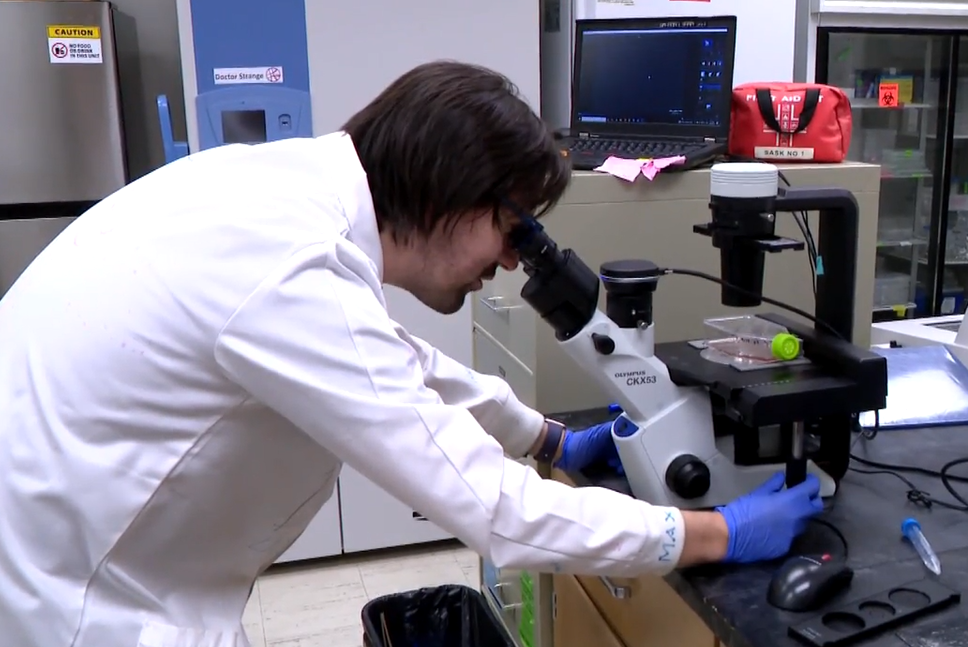
Concussions have ruined contact sports for decades. Athletes take a hit, shake it off, and spend months dealing with lingering brain fog, headaches, and chronic pain. But researchers at the University of Regina are pushing hard to test a different kind of solution: cannabidiol.
Led by faculty researchers and PhD students like Jamie White under the supervision of Dr. Patrick Neary, the university has jumped into human clinical trials examining how high-CBD extracts impact contact sport athletes. It sounds like an edgy concept. Can a compound derived from cannabis actually protect a brain from trauma?
Let's break down what these studies are doing, why everyone from scientists to major sports leagues is watching, and what you need to know about the actual science.
The Problem with Traditional Concussion Recovery
If you get a concussion today, the medical advice usually boils down to sitting in a dark room and waiting. There is no magic pill. Recovery is slow, frustrating, and heavily dependent on rest.
For athletes playing football, hockey, or rugby, sitting out isn't just boring—it messes with their livelihoods. Scientists have spent years looking for neuroprotective agents that can speed up healing or minimize the secondary damage caused by brain inflammation. That is where cannabinoids enter the conversation.
CBD is widely recognized for its anti-inflammatory properties. When a head injury occurs, the brain swells and triggers a cascade of inflammatory responses that worsen cellular damage. The core theory at the University of Regina is simple: if you introduce a controlled, high-purity CBD isolate or broad-spectrum formulation, can you blunt that inflammation before it destroys tissue?
Inside the University of Regina Trials
You can't just hand athletes random oils from a dispensary and hope for the best. Clinical science demands rigorous precision.
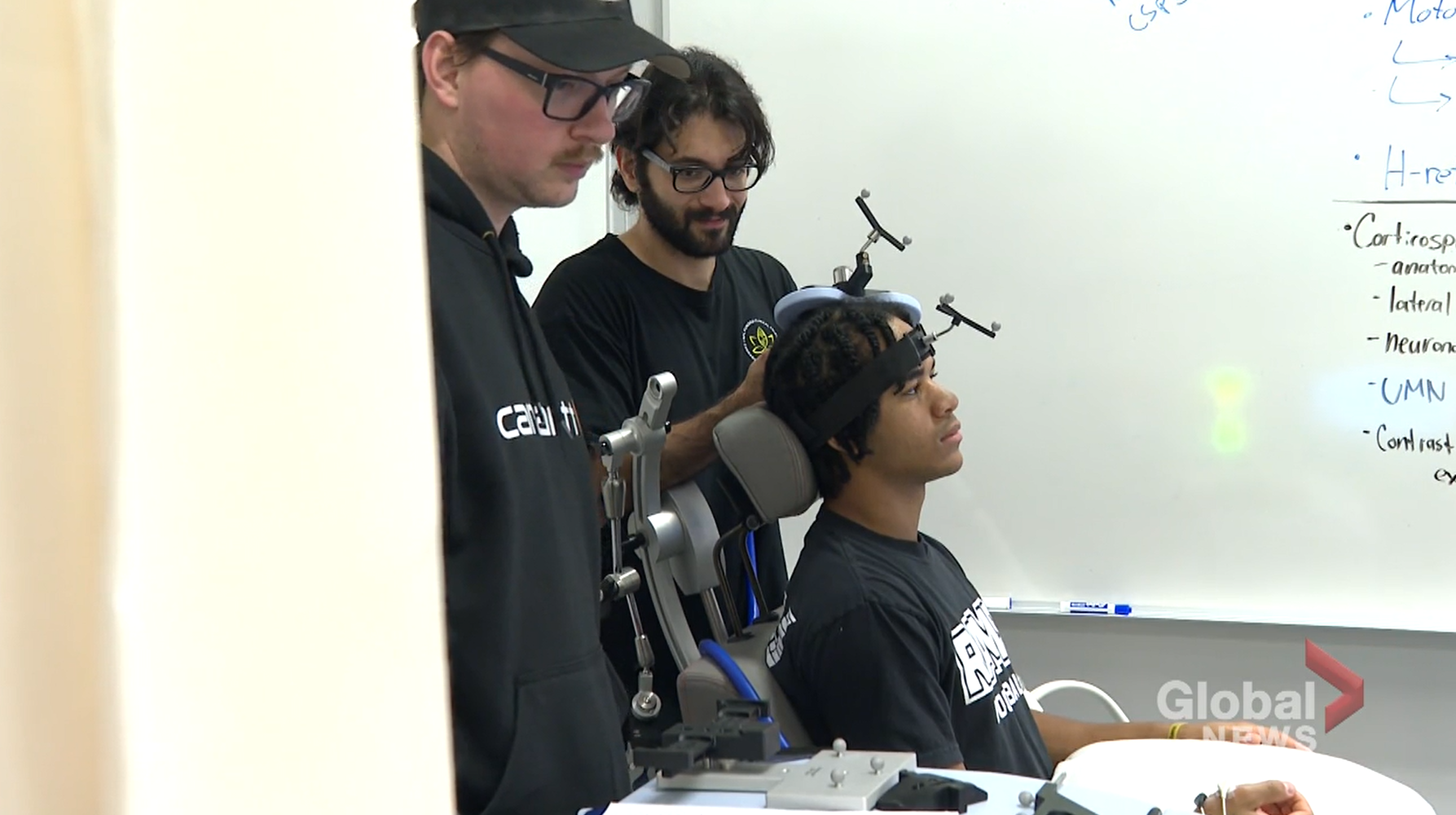
The research team structured rigorous trials—such as dosage escalation studies—tracking healthy male athletes aged 18 to 35 involved in elite contact sports. Participants aren't recreational cannabis users; they are carefully vetted athletes who undergo baseline testing before taking precisely measured doses.
The studies track multiple physiological markers:
- Blood and saliva samples to analyze pharmacokinetics and genetic responses.
- Cerebrovascular and cardiovascular tracking, including heart rate variability and cerebral blood flow.
- Gut microbiome assessments via stool samples to see how gut health intersects with brain trauma recovery.
- Psychological evaluations measuring sleep quality, pain scales, and anxiety.
Participants start on a low dose and gradually scale up under medical supervision. Researchers monitor safety closely to see how the body metabolizes high levels of CBD over weeks of daily administration.
The THC Problem in Competitive Sports
One major hurdle in cannabis research is the presence of THC. Most professional and amateur sports organizations maintain strict anti-doping rules regarding psychoactive compounds.
Researchers at the University of Regina emphasize that their protocols separate CBD completely from the legal and athletic risks of THC. The trials use high-purity isolate extracts or targeted broad-spectrum formulations containing virtually zero THC.
Athletes want relief, but they cannot afford to fail drug tests or experience cognitive impairment during competition. Proving that isolated CBD is safe, non-intoxicating, and physiologically stable at high doses is a massive prerequisite for changing how sports medicine handles head injuries.
What the Science Still Doesn't Know
Let's be completely honest. Cannabis science is still in its infancy.
Media headlines love to pitch CBD as a miracle cure. The reality on the ground is much more measured. Dr. Neary and his team are doing the heavy lifting to move past marketing hype and gather hard empirical data.
We do not yet have definitive proof that daily CBD supplementation prevents concussions. We do not have a universal prescription guideline stamped by regulatory bodies. What the University of Regina is building right now is the foundational safety and pharmacokinetic data required to design future phase trials.
Without these dose-response curves and safety profiles, medical professionals cannot responsibly recommend cannabinoids for traumatic brain injury.
Where Concussion Treatment Goes From Here
The implications stretch far beyond professional athletes. If clinical trials show that cannabinoids can successfully reduce neuroinflammation and protect vascular health in the brain, the findings could translate to car crash victims, military personnel, and everyday people prone to head trauma.
For now, stop buying sketchy over-the-counter oils expecting them to heal a concussion. Wait for the clinical data to mature. The work happening in Saskatchewan right now is setting the gold standard for how cannabis derivatives will—or won't—be used in modern neurology. Keep an eye on the results as the trials progress through their completion phases; they might just rewrite the playbook on brain injury recovery.