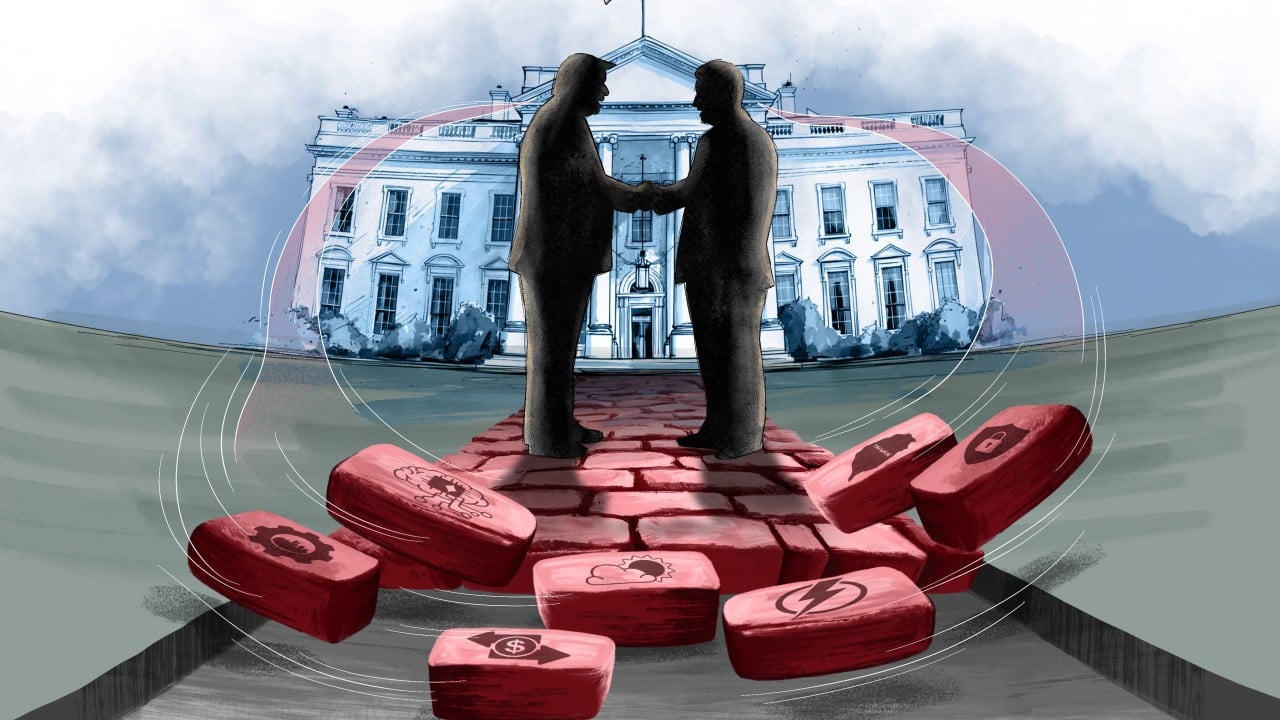
World leaders are gathering at the United Nations right now, and the mood feels heavy. We aren't just dealing with one massive global crisis anymore. We are dealing with an overwhelming triple threat: accelerating climate collapse, brutal ongoing wars across multiple continents, and the entirely unregulated rise of artificial intelligence. Most coverage treats these issues as separate items on a diplomatic checklist. They are not. They are colliding right now, and the people running our global institutions look entirely unprepared for the speed of it all.
If you watch the speeches, you notice a recurring theme of panic disguised as diplomacy. Diplomats stand at the podium reading carefully scrubbed statements written by committees, while outside the building, reality keeps moving faster than any treaty can track. Let's look at what's actually happening behind the closed doors and why this specific gathering matters far beyond New York city blocks.
The Climate Reality We Keep Ignoring
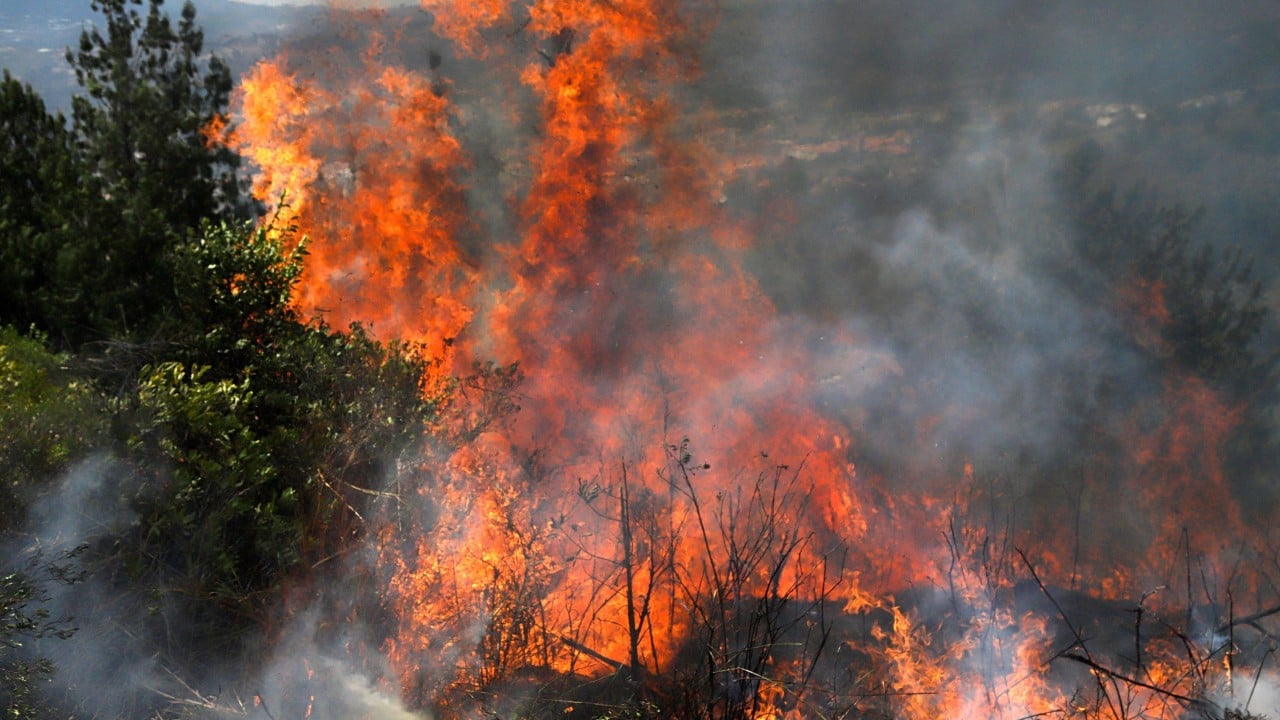
We talk about climate targets like they're homework assignments with flexible deadlines. They aren't. Last year broke global temperature records by margins that shocked actual climate scientists. Extreme weather events are destroying local economies before communities even finish rebuilding from the last disaster.
The UN podium gets filled with wealthy nations pledging billions of dollars in climate finance, but the money rarely arrives where it's needed most. Developing nations are drowning in debt just trying to keep their power grids running after floods or heatwaves. When you listen to leaders from island nations or drought-stricken regions, their frustration is palpable. They aren't asking for charity anymore. They are pointing out that rich nations broke the global climate system and are dragging their feet on paying the repair bill.
Why Pledges Fail on the Ground
Targets mean nothing without enforcement mechanisms. Right now, major carbon emitters can miss their reduction goals with zero meaningful consequences. National leaders promise net-zero emissions by 2050 because it sounds good on evening news broadcasts, but they approve new fossil fuel extraction projects back home the very next week. This double-talk is destroying whatever trust remains between the Global North and the Global South.
Wars Without Off Switches
Diplomacy is supposed to stop wars. Right now, it looks completely broken. Conflicts in Eastern Europe and the Middle East have ground into bloody stalemates that threaten to drag in nuclear-armed superpowers. The UN Security Council remains paralyzed because permanent members hold veto power that they use to shield their allies or protect their own geopolitical interests.
You cannot solve a humanitarian catastrophe when the very body designed to stop wars is structurally handcuffed by design. Millions of displaced people are living through another winter in tents or bombed-out ruins, while diplomats argue over ceasefire wording that neither side intends to respect.
The Cost of International Impunity
When international law becomes optional for powerful nations, the whole global order starts to crumble. Smaller countries see that rules only apply to the weak. That realization triggers a dangerous arms race mentality where every government decides it needs to militarize faster just to survive.
The Runaway AI Threat Hiding in Plain Sight
While leaders argue over carbon caps and artillery fire, a quieter crisis is accelerating inside corporate boardrooms. Artificial intelligence is developing at a pace that government regulators cannot comprehend, let alone control. Tech giants are deploying systems that can manipulate elections, automate warfare, and destabilize global financial markets without any international safety framework in place.
We are watching an uncontrolled technological sprint where the rule is basically to break things and worry about the consequences later. Autonomous drone swarms and algorithmic disinformation campaigns are already changing how wars are fought and how populations are controlled. Yet, when AI comes up at the UN, it usually gets buried in a sub-committee or treated as a future hypothetical problem. It is not future. It is happening right now.
What Needs to Happen Before It Breaks
We are past the point where polite speeches and non-binding resolutions can save us. Fixing this mess requires radical honesty and structural change.
First, the veto power in the UN Security Council has to go. A system that lets a handful of countries block peace efforts while civilians die is worse than useless. Second, climate finance needs to be legally mandated, not treated as voluntary foreign aid that gets cut whenever domestic politics get messy. Third, global technology treaties need teeth. Tech companies cannot be allowed to write their own rules while deploying systems that impact billions of human lives.
Pay attention to what happens over the next few months. The institutions we built after the Second World War are cracking under the weight of twenty-first-century problems. If we don't fix them, history won't judge us for failing to see the crisis coming. It will judge us because we saw it clearly and chose to talk about it instead of fixing it.