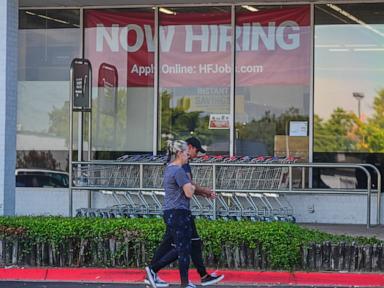
When unemployment claims drop to 189,000, the headline makes it sound like bosses are throwing parades and hiring everyone in sight. They aren't.
A reading of 189,000 initial jobless claims for the week ended October 31—matching the lowest mark since mid-July and landing below forecasts—is genuinely good news if you're worried about getting pink-slipped tomorrow. Layoffs are historically scarce right now. Yet if you're hunting for a new job, switching careers, or trying to read where the U.S. economy is actually heading, stopping at that one headline number will trip you up.
What Unemployment Claims Actually Measure
Most people treat weekly jobless claims like a live scoreboard for the entire job market. That's a mistake.
Initial claims only count people who have been separated from a job and filed for state unemployment insurance for the first time during a given week. They measure layoff momentum, not hiring strength. When that number falls by 6,000 to a seasonally adjusted 189,000—with the four-week moving average sitting around 194,750—it tells us companies are holding onto their current teams.
It does not tell us whether companies are expanding.
Think of it like driving a car. Low initial claims mean nobody is slamming on the brakes and tossing passengers out the door. But if the engine is idling slowly, you aren't winning any races. Ahead of the October employment report, economists surveyed by FactSet expected payroll growth around 65,000 jobs with the unemployment rate hovering near 4.2%, after monthly gains averaged roughly 68,000 earlier in the year and cooled to 29,000 in September. Low layoffs and modest hiring can coexist for months at a time.
Why Low Layoffs and Slow Hiring Collide
I've watched plenty of job seekers and small business owners get whiplash from mixed economic signals over the past year. On paper, a sub-190,000 claims print screams strength. In reality, many employers are playing defense while keeping their core staff intact.
Hiring and firing are two separate decisions. Firing an experienced worker carries real costs: lost institutional knowledge, severance or morale hits, and the risk of struggling to replace that person later if demand holds up. When companies face uncertainty around energy prices, interest rates, or trade policy, keeping the people you already trained often beats rolling the dice on mass layoffs.
At the same time, adding permanent headcount is expensive. Benefits, onboarding, and fixed payroll commitments make executives cautious about expanding full-time rosters too fast. Outplacement firm Challenger, Gray & Christmas reported that employers announced 444,692 hiring plans in October—up 57% from a year earlier—largely tied to short-term seasonal demand rather than permanent expansion. Holiday retail and logistics still need bodies for a few months, even when permanent hiring stays restrained.
The Continuing Claims Catch
If you only look at first-time filings, you miss half the picture. Continuing claims—which track people who keep collecting benefits after their initial week—rose by 23,000 to 1,718,000 for the week ended October 24, coming in above expectations. The insured unemployment rate stayed near 1.1%.
That contrast matters. Fewer people are losing their jobs each week, yet those already out of work aren't always snapping up new roles overnight. In a low-churn market, staying put feels safer, and landing a new offer can take longer than headline layoff numbers suggest.
Subsequent Weeks Show How Noisy Weekly Data Is
Weekly economic series jump around. By the week ended November 14, initial jobless claims moved back up to 203,000, while continuing claims climbed to 1,763,000 for the week ended November 7. Even at 203,000, claims remain relatively low by historical standards, yet the bounce proves why you shouldn't build a financial plan or an investment thesis around a single weekly release.
What Debatable Interpretations Mean for Markets and Workers
Economists don't all read a 189,000 claims number the same way, and honestly, both sides have a point.
One camp sees stubborn resilience. If layoffs stay near multi-decade lows while worker productivity remains steady, household income holds up and consumer spending has a floor underneath it. For bond traders, a tight-looking labor market can keep wage and inflation worries alive, which can push yields higher and complicate expectations for rate cuts.
Another camp is far less bullish about day-to-day job market dynamism. When job openings per unemployed worker sit close to one-to-one—around 1.06 openings per unemployed person in September data cited by Reuters—workers have less leverage to jump for a huge raise than they did during peak hiring booms. A quiet layoff environment is great for stability. It's less thrilling if you're stuck in a dead-end role waiting for better opportunities to open up.
Data limitations add another wrinkle. Weekly state claims are noisy, subject to seasonal adjustment quirks and revisions, and don't capture gig workers, discouraged job seekers who have stopped looking, or people whose benefits have run out. Treating any single weekly number as gospel is a fast way to misread the trend.
Practical Next Steps Based on Where You Sit
Don't let a low claims print lull you into autopilot, and don't let slow permanent hiring talk you into freezing either. Match your move to your actual situation:
- If you're employed and want a raise: Don't assume low layoffs mean your boss is desperate to outbid rivals. Build a concrete case around revenue, cost savings, or productivity you drove this year, and know your market range before asking.
- If you're job hunting: Expect a slower process, especially for permanent roles. Lean on direct referrals, target industries with active hiring, and consider contract or seasonal work as a bridge if you need cash flow while holding out for the right full-time fit.
- If you run a business: Audit where seasonal demand is real versus where you're stretching existing staff thin. Cross-training team members gives you flexibility without locking in permanent overhead before you're sure demand will stick.
- If you track the economy: Watch the four-week moving average alongside continuing claims, job openings, and monthly payroll revisions rather than reacting to one Thursday morning headline.
Low layoffs keep the floor steady. Real momentum still depends on who is actually willing to hire next.