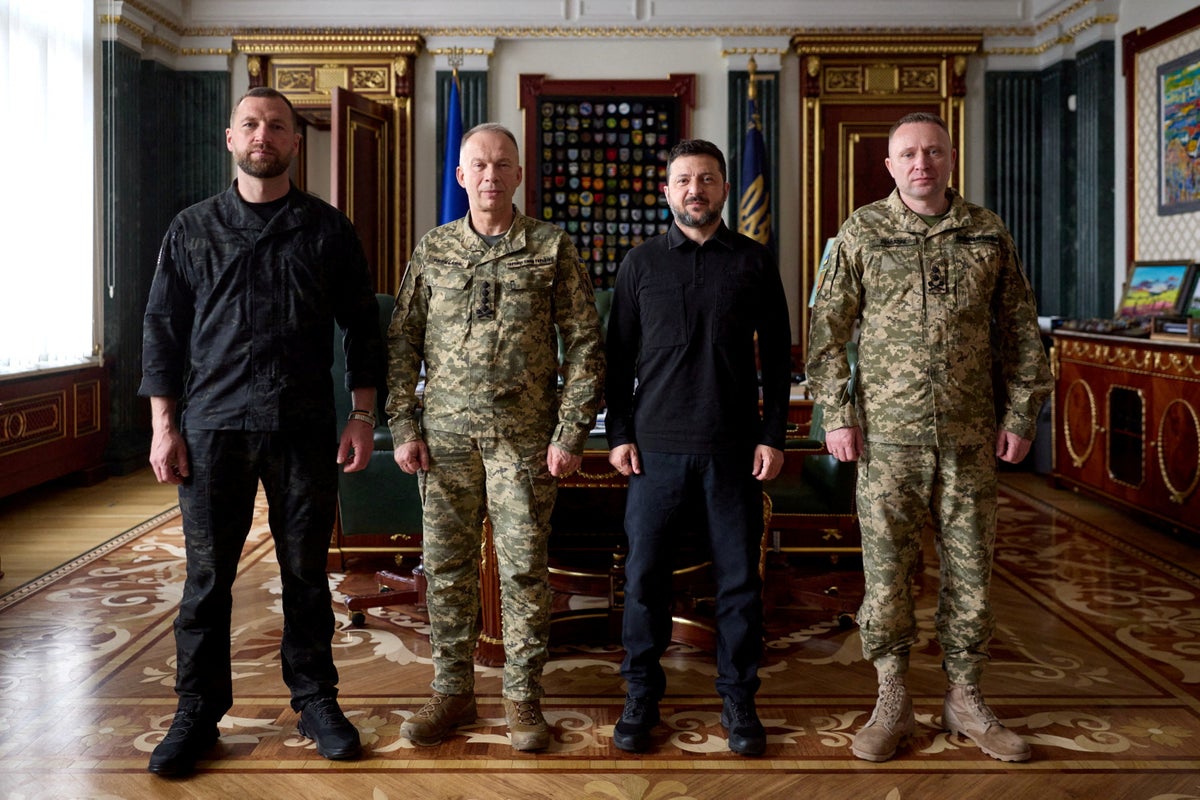
A High-Stakes Gamble in the Midst of War
Ukraine replaced its top military commander, General Valerii Zaluzhnyi, with General Oleksandr Syrskyi, a move that sparked immediate debate across military and political circles. While early public reactions signaled widespread approval among political allies, the reality on the ground reflects a complex operational shift. Kyiv needed a change in strategy following a grueling counteroffensive that failed to yield the decisive breakthroughs many had hoped for. The leadership shakeup was less about personal rivalries and more about breaking a tactical stalemate along a heavily fortified frontline.
Changing command during an existential conflict carries immense risk. Military history shows that replacing top generals mid-war can either reinvigorate a stalled campaign or disrupt crucial operational momentum. In similar updates, read about: The Night the Medicine Ran Out in a Country of 200 Million.
The Dynamics Behind the Command Shift
Syrskyi took charge with a proven track record. He directed the defense of Kyiv in the early weeks of the invasion and later planned the successful Kharkiv counteroffensive. These achievements earned him respect among senior officials, but his operational style differs significantly from his predecessor.
Zaluzhnyi was widely celebrated for his modern, decentralized approach to command, empowering junior officers to make rapid decisions on the battlefield. Syrskyi, by contrast, is known for a more rigid, traditional command structure. The Washington Post has also covered this fascinating subject in extensive detail.
Modern Tactics Versus Classical Warfare
The debate over Ukraine's leadership highlights two distinct philosophies of war.
- Decentralized Command: Encourages lower-level units to adapt quickly to changing conditions without waiting for orders from high headquarters.
- Centralized Operational Planning: Focuses on strict adherence to large-scale strategic objectives, ensuring tight coordination across extensive frontlines.
Neither approach guarantees victory on its own. A decentralized model thrives in fluid, fast-moving engagements, while centralized control often becomes necessary when managing attritional warfare where artillery, logistics, and troop rotation must be strictly rationed.
Deep Operational Challenges on the Ground
Reorganizing top leadership does not automatically solve systemic battlefield issues. Ukraine faces severe constraints that no single commander can resolve overnight with a signature.
Ammunition Shortages and Industrial Capacity
Frontline units face persistent artillery deficits compared to opposing forces. Victory in a war of attrition relies heavily on industrial output, logistics supply chains, and consistent international military assistance. A commander can optimize how shells are allocated, but they cannot manufacture ammunition out of thin air.
Manpower and Mobilization Tactics
Sustaining troop levels remains one of the most pressing hurdles for Kyiv. Rotating exhausted brigades off the frontlines requires fresh, well-trained recruits. Implementing broader mobilization policies remains politically sensitive, forcing military leaders to balance operational demands against domestic stability.
Tactical Realities and Strategic Risks
Appointing a new chief of defense forces signals a shift toward tighter operational discipline, but it also creates friction within the ranks. Frontline soldiers accustomed to flexible command structures must adapt to new expectations and reporting lines.
If the strategic focus shifts entirely to defending existing positions, Ukraine risks losing the initiative required to reclaim occupied territory. Conversely, pushing for aggressive counter-offensives without sufficient air defense and artillery support could drain vital reserves. Success will depend on whether the new leadership can blend strict operational control with the adaptability that defined Ukraine's early defensive triumphs.


