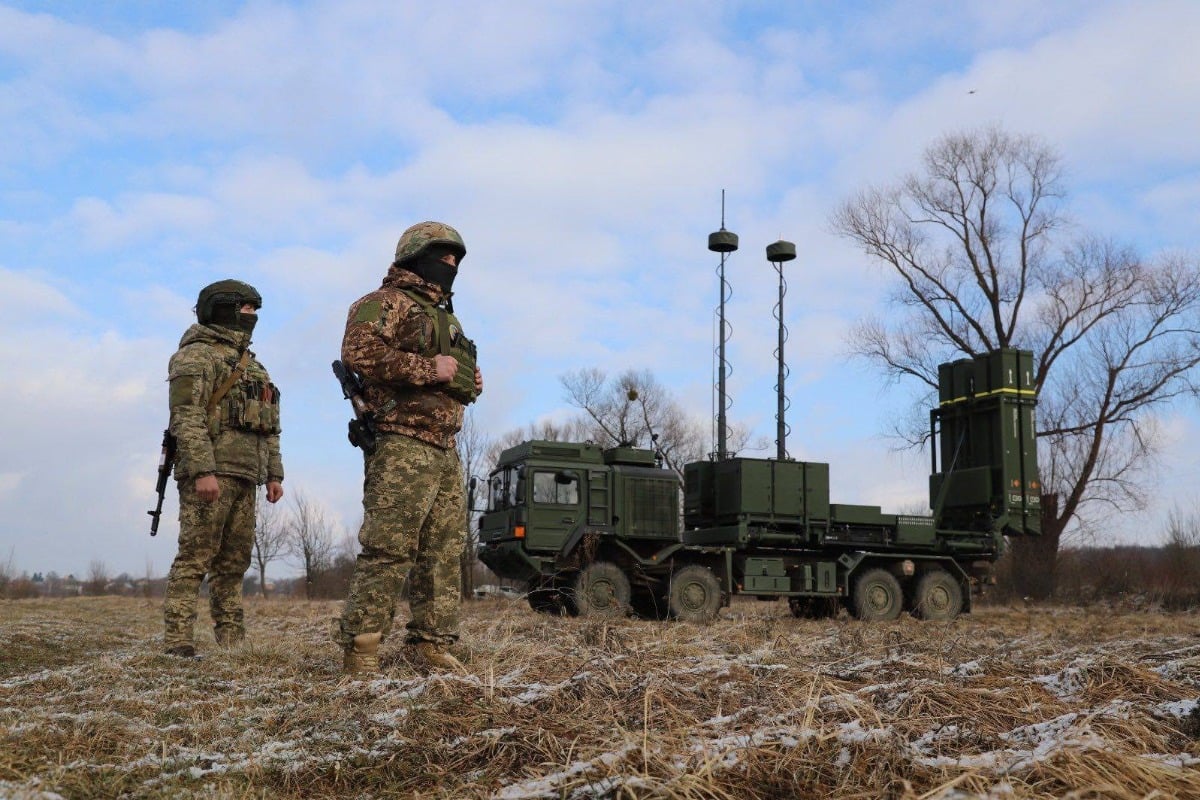
Berlin just dropped its mid-year defense export figures, and the numbers are staggering. The German government approved a record €13.87 billion in total weapons exports during the first six months of 2026. To put that in perspective, that half-year haul already beats out the full-year record set in 2025. Sitting right at the top of the order list is Ukraine, taking home €2.5 billion in approved military gear.
If you've been following European defense politics, you know this isn't a sudden spike. It's the continuation of a deep industrial shift. Germany, once known for sending helmets and expressing deep concern, has quietly built the backbone of Europe's wartime supply chain.
But looking at the headline numbers doesn't tell the whole story. You need to look at what's actually shipping out, who's paying the bills, and why this setup is fundamentally reshaping the European defense complex.
The Equipment Keeping Ukrainian Skies Clear
When you look closely at the hardware driving these multi-billion-euro approvals, it isn't just surplus stockpiles. The Ukrainian military is running an intense, high-tech operation that relies heavily on complex systems fresh off German assembly lines.
Air defense remains the most critical slice of the pie. The IRIS-T air defense system, built by Diehl Defence, has become the primary shield for Ukrainian cities. The system maintains an incredibly high interception rate against cruise missiles and loitering munitions. Alongside it, the older Gepard self-propelled anti-aircraft guns continue to perform heavy lifting. These Cold War-era systems, packing twin 35 mm cannons, were originally built to shred low-flying jets. In Ukraine, they've been successfully repurposed to take down cheap loitering drones without wasting million-dollar missiles.
On the ground, mechanized infantry units rely on Marder 1A3 vehicles to move personnel safely through heavy artillery zones. Combine that with Leopard main battle tanks, Panzerhaubitze 2000 tracked howitzers, and thousands of 155 mm artillery shells, and you see why the export pipeline is jammed.
Why the Order Book Keeps Growing
The sheer volume of these exports has supercharged Germany's industrial base. Industrial titan Rheinmetall reported a massive backlog for Ukrainian orders, with confirmed contracts sitting at €2.2 billion going into this year.
We're seeing a shift from emergency aid shipments to long-term industrial integration. It's not just about shipping boxes across the border anymore; it's about setting up long-term manufacturing agreements. For instance, German developers are rolling out the Skyranger 35 air defense system mounted on older Leopard 1 chassis, specifically optimized to counter drone swarms.
At the same time, companies are moving their operations closer to the front line. Rheinmetall already runs maintenance and repair hubs right inside Ukraine. This cuts down repair times for heavy armor from weeks to days because you don't have to haul a damaged tank all the way back to Poland or Germany just to fix a broken transmission.
The Global Customer List
While Ukraine takes the top spot for non-EU destinations, the rest of Germany's export ledger shows how heavily NATO and European allies are buying in. Around 84% of the total export licenses granted went to EU partners, NATO allies, or close regional partners like South Korea and Singapore.
The top buyers behind Ukraine show exactly who is ramping up their defense posture:
- United States: €1.6 billion
- The Netherlands: €1.3 billion
- Czech Republic: €1.2 billion
- Lithuania: €1.2 billion
Israel holds the sixth spot on the list with €799 million in approvals, though more than 60% of that funding is tied up in a long-term maritime defense project rather than ground combat equipment.
Actionable Steps for Defense Sector Observers
If you're tracking defense stocks, analyzing European security policy, or managing supply chains in the industrial sector, you can't just look at these numbers as a temporary wartime anomaly. Here is how you should react to this shifting landscape:
- Watch the Production Joint Ventures: Keep a close eye on German-Ukrainian industrial partnerships. Joint ventures that co-produce missile drones and automated hardware are the real indicators of where future defense tech is heading.
- Track the Supply Chain Bottlenecks: The massive surge in export approvals creates intense pressure on raw materials, particularly explosives and specialized electronics. Diversifying component sourcing away from highly congested European supply chains is critical if you want to avoid project delays.
- Monitor NATO Procurement Timelines: With European front-line states like Lithuania and Czechia spending heavily on German tech, expect a long-term push toward standardizing equipment across the continent. Align your compliance and procurement strategies with these specific hardware standards to stay ahead of the curve.