A Storm Heading for the Big Apple
The air in New York City carries a familiar tension whenever world leaders descend upon the United Nations Headquarters, but few arrivals stir the cauldron quite like the potential visit of Israeli Prime Minister Benjamin Netanyahu.
It is not merely a diplomatic routine. It is a flashpoint. If you liked this post, you might want to check out: this related article.
Behind closed doors and across public podiums, the anticipation of his arrival has laid bare a sharp, unyielding rift at the very top of New York's political landscape. On one side stands a faction eager to project unwavering solidarity with Israel’s leadership; on the other, a vocal movement demanding accountability, protest, and an outright rejection of the Prime Minister’s policies.
The Clash of Ideologies
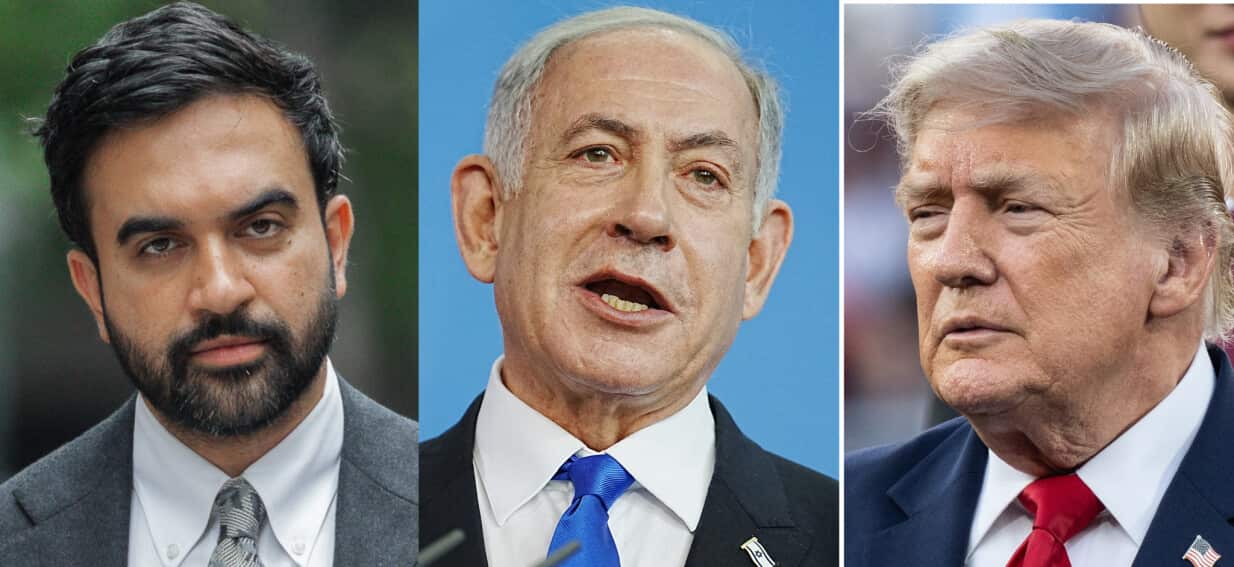
Donald Trump has made his stance unequivocally clear. For Trump and his supporters, welcoming Netanyahu is an act of geopolitical necessity and explicit alignment. They view the visit through the prism of traditional strategic alliances, viewing any public friction as a sign of weakness on the international stage. In their eyes, the red carpet should be rolled out without hesitation. For another angle on this development, see the recent coverage from Al Jazeera.
Then comes the fierce pushback embodied by figures like Zohran Mamdani and the progressive wing of city politics.
Mamdani represents a growing, relentless chorus that views Netanyahu not as an honored guest, but as a figure whose actions in the Middle East warrant severe condemnation. For this side of the aisle, the city's streets belong to the demonstrators, the families grieving lost lives, and the activists who insist that New York must not play host to military aggression without answering for it.
The dynamic creates an almost electric friction across the five boroughs.
- The Establishment View: Prioritizing high-level diplomacy, historical alliances, and strategic cooperation above internal dissent.
- The Progressive Counter: Demanding that human rights considerations override diplomatic courtesy, turning the visit into a focal point for public outcry.
Streets Caught in the Middle
Beyond the political rhetoric of cable news and social media manifestos, the real impact settles on the concrete of Manhattan.
Traffic gridlock, heightened security zones, and massive police presence are only the physical symptoms. The deeper reality is emotional. New York is home to both vibrant Jewish communities with deep personal ties to Israel and passionate Palestinian advocacy groups whose pain and frustration have reached a fever pitch.
When Netanyahu arrives, he does not enter a neutral room. He walks into a city where every policy decision he makes resonates in the living rooms of millions of residents.
A Division That Goes Beyond One Leader
This split between Trump’s full-throated backing and Mamdani’s fiery opposition is not just about one prime minister or one prospective diplomatic trip. It serves as a microcosm of a much broader, national debate over foreign policy, morality, and what role American institutions should play when foreign conflicts spill over into domestic politics.
As the possibility of the visit looms, the city prepares itself. Demonstrators refine their placards. Law enforcement coordinates security perimeters. Political leaders double down on their positions.
New York has always been a city defined by its arguments, but as the countdown to Netanyahu's potential arrival continues, the argument is no longer just about who gets to speak—it is about what this city truly stands for.