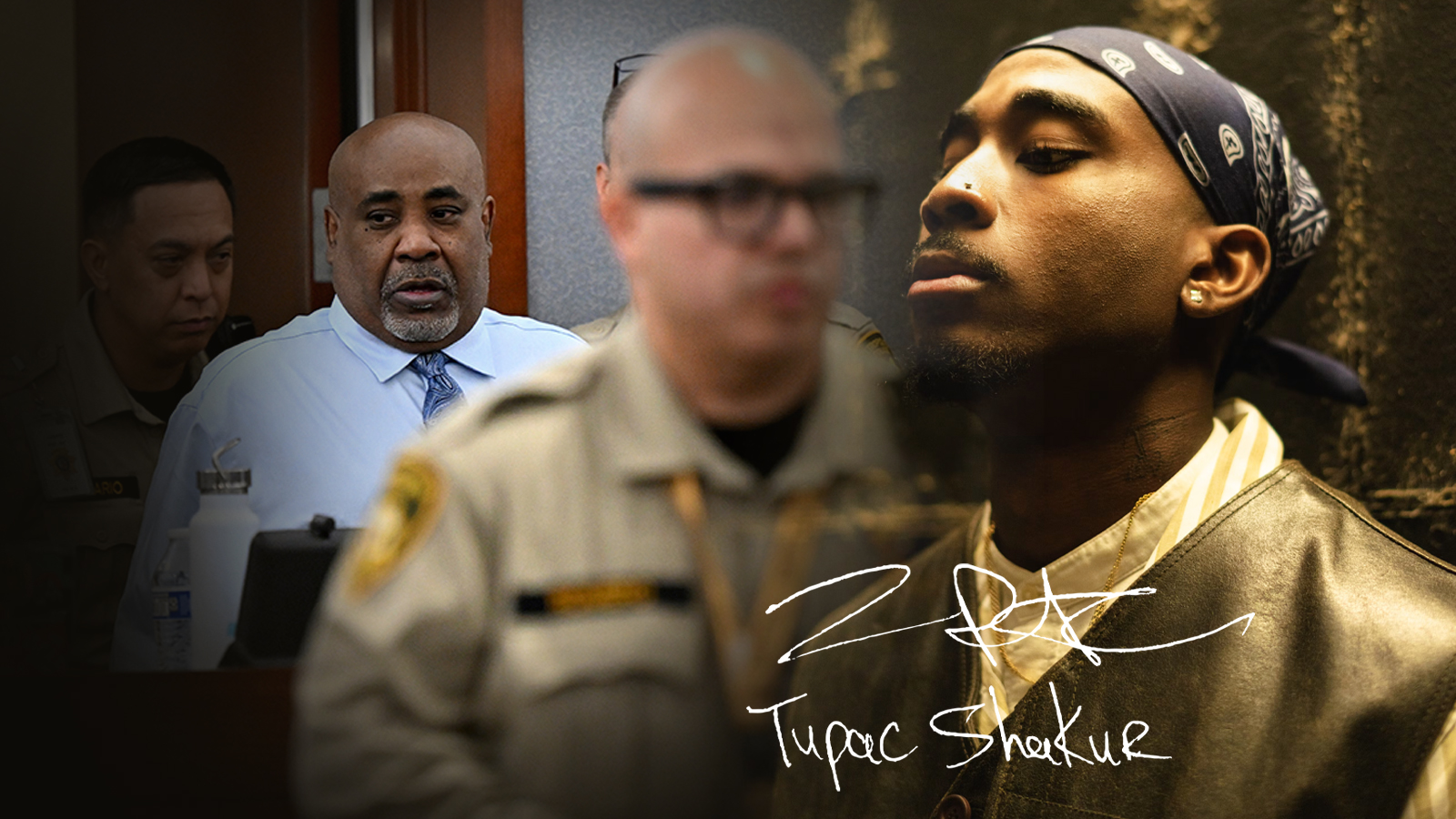
Nearly thirty years after a drive-by shooting on the Las Vegas Strip cut short the life of hip-hop royalty, a courtroom is finally hashing out who was responsible.
Jury selection has officially kicked off for Duane "Keffe D" Davis, the former gang leader accused of orchestrating the 1996 killing of Tupac Shakur. For decades, the murder sat as an open wound in American culture, spawning endless conspiracy theories, documentaries, and internet sleuths. Now, a real legal reckoning is underway.
If you thought this case would remain an unsolved urban legend forever, think again. But don't expect a neat Hollywood ending either.
The Man Who Wrote His Own Trap
Davis didn't get caught because forensic science suddenly evolved or a long-lost security tape surfaced. He got caught because he spent years talking about it.
Prosecutors built their entire case against the 63-year-old former South Side Compton Crips leader using his own words. Back in 2019, Davis co-authored a tell-all memoir titled Compton Street Legend. He went on podcasts, sat for documentary interviews, and practically bragged about being the shot caller who acquired the gun used to kill Shakur.
He basically signed his own arrest warrant.
When police finally arrested Davis in late 2023, it shocked the music world. He faces a single count of murder with a deadly weapon, complete with a gang enhancement charge. He has pleaded not guilty, and his defense team is arguing that his book tales were heavily sensationalized for profit and that his older police interviews were protected by immunity agreements.
Judge Carli Kierny ruled that the jury will hear the details anyway.
What Actually Happened That Night in Vegas
To understand why this trial matters, you have to look back at the chaos of September 7, 1996.
Shakur and Death Row Records boss Marion "Suge" Knight were in Las Vegas to watch a Mike Tyson boxing match at the MGM Grand. Earlier that evening, a massive brawl broke out in the casino lobby. Shakur and his crew jumped Orlando "Baby Lane" Anderson, Davis's nephew, because of an earlier dispute involving a Death Row employee.
Davis wanted payback.
Hours later, a white Cadillac pulled up beside the BMW carrying Shakur and Knight. Gunfire erupted from that vehicle. Shakur was struck multiple times and died six days later at the age of 25.
Every single person inside that white Cadillac, other than Davis, is now dead. Anderson, the man prosecutors believe actually pulled the trigger, was killed in an unrelated shooting in Compton in 1998. That leaves Davis as the last living link to the actual vehicle, making this trial the absolute final chance for a legal resolution.
Why the Defense Thinks They Can Win
Davis's attorneys aren't denying his past involvement with street gangs. Instead, they are poking massive holes in the state's physical evidence.
There is no DNA tying Davis to the murder weapon. There are no eyewitnesses from that night stepping forward to point the finger at him in court. The defense maintains that the state relies on second-hand accounts, clout-chasing stories, and a book written to sell copies.
Furthermore, his lawyers argue that Davis walked away from the lifestyle long ago, working legitimate jobs before health issues forced him into retirement. They want the jury to see a sick, aging man being punished for telling tall tales, rather than a criminal mastermind orchestrating a historic assassination.
The Shadow of East Coast Versus West Coast
You cannot separate this trial from the larger cultural war that defined mid-90s hip-hop.
The rivalry between Death Row Records on the West Coast and Bad Boy Records on the East Coast created a toxic environment. Shakur's death, followed closely by the murder of Christopher "The Notorious B.I.G." Wallace in Los Angeles six months later, scarred the genre permanently.
While federal and local authorities investigated both cases for decades, they stalled out. This trial opens the vault on an era most people thought history had buried. For hip-hop historians, fans, and most importantly, Shakur's family, the proceedings are heavy. His stepbrother, Mopreme Shakur, has spoken openly about how exhausting and retraumatizing it is to sit through the process, while remaining cautiously hopeful that absolute truth will finally win out.
The courtroom battles in Las Vegas are slated to run for roughly a month. As testimony rolls on, pay attention to how much weight a jury places on modern digital footprints and media interviews versus hard physical evidence in cold cases.
Watch the headlines closely over the next few weeks because a chapter left open for thirty years is finally closing.