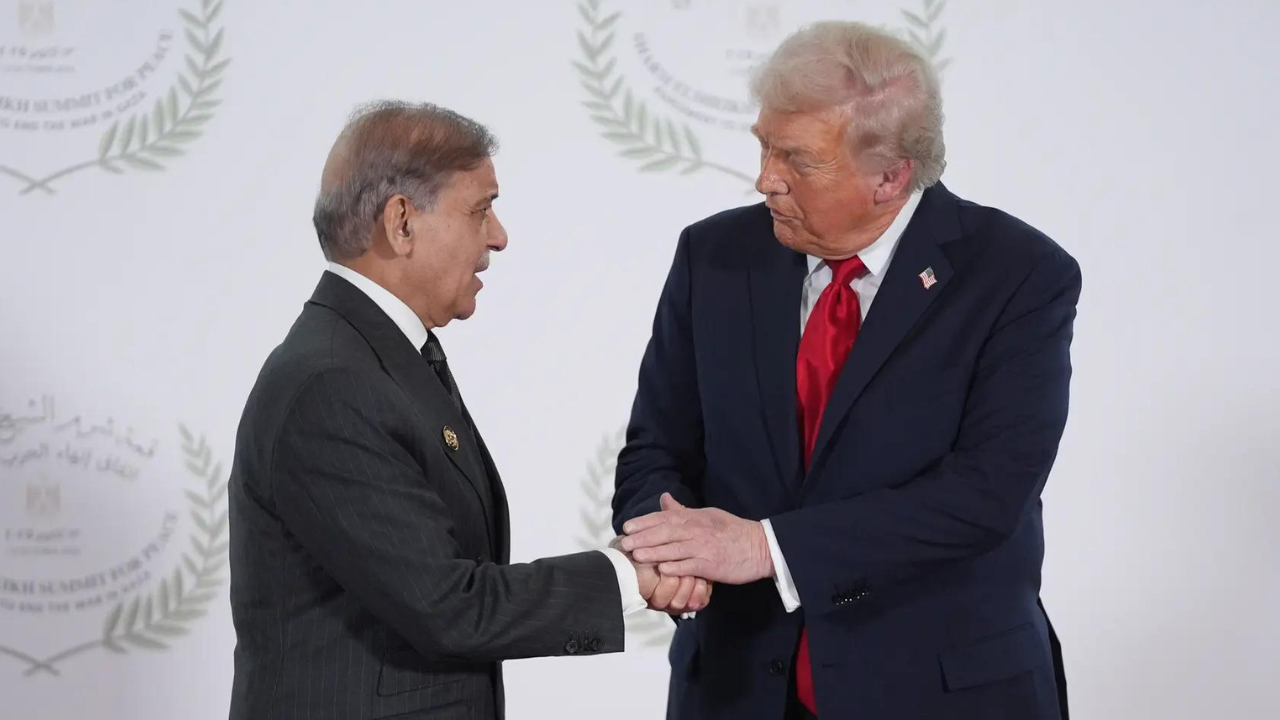
The White House just did something unusual. It vetted a speech for a foreign leader. When Pakistan Prime Minister Shehbaz Sharif stepped up to discuss a ceasefire regarding the conflict in Gaza, the words he spoke weren't just his own. They were pre-approved by Washington. This isn't just about diplomatic "coordination" or making sure everyone is on the same page. It's a calculated move to manage a very specific audience: Iran.
Pakistan found itself in a tight spot. They needed to signal support for a ceasefire to satisfy their own population and their neighbors in Tehran. But they couldn't risk drifting away from the American orbit. The result was a statement that was essentially "sold" to Tehran as a joint US-Pakistan position, even though the strings were pulled entirely from the West Wing.
Why the White House Micromanaged a Pakistani Statement
Washington doesn't usually proofread the speeches of sovereign leaders unless there's a massive geopolitical payoff. In this case, the payoff was stability. The Biden administration is desperate to keep the Gaza conflict from spiraling into a regional war that pulls Iran directly into the fray.
Pakistan has a unique relationship with Iran. They share a long, often porous border and a complicated history of security skirmishes and energy deals. By having Sharif deliver a message that the White House already signed off on, the US used Pakistan as a reliable messenger. It's a way to tell Tehran, "Even your partners agree with our framework for a ceasefire."
It's about optics. If the US says it, it's a demand. If Pakistan says it, it's a suggestion from a friend. That distinction matters in the halls of power in Tehran.
Selling the Ceasefire to Tehran
The phrase "sell it to Tehran" isn't an exaggeration. Sources close to the diplomatic process indicate that the Pakistani leadership was specifically tasked with framing the ceasefire proposal in a way that would be palatable to the Iranian regime.
Iran holds significant influence over various proxy groups in the Middle East. If they don't buy into a ceasefire, the fighting doesn't stop. The US knows this. By vetting Sharif’s statement, they ensured that no "rogue" Pakistani rhetoric would accidentally offend Iranian sensibilities or provide an excuse for Tehran to reject the proposal.
Pakistan gets something out of this too. They get to look like a major player on the world stage. They get to act as the bridge between the Islamic world and the West. For a country struggling with a massive economic crisis and internal political friction, that kind of international relevance is pure gold.
The Problem with Pre-Approved Diplomacy
There’s a danger here. When a country’s foreign policy statements are cleared by a foreign power, it raises questions about sovereignty. Critics in Islamabad are already whispering about whether Pakistan is acting as a "client state" rather than a partner.
Diplomacy usually involves a give and take. But when the "give" is your own voice, the "take" needs to be substantial. Pakistan is currently seeking financial lifelines from international lenders, many of whom are heavily influenced by American policy. It's hard not to see the White House's involvement in this statement as a "favor for a favor" setup.
The statement focused on the immediate need for a pause in hostilities and the delivery of humanitarian aid. These are universal goals. But the specific phrasing—the nuances of how the ceasefire would be monitored and what the long-term "day after" plan looks like—carried the distinct thumbprint of American State Department officials.
Breaking Down the Strategic Silence
You might wonder why the White House would admit to this or let it slip. Usually, these things stay in the shadows. But the leak itself serves a purpose. It tells the world—and specifically Israel and Iran—that the US is in total control of the diplomatic narrative.
It sends a message to Israel that the US is working every possible angle, including through non-traditional allies, to secure a deal. Simultaneously, it warns Iran that their neighbors are aligned with the American vision. It's a high-stakes game of telephone where the original caller is in the Oval Office.
The Role of General Asim Munir
We can't talk about Pakistani foreign policy without talking about the military. General Asim Munir has been active in shoring up relations with both the Gulf states and the US. The military's fingerprints are all over this "cleared" statement. The civilian government in Pakistan often handles the delivery, but the military handles the strategy.
The army knows that Pakistan's economic survival depends on staying in the good graces of the West. If that means letting the White House edit a few paragraphs of a speech to help cool down the Middle East, they’ll take that deal every time.
How This Impacts the Gaza Peace Process
Does a vetted speech actually move the needle? Maybe.
If Iran believes that the US is willing to work through intermediaries like Pakistan, it might open a small window for more direct negotiations. It shows a level of flexibility that isn't always present in American foreign policy. However, if the "sell" feels too forced, it could backfire. Tehran isn't stupid. They know when they're being managed.
The immediate goal was to prevent an escalation during a particularly tense week of negotiations. By using Sharif as a mouthpiece, the US added a layer of "Islamic solidarity" to a proposal that originated in Washington.
What This Means for You
This isn't just a story about two countries you might not live in. It’s a blueprint for how modern global power works. It’s no longer just about who has the biggest military; it’s about who controls the script.
When you read headlines about international "agreements" or "joint statements," you have to look for the invisible ink. Ask yourself who cleared the statement and who the real audience is. In this case, the audience wasn't the Pakistani people or the American public. It was a group of decision-makers in Tehran.
What to Watch for Next
- IMF Negotiations: See if Pakistan gets easier terms on their next loan. That's the likely "payment" for this diplomatic assistance.
- Iranian Rhetoric: Watch how Tehran responds to Pakistani diplomatic overtures in the coming weeks. If they stay quiet, the "sell" worked.
- State Department Briefings: Look for more "coordinated" statements from other US allies like Qatar or Jordan. This is a repeatable model.
The world of diplomacy is getting smaller. When the White House starts editing the speeches of other Prime Ministers, the lines between independent nations and global alliances start to blur. It's efficient, sure. But it's also a reminder of who really holds the pen in the current global order.
Keep an eye on the official channels, but pay more attention to the leaks. The real story isn't what Sharif said; it's who told him he could say it.