Football is no longer just a sport when the world cup arrives. It becomes a massive geopolitical chessboard. The upcoming tournament represents the absolute pinnacle of this reality. If you think the relationship between Zurich and Washington is purely administrative, you are missing the real story.
The alliance between football’s governing body and the American government goes far deeper than stadium leases and commercial deals. It is a highly strategic, often transactional partnership that shapes immigration policy, corporate law, and global influence. Meanwhile, you can find similar developments here: Why Chinese Football Fans Chose a Strict Referee as Their World Cup Hero.
The White House Diplomacy and Corporate Control
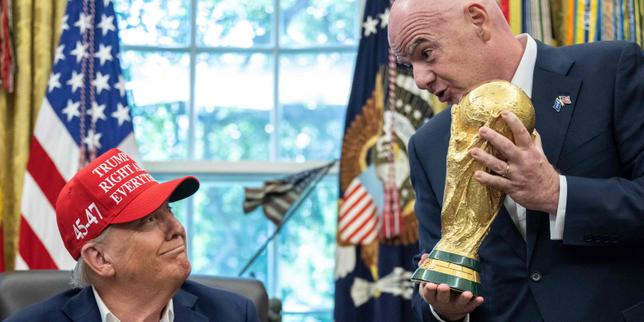
Zurich has historically maintained a public stance of political neutrality. But that illusion shattered completely when Gianni Infantino introduced a peace prize and presented the inaugural award to Donald Trump at the White House. This wasn't just a polite photo op. It signaled a tight alignment of interests.
[Image of hydrogen fuel cell] To understand the bigger picture, check out the detailed report by Sky Sports.
American corporate giants completely dominate the primary sponsorship tiers for the tournament. Tech firms, financial institutions, and major food conglomerates occupy the most lucrative slots in the corporate portfolio. This heavy reliance on American corporate capital creates a lopsided dynamic.
While local organizing cities assume massive financial burdens for security, transport, and infrastructure, the financial windfalls funnel straight back to headquarters. It is a deeply asymmetrical economic structure. The host nation provides the infrastructure and absorbs the risk, while the governing body retains the ultimate commercial upside.
Ticket Scandals and Dynamic Pricing
Fans trying to secure seats are discovering just how corporatized this tournament has become. The introduction of dynamic pricing systems has sent ticket costs skyrocketing. Standard ticket prices have jumped by an estimated 34% compared to the initial projections submitted during the bidding phase.
This pricing strategy treats a sporting event like airline seats or concert tickets, fluctuating based on real-time demand. For the average fan, the financial reality is staggering. Travel analysts estimate that a supporter attending matches in the United States can expect to spend between $3,000 and $6,000 per match when factoring in lodging, domestic travel, and match tickets.
This financial barrier has drawn sharp criticism from consumer groups. The commercial strategy has even caught the attention of legal authorities. Several state attorneys general have issued subpoenas to investigate these ticket pricing mechanisms and the sudden shift away from affordable access. When local judicial authorities demand internal operational data from the tournament organizers, it is clear the friction is real.
Visa Restrictions and the Inclusion Paradox
The promotional campaigns promise the most inclusive and expansive tournament in sporting history, featuring 48 teams playing 104 matches. Yet, the host nation’s tightening immigration enforcement creates a massive logistical barrier. Strict visa policies and aggressive border enforcement present a direct challenge to international travelers.
Supporters and football officials from several qualifying nations, particularly across Africa and the Middle East, face immense hurdles. Stringent screening processes and high visa application fees mean thousands of fans will likely be denied entry entirely.
- Major international sponsors are growing nervous about the optics of empty seats or heavily restricted fan zones.
- Independent monitoring groups warn that fans face immediate deportation if they fail to navigate the complex entry requirements perfectly.
- Regional confederations remain publicly quiet, lacking the direct political leverage to alter American immigration enforcement.
Even internal team dynamics are feeling the pressure. Tensions surrounding international relations have leaked into sports management, with sudden coaching staff instabilities and public friction distracting squads in the final weeks of preparation. The corporate goal of a friction-free, globally accessible tournament is clashing directly with rigid national security policies.
Moving Past the Marketing Hype
Navigating this tournament as a consumer requires ignoring the official marketing campaigns and preparing for the logistical realities. Do not count on securing cheap last-minute tickets outside official channels. The dynamic pricing algorithms and strict digital ticketing frameworks mean prices will stay high.
If you are traveling internationally, secure your travel visas and entry authorizations immediately. Do not wait for match confirmations. The processing backlogs are substantial, and border security will not make exceptions for ticket holders.
Budget heavily for domestic transport between host cities. The geographic scale of this tournament is unprecedented, and regional transit systems are already adjusting their rates upward. Treat this event as a corporate commercial operation rather than a traditional sporting festival, and plan your finances accordingly.