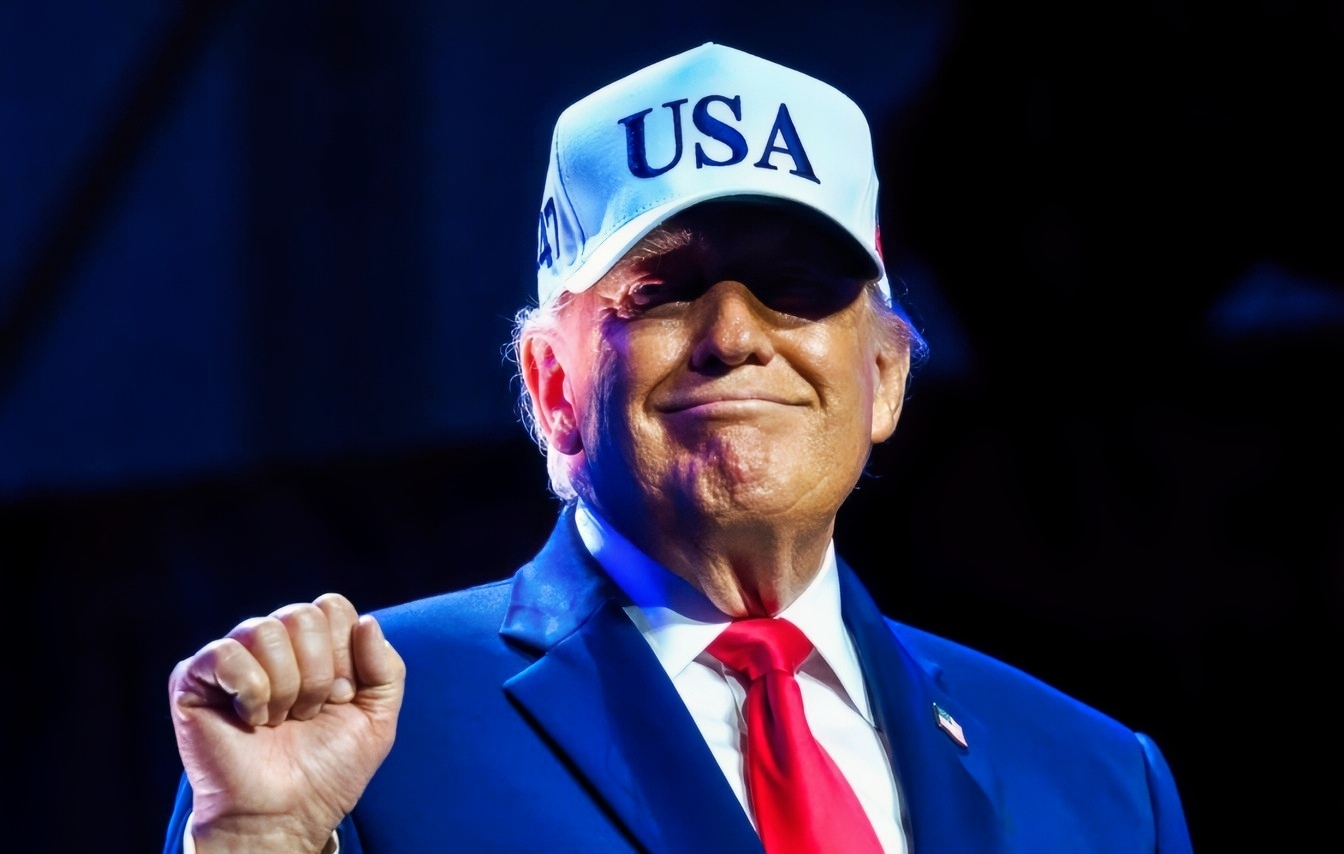
Donald Trump rarely leaves room for subtlety when he talks about Tehran. According to recent reports, the president stated he is "inclined" to resume military action against Iran if negotiators fail to reach a new agreement by New Year's Day.
It's a massive escalation. For months, markets and diplomats have watched Washington and Tehran circle each other over nuclear enrichment, regional proxy groups, and crippling economic sanctions. Now, there is a hard clock ticking down to January 1.
If you're trying to figure out whether this is classic political brinkmanship or a genuine prelude to a wider regional conflict, you need to look past the headlines. Let's break down what is actually happening behind closed doors, why the New Year deadline matters, and what the realistic outcomes look like.
Why the New Year Deadline Changes the Equation
Deadlines in foreign policy usually serve one of two purposes. Either they force a reluctant party to sign on the dotted line, or they create a pre-packaged justification for military strikes when the clock runs out.
In Washington, setting a New Year cutoff puts immense pressure on both American diplomats and Iranian officials. Tehran's leadership has historically preferred dragging out negotiations, buying time while continuing nuclear research and maintaining regional influence. Trump's approach flips that script entirely. By tying military action directly to a specific calendar date, he removes the luxury of endless diplomatic stalling.
Here is the catch. Once a leader draws a red line in public, backing down carries a steep political cost. If January 1 arrives without a signed framework, the White House faces intense pressure to follow through on its threat to maintain credibility with allies like Israel and Gulf Arab states.
Understanding the "Maximum Pressure" Playbook
To understand where this goes next, look at the history of the 2018 withdrawal from the Joint Comprehensive Plan of Action (JCPOA). During his first term, Trump abandoned the Obama-era nuclear accord, arguing it failed to address Iran's ballistic missile program and support for groups like Hezbollah and the Houthis.
The strategy that followed—widely known as "maximum pressure"—relied on choking off Iranian oil exports and isolating its banking sector. While those sanctions battered the Iranian economy and sparked domestic unrest, they did not force Tehran to capitulate on its nuclear ambitions. Instead, Iran steadily ramped up its uranium enrichment to levels far beyond what the 2015 deal permitted.
Now, the administration is pairing economic strangulation with an explicit military threat.
- The diplomatic goal: Force Tehran to accept permanent, verifiable limits on enrichment and regional proxy funding.
- The military leverage: Signal that American air and naval assets in the Persian Gulf are ready to strike critical infrastructure if talks collapse.
- The domestic angle: Demonstrate decisive leadership to voters who favor a hardline stance against adversarial regimes.
Honestly, this combination leaves very little breathing room for middle-ground diplomacy. When both sides view concessions as existential weakness, the margin for error shrinks to almost zero.
What Iran's Leadership Is Weighing Right Now
Tehran isn't operating in a vacuum. The Islamic Republic faces severe economic strain, high inflation, and a population weary of international isolation. At the same time, Iran's leadership views its nuclear program and regional network as its primary insurance policy against regime change.
If Iranian negotiators accept Trump's terms before the New Year, they risk looking like they surrendered under duress. Hardliners in Tehran would view any sweeping concession as an invitation for further demands down the road.
On the flip side, absorbing a direct military campaign from the United States carries catastrophic risks. Strikes on nuclear facilities, oil terminals, or command centers could cripple the state's infrastructure and destabilize the government from within. Tehran has spent years fortifying underground facilities like Fordow precisely for this scenario, betting that the cost of a prolonged conflict will deter Washington from pulling the trigger.
The Economic Ripple Effects You Should Watch
You don't need to live in the Middle East to feel the impact of a breakdown in talks. Global energy markets react violently to any threat of war in the Persian Gulf.
Roughly a fifth of the world's petroleum passes through the Strait of Hormuz, the narrow waterway bordering Iran. Whenever tensions spike, oil traders price in the risk of shipping disruptions, naval blockades, or retaliatory strikes on neighboring oil fields. Even the threat of resumed conflict can push crude prices higher, driving up fuel and shipping costs worldwide.
If you're tracking markets or managing supply chains, watch the diplomatic cables coming out of Oman and Qatar over the next few weeks. Those Gulf states frequently act as backchannel intermediaries between Washington and Tehran. Quiet, unannounced flights between Tehran, Muscat, and Doha usually signal that serious bargaining is happening away from the cameras.
Separating Bluff From Reality
So, is war inevitable if there is no deal by January 1? Not necessarily.
Trump has built a political brand around unpredictability. In past standoffs—most notably with North Korea in 2017—fiery rhetoric and threats of "fire and fury" eventually gave way to high-stakes summits. By declaring himself "inclined" to resume conflict, he forces Tehran to guess whether he is bluffing or preparing strike packages.
Still, military posturing has a way of taking on a life of its own. A single miscalculation by a naval commander in the Persian Gulf, or an unauthorized rocket attack by a regional militia, could trigger an escalation neither side fully controls.
Keep a close eye on official statements from the Pentagon regarding troop deployments and carrier strike group movements in the region. Rhetoric sets the stage, but hardware movements tell you when the curtain is actually about to rise.


