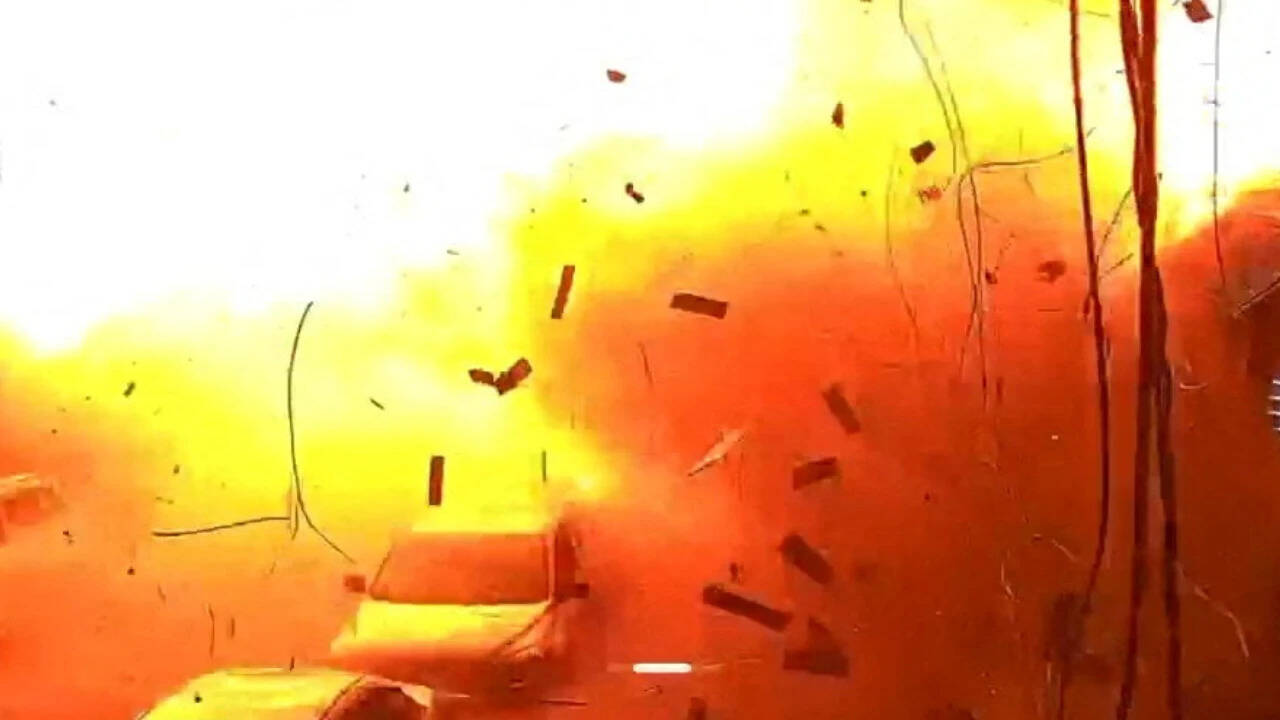
Geopolitical announcements made on social media rarely survive contact with the front lines. When U.S. President Donald Trump posted online that an immediate "energy ceasefire" had been struck between Russia and Ukraine, it sounded like a breakthrough. Kyiv officials were caught completely off guard. Ukrainian President Volodymyr Zelenskyy pointed out the obvious reality within hours: Russian drones and missiles kept slamming into power grids and fuel depots.
It turns out that issuing a truce on a digital platform doesn't mean troops on the ground will stop firing. Zelenskyy dryly noted that Vladimir Putin apparently doesn't check social media feeds before launching overnight airstrikes. The friction between diplomatic pronouncements and brutal reality exposes how difficult it is to engineer peace from a distance while infrastructure burns.
The Gap Between Digital Diplomacy and Reality
The disconnect highlights a deeper structural problem in modern crisis management. High-level announcements often get treated as accomplished facts before any enforcement mechanism exists. Trump's post declared that both sides had agreed to spare energy infrastructure effective immediately, but Kyiv stated no such formal bilateral agreement had been cleared with them.
Zelenskyy made it clear that Ukraine would support an energy freeze if Moscow genuinely reciprocated. Yet, hitting pause on targeting power plants requires mutual trust, verification, and synchronized orders down the chain of command. None of those elements were in place. Instead, citizens in cities like Kyiv and Kharkiv woke up to rolling blackouts and ruined heating plants following fresh drone runs.
Weaponizing Winter and Infrastructure Warfare
Striking power grids has become a calculated strategy in this war. Moscow knows that plunging civilian centers into darkness during freezing months degrades morale and stretches emergency services thin. Ukrainian officials call it weaponizing winter.
At the same time, Ukraine hasn't sat idle. Long-range drone campaigns targeting Russian oil refineries and depots have taken a severe economic toll on Moscow's refining capacity. When both sides rely heavily on crippling the other's energy supply to gain leverage, a unilateral or unverified online announcement stands zero chance of holding. Neither military is willing to blindfold itself while the opponent keeps moving pieces on the board.
The Broader Political Chessboard
The failed truce attempt didn't happen in a vacuum. It collided with domestic political shifts in the United States and shifting dynamics among European allies. Debates over fuel prices, diesel supplies, and restrictions on satellite internet systems like Starshield have added layers of tension to an already strained alliance. Kyiv finds itself navigating delicate diplomacy while trying to maintain domestic defense production.
European leaders have largely reiterated their backing for Ukraine's defense, remaining skeptical that shortcut agreements will alter Moscow's calculus. Real negotiations require detailed parameters, neutral arbiters, and verifiable steps—not sudden declarations that leave front-line defenders exposed to the next wave of incoming fire. Until concrete enforcement catches up with political rhetoric, the infrastructure war will grind on.