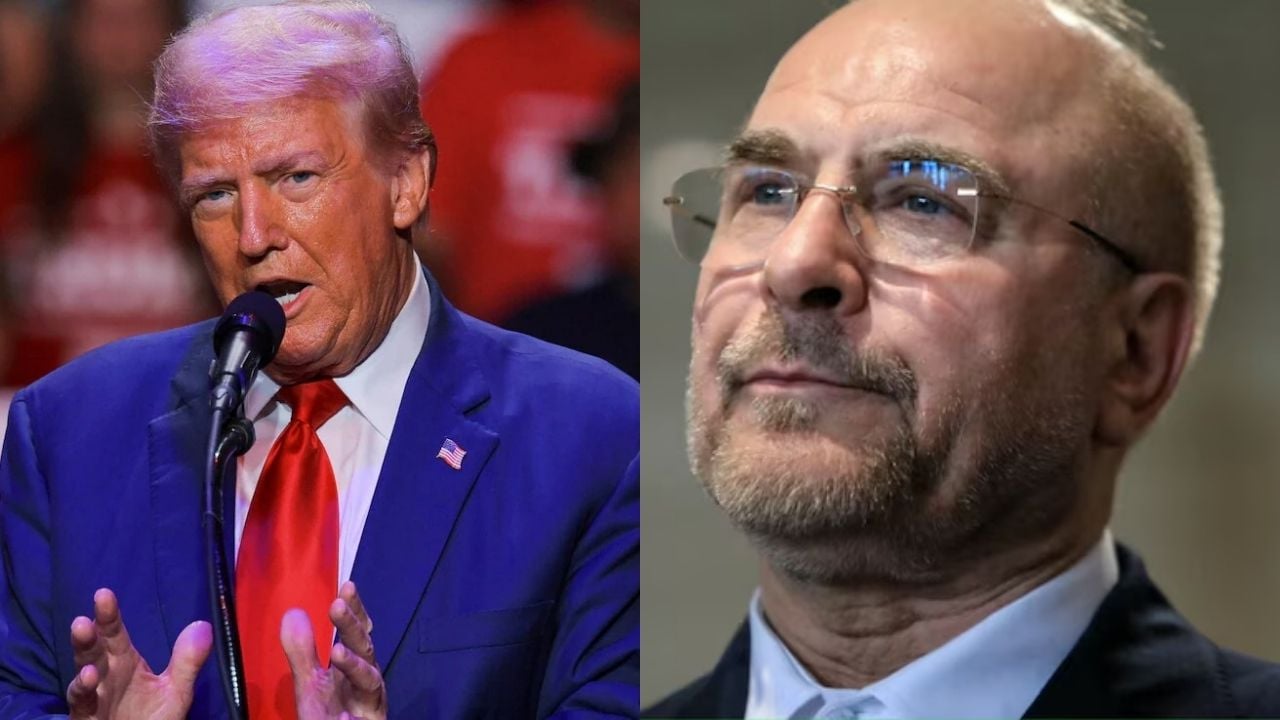
Donald Trump thought he had a monumental deal in the bag. Just last month, the White House announced a breakthrough 14-point memorandum of understanding with Tehran, supposedly ending a brutal hundred-day conflict and reopening the blockaded Strait of Hormuz. Stock markets soared, politicians patted themselves on the back, and the phrase "peace in our time" was practically floating through Washington.
Fast forward a few weeks and the whole thing is completely in ashes.
Trump is now screaming on social media that the deal is dead and calling the Iranian leadership liars. Meanwhile, Tehran is issuing dark warnings about reciprocal action and promising immediate retaliation if anyone touches their infrastructure. If you want to understand how a high-stakes peace deal vaporized in less than thirty days, you have to look past the official press releases and see what is actually happening on the water and in the corridors of power.
The Mirage of the June Peace Agreement
The text of the memorandum of understanding signed in mid-June looked good on paper. Brokered by Pakistani and Qatari mediators, the agreement was supposed to kick off a 60-day window of intense negotiations to secure permanent peace. The basics were straightforward. Iran would agree to strict limitations on its nuclear program, including a multi-year lockout on uranium enrichment. In exchange, the United States would gradually roll back the crushing naval blockade and sanctions that have choked the Iranian economy.
But the deal had a massive flaw from day one. It was based entirely on the assumption that both sides would sit quietly while the details were hammered out. That didn't happen.
Instead of a pause in hostilities, the Persian Gulf turned into a shooting gallery. Within days of the signing, shadowy attacks targeted commercial shipping vessels transiting the Strait of Hormuz. When a Qatari liquefied natural gas tanker took a direct hit, the fragile truce shattered completely. Washington blamed Tehran for the escalation, accusing the Islamic Republic of playing a double game. Iran denied the charges, but the damage was done. The US military immediately launched fresh rounds of retaliatory airstrikes and revoked the newly issued sanctions waivers on Iranian oil sales.
Trump Pulls the Plug From Ankara
Speaking at the NATO summit in Ankara, Turkey, Trump didn't mince words about the state of the agreement. In typical fashion, he completely burned the diplomatic bridge. He told reporters that the deal was officially over, describing the Iranian leadership as vicious people who cannot be trusted.
"To me, I think it's over," Trump stated bluntly during his press appearance in Turkey. "I don't want to deal with them anymore. They're scum. They're sick people. They're led by sick people."
That statement effectively killed any hope of a diplomatic off-ramp. By revoking the oil waivers and declaring the ceasefire void, the United States returned to its maximum pressure playbook. But Trump added a confusing twist to the narrative on Truth Social, claiming that Iran had actually reached out through intermediaries to beg for a resumption of talks. Trump posted that Washington agreed to continue talking, but made it clear that the actual ceasefire would not be reinstated.
This public claim of a unilateral Iranian surrender did not sit well in Tehran.
Tehran Rejects the Narrative and Warns of Reciprocal Action
The response from the Iranian Foreign Ministry was immediate and sharp. Esmaeil Baghaei, the official spokesperson for the ministry, held a briefing to flatly deny that Iran had ever requested negotiations with Trump. He called the American narrative a propaganda stunt designed to save face after Washington violated the terms of the June agreement.
According to Baghaei, Iran's foreign policy operates on a strict framework of commitment for commitment. If Washington breaks its word, Iran will match that action. The spokesperson pointed to the recent American sanctions on oil sales as a direct breach of the memorandum of understanding. Tehran argues that it has no legal or strategic reason to allow international inspectors into its nuclear facilities, especially after those facilities suffered extensive damage during previous US and Israeli airstrikes.
To make matters more volatile, Iran is currently dealing with a massive internal power shift. The country just buried its supreme leader, Ali Khamenei. The public funeral in Tehran became a focal point for national anger, with prominent clerics and military commanders using the event to demand absolute vengeance against the West.
The language of diplomacy has been entirely replaced by the language of retaliation. Mohammad Bagher Zolghadr, the secretary of Iran's Supreme National Security Council, issued an explicit warning after Trump suggested that the US military was eyeing strikes on Iran's electrical manufacturing facilities, power grids, and water desalination plants. Zolghadr made it clear that any attack on domestic infrastructure would be met with an identical response. He warned that American assets in the region and regional allies like Israel would not be spared if the conflict escalates further.
The Breakdown of Regional Mediation
While Washington and Tehran trade public threats, the regional mediators who spent months building the June framework are scrambling to prevent a total regional war. Qatari officials traveled directly to the city of Mashhad to meet with Iranian leaders and keep a line of communication open. Simultaneously, Iranian Foreign Minister Abbas Araghchi scheduled an emergency trip to Oman to discuss maritime safety in the Strait of Hormuz.
The reality is that these diplomatic efforts are running out of steam. The basic trust required to hold a 60-day negotiation window has vanished. The United States currently has roughly 50,000 troops deployed across various bases in the Middle East, leaving them highly exposed to asymmetric attacks from Iran-backed groups in Iraq, Syria, and Yemen. Air defense sirens have already been triggered in places like Bahrain and Kuwait as regional authorities deal with hostile drone and missile strikes.
The core issue is that neither side can afford to look weak at this specific moment. Trump cannot allow Iran to disrupt international shipping lanes without a heavy military response, especially after claiming he could easily solve the crisis. Iran's leadership, dealing with the death of Khamenei and intense pressure from hardliners inside the Islamic Revolutionary Guard Corps, cannot accept a deal that makes them look like they are bowing to American ultimatums.
Navigating the Fallout of a Dead Truce
With the ceasefire officially dead, the geopolitical reality changes overnight. If you are watching this situation develop, there are several concrete indicators that will show how bad the escalation will get.
First, keep a close eye on the shipping insurance rates in the Persian Gulf. The moment the June agreement was signed, maritime insurance costs dipped, offering a brief respite for global energy markets. With the truce over and CENTCOM promising heavy costs for any interference in the Strait of Hormuz, expect shipping premiums to skyrocket. This will directly impact global oil prices and inflation numbers.
Second, watch the movement of US naval assets. The suspension of the blockade was a key pillar of the June deal. If American warships begin re-establishing tight cordons around Iranian oil terminals like Kharg Island, a direct military clash becomes highly probable.
Third, monitor the rhetoric out of Muscat and Doha. If Oman and Qatar give up on their mediation efforts, it means the backchannel communications have completely broken down. Without those backchannels, miscalculations on the water can turn a minor skirmish into a full-scale war in a matter of hours. The diplomatic experiment of 2026 has failed, and the region is right back where it started.



