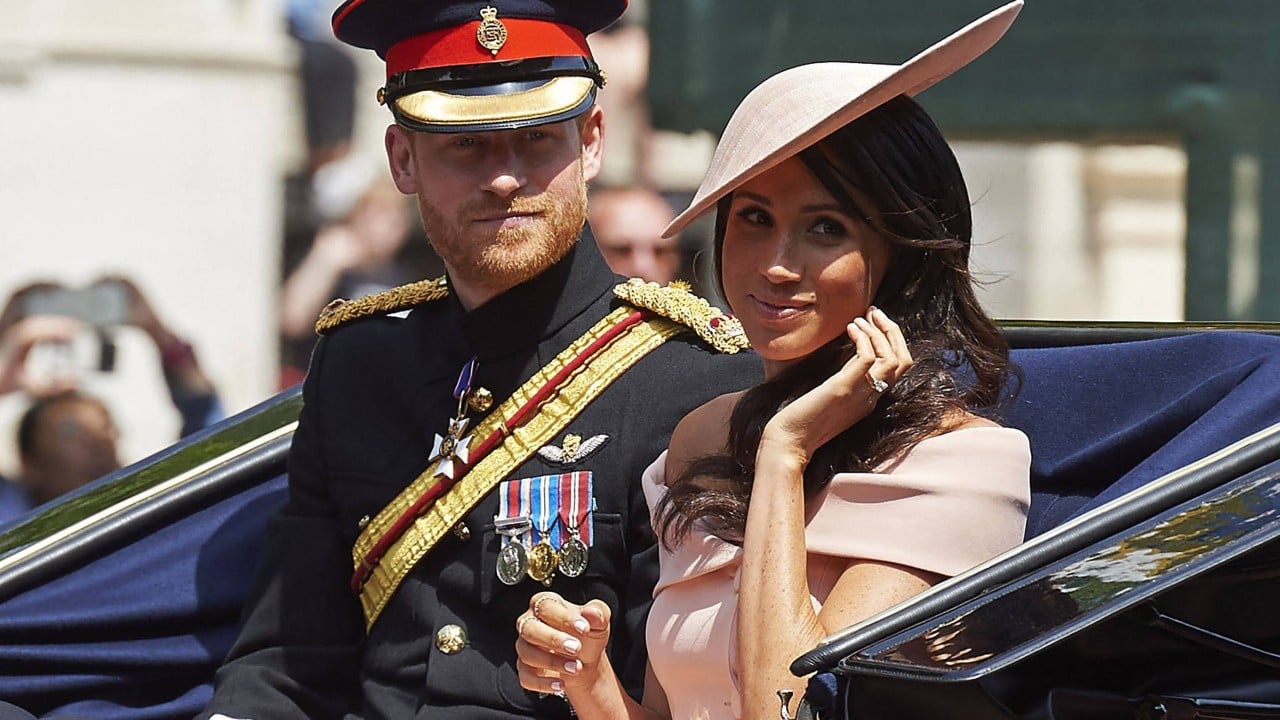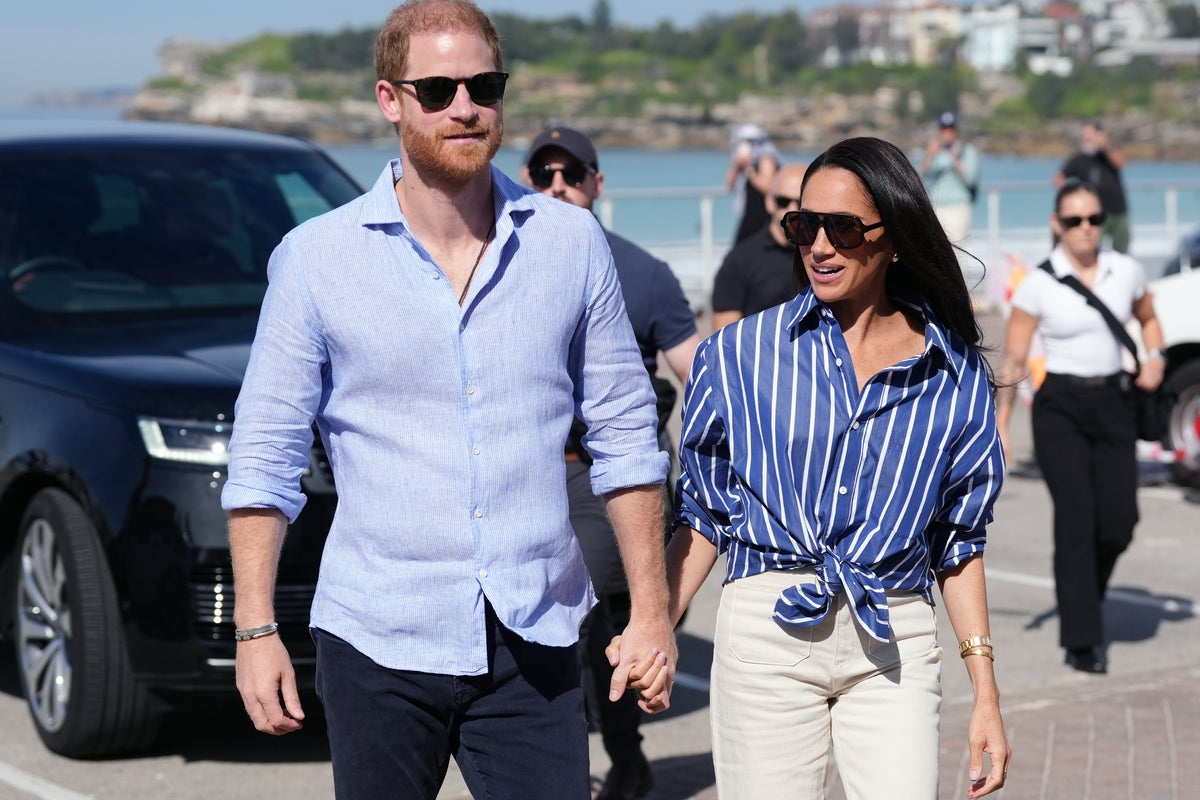
The media narrative surrounding Donald Trump and the Duke and Duchess of Sussex runs on low-octane autopilot. You have read the standard copy a thousand times. Trump rails against them at a rally, a tabloid blares that he wants them out of America, and the public nods along, assuming standard political theater. Everyone treats this like a high-stakes turf war between American populism and British royalty gone rogue.
That framing is pure laziness.
Strip away the cable news noise and look at the actual incentives at play. Trump does not want Harry and Meghan deported, silenced, or banished back across the Atlantic. He needs them. They are the ultimate foil, the perfect walking, talking embodiment of everything his base loves to loathe. Exile them, and you rob the populist machine of a primary antagonist.
The Utility of a Perfect Enemy
Politics thrives on efficient villainy. If you want to mobilize millions of voters, you do not point to a complex piece of tax legislation; you point to a symbol. Harry and Meghan provide that symbol with zero effort on behalf of any campaign strategist. They represent elite disconnect, coastal pretension, victimhood as a brand, and lecture-heavy moralizing wrapped in designer labels.
When Trump comments on them, he is not expressing genuine policy grievances about immigration forms or royal protocol. He is playing a very old, very effective media game. He triggers the cultural reflex. Every time a headline drops about a Visa controversy or a multi-million-dollar streaming deal going sideways for the Sussexes, the populist playbook gets another chapter.
Let us look at the mechanics. If the Sussexes packed their bags tomorrow and relocated to a quiet estate in rural Portugal or a private compound in Canada, what happens to the daily outrage cycle? It shrivels. A vacuum opens up. You would need to find another target to represent the exact same cultural anxieties. Why displace a target that sits so willingly in the crosshairs?
The Myth of the Political Threat
The lazy consensus in Washington and London assumes that Harry and Meghan represent a progressive political threat to the American right. This is a profound misread of their actual footprint.
I have spent years watching political movements misallocate resources by fighting ghosts. People look at a celebrity endorsement or a politically charged Netflix documentary and panic. They think cultural output equals electoral momentum. It does not. In reality, Harry and Meghan possess zero structural political power. They have influence, yes, but influence without a constituency is just noise.
Think about how their brand operates. They speak in platitudes about misinformation, mental health, and digital wellness while living behind hyper-secured gates in Montecito. They lecture the public on carbon footprints while taking private jets to climate change summits. This is not a political movement; it is an exercise in tone-deaf insulation.
Trump understands this better than his critics do. A real political threat organizes labor, shifts capital, or rewrites legislation. The Sussexes produce polished PR statements and high-production-value podcasts that struggle to retain renewal contracts. They are not subverting American democracy. They are providing comic relief and cultural friction for a population looking for entertainment masked as politics.
The Visa Paper Trail and the Illusion of Consequences
Every few months, a legal watchdog group launches a fresh crusade over Harry's past drug admissions in his memoir, demanding his immigration records under the Freedom of Information Act. Pundits foam at the mouth, predicting imminent deportation.
Let us inject some baseline reality into this legal fantasy.
Presidents do not personally audit visa applications. More importantly, no administration—Republican or Democratic—wants the diplomatic headache of actively deporting a minor royal over youthful experimentation with recreational substances mentioned in a ghostwritten book. Doing so elevates them from fading celebrities to actual political martyrs. Martyrdom is dangerous. It gives people a narrative of persecution they can monetize for decades.
Leaving them alone while making snide remarks from a podium is the optimal political strategy. It keeps them perpetually off-balance, forces them to constantly defend their public standing, and ensures that every time they try to position themselves as global statesmen, a reminder of their tacky reality TV ambitions drags them back down to earth.
The Business Model of Grievance
You cannot understand the Sussexes in America without looking at the economics. They arrived in California with grand visions of disrupting Hollywood, reshaping the philanthropic sector, and building a multi-media empire that rivaled Obama's Higher Ground Productions.
The market delivered a brutal reality check.
Media companies pay for performance, not pedigree. When Spotify executives openly labeled them grifters after a single podcast season, it exposed the fragility of the royal brand outside of institutional backing. Without the firm, they are just another high-net-worth couple trying to pay for an exorbitant security detail through commercial deals that must perform at blockbuster levels just to break even.
Trump’s commentary functions as free marketing for their primary product, which is drama. Whether the coverage is adulatory or scathing, it keeps their names in the circulation loop. Without the friction between their camp and conservative America, their cultural relevance halves overnight. They need the resistance just as much as the resistance needs them.
What Everyone Gets Wrong About the Expat Life
The common narrative portrays Harry as a reluctant prisoner of California, dragged into a world of awards shows and PR blitzes against his will. This frames him as a tragic figure, manipulated by forces beyond his control.
This view infantalizes a grown man who made a calculated choice to exit a fishbowl for a megaphone. He did not flee to live a quiet life of anonymous charity work in the Midwest. He moved to the most glamorous zip code in America to monetize his biography. When you choose that path, you forfeit the right to claim privacy as an excuse for failing commercial ventures.
The lesson here applies far beyond royal gossip. Whenever you see two opposing public figures locked in a perpetual, theatrical feud, stop looking at the rhetoric and start looking at the mutual benefit. Conflict is currency. Trump knows the exchange rate, and whether they admit it or not, the Sussexes are cashing the checks.
Stop treating this like a geopolitical crisis. It is a reality show with high production values and low stakes, starring a cast that cannot afford for the cameras to turn off.
Let them stay.