The foreign policy establishment is having a collective meltdown because a deal didn’t get signed. They’ve spent decades convinced that a signature on a piece of paper—no matter how flimsy—is the only thing preventing a mushroom cloud over the Middle East. They are wrong.
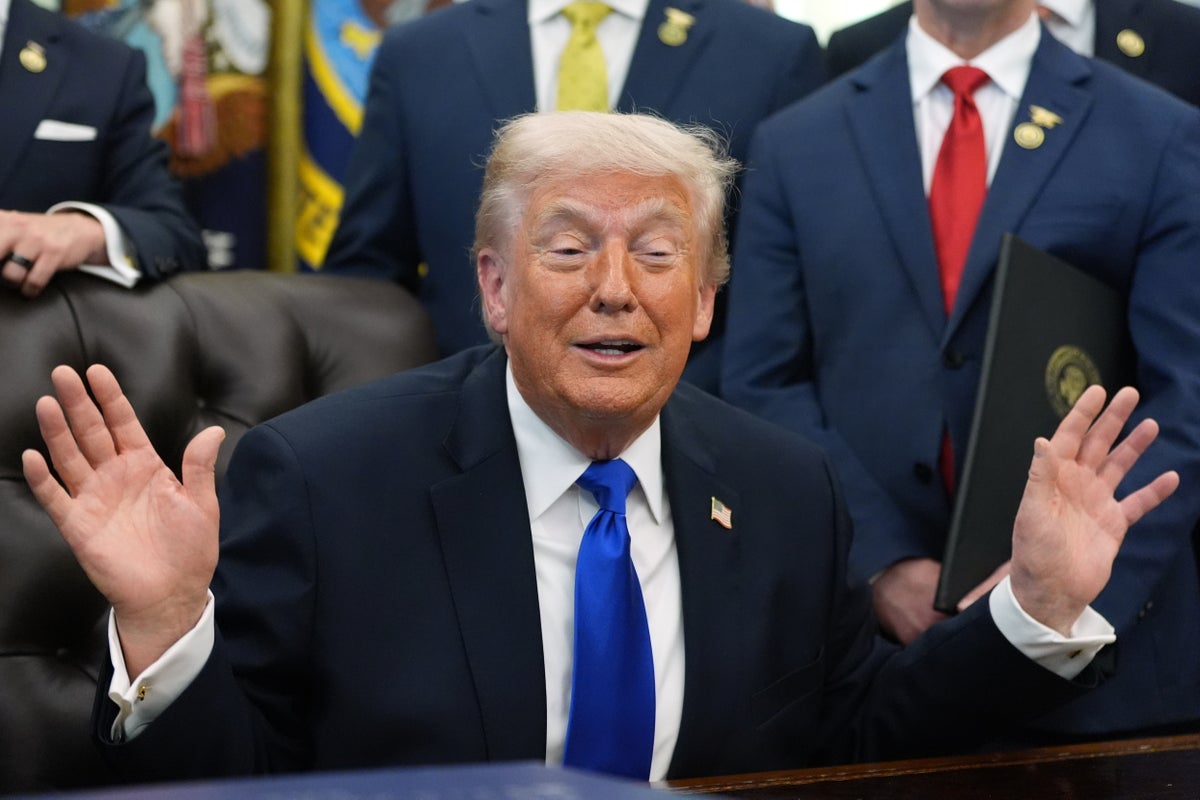
Diplomacy for the sake of diplomacy is a vanity project for bureaucrats. When the headlines scream that Donald Trump is "not satisfied" with Tehran's offer, the pundits see a failure. I see the first honest assessment of Iranian leverage in forty years. The "lazy consensus" suggests that any deal is a step toward stability. In reality, a bad deal is just a high-interest loan on a future conflict.
The Myth of the "Incomplete" Deal
The common argument is that by walking away, we risk an immediate slide into a kinetic war. This assumes that the Iranian regime is a rational, monolithic actor that only builds centrifuges when it’s angry.
History proves the opposite.
The Iranian leadership doesn’t accelerate its program because of "insults" or "missed opportunities." It accelerates based on cold, hard math regarding its survival and regional hegemony. When we sign deals that provide immediate sanctions relief for vague, sunset-clause promises, we aren't stopping a war. We are funding the proxy battles in Yemen, Lebanon, and Iraq that make a larger war inevitable.
If you’ve ever sat in a high-stakes negotiation, you know the person who wants the deal the most loses. For thirty years, the West has been that person. By stating "maybe we’re better off not making a deal," the administration isn't being erratic. It is finally correcting a massive imbalance in bargaining power.
Why Maximum Pressure Isn't a Slogan
People love to dunk on the "Maximum Pressure" campaign because it hasn't triggered an immediate regime collapse. That is a fundamental misunderstanding of how geopolitical friction works.
Pressure isn't a light switch; it’s a tectonic shift.
- Currency Devaluation: The Rial isn't just dropping; it’s evaporating. This limits the IRGC’s ability to pay foreign mercenaries.
- Internal Friction: When the central bank is empty, the regime has to choose between domestic subsidies and foreign adventurism. They cannot do both forever.
- Strategic Patience: The "insider" fear is that Iran will "break out" toward a weapon. But a weapon without an economy to support it is a suicide note, and the mullahs are many things, but they aren't interested in personal extinction.
The competitor articles focus on the "volatility" of the President’s tweets. They miss the structural reality: Iran is more isolated today than at any point since the 1979 revolution. Why would you trade that massive structural advantage for a "satisfactory" offer that doesn't address ballistic missiles or regional subversion?
The Fallacy of the "Moderate" Iranian Leader
We need to kill the idea that there is a "moderate" wing of the Iranian government waiting for a Western olive branch. This is a fairy tale told by think-tankers who want a seat at a Davos dinner party.
In Tehran, the Supreme Leader and the Revolutionary Guard hold the keys. The presidency is a decorative office designed to lure Western diplomats into making concessions. When we "not make a deal," we stop feeding the illusion that talking to the "moderates" achieves anything. It forces the real power brokers to face the consequences of their own aggression without the cushion of international aid.
The Business of Conflict
From a market perspective, the "no deal" stance is actually a volatility dampener, despite what the screaming heads on financial news networks claim. Markets hate uncertainty. A weak deal creates a decade of "will they/won't they" compliance checks, snapback triggers, and constant political bickering.
A hard "no" creates a clear operating environment.
Companies know the rules: if you deal with Tehran, you lose access to the US financial system. It’s binary. It’s clean. It’s predictable. The chaos of a failed deal is far more damaging to global energy prices than the steady, grinding reality of total sanctions.
The Thought Experiment: The Cost of "Yes"
Imagine a scenario where the US accepted the "satisfactory" offer currently on the table.
Sanctions lift. Billions flow back into Tehran. The regime uses that liquidity to stabilize its domestic grip and double down on its drone programs. Four years from now, the "sunset clauses" expire. We are back at the table, except this time, Iran has a rebuilt economy and a more advanced nuclear infrastructure.
We didn't solve the problem. We bought a four-year vacation for the price of a forty-year crisis.
Stop Asking if War is Imminent
The media asks: "Are we going to war?"
It's the wrong question. We have been in a low-intensity conflict with the Iranian proxy network for decades. The real question is: "Are we willing to stop subsidizing our enemies?"
Walking away from a bad deal isn't an act of aggression; it’s an act of fiscal and strategic sanity. The "deal-making" obsession is a sunk-cost fallacy. We’ve spent so much time trying to be "partners in peace" that we’ve forgotten how to be effective adversaries.
The status quo is a slow bleed. Breaking the status quo is painful, loud, and looks like a mess on Twitter. But it is the only way to actually change the math on the ground.
If Tehran wants a deal, they have to come to the table with more than a "satisfactory" offer. They have to come with a surrender of their regional ambitions. Until then, the best deal is no deal at all.
Stop mourning the empty chair at the negotiating table. The chair was always a trap.