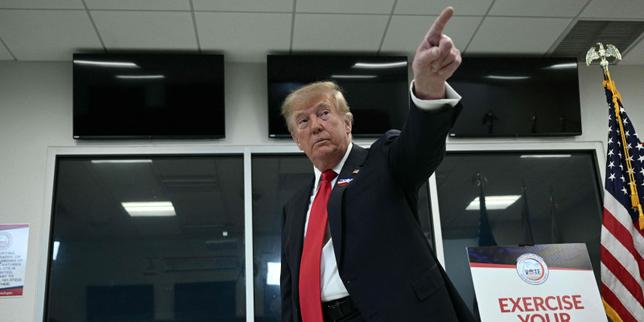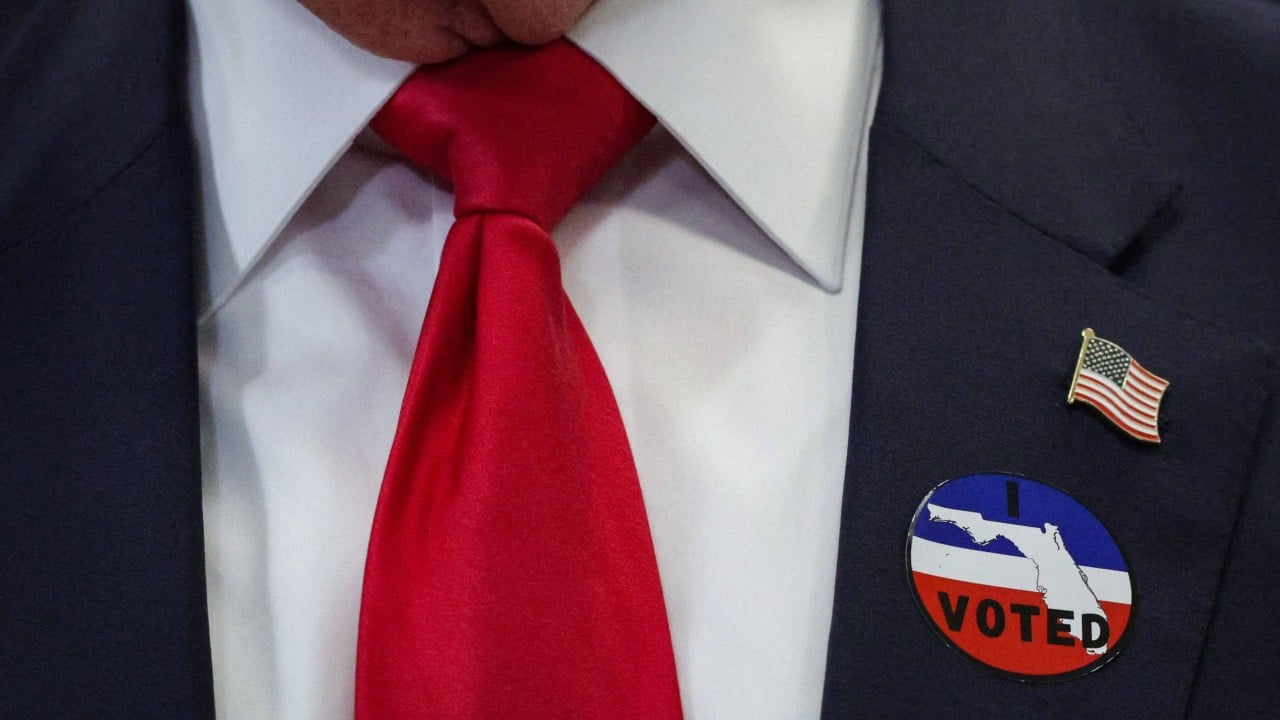
Donald Trump spent years telling millions of voters that early and mail-in ballots were a recipe for fraud. Then he walked into a Palm Beach library and cast his own ballot before Election Day.
It wasn't a slip-up. It was a calculated pivot.
If you've followed American politics closely over the last few election cycles, you know the rhetoric around early voting has been loud, messy, and deeply contradictory. For years, Trump hammered away at the idea that voting before the first Tuesday in November opened the door to corruption, lost ballots, and rigged outcomes. Yet when the rubber met the road in his home state of Florida, he didn't wait for Election Day. He showed up early, smiled for the cameras, and dropped his ballot in the box.
Why the sudden change of heart? Strategy. Pure, cold political math.
The Long History of Early Voting Skepticism
To understand why this moment caught so many people off guard, you have to look at the messaging that came before it. Starting heavily during the 2020 presidential race, Trump repeatedly warned his supporters away from mail-in voting and extended early voting windows. He argued that single-day, in-person voting with paper ballots and strict voter ID was the only way to guarantee an honest count.
That message stuck. Millions of Republican voters took him at his word.
In 2020 and again during the 2022 midterms, GOP turnout on Election Day surged, while Democratic campaigns banked massive leads weeks in advance through early in-person sites and absentee ballots. When bad weather hit on Election Day, or when voting machines glitched in heavily conservative precincts, Republican voters got stuck in long lines—or went home without voting at all.
Meanwhile, Democrats had already locked in their votes. They didn't have to worry about a flat tire on a Tuesday morning or a sudden rainstorm in November. Their ballots were already sitting in county election offices.
What Happened in Palm Beach
When Trump showed up to vote early in Palm Beach County, Florida, it wasn't just a quiet personal errand. It was a staged media event designed to send an unmistakable signal to his base.
Surrounded by reporters and Secret Service agents, he cast his ballot at a local public library—specifically, the Mandel Public Library in downtown West Palm Beach during his 2020 run, and later at the Palm Beach County Supervisor of Elections branch office in subsequent cycles. After stepping out of the booth, he told the press that voting in person was completely safe and secure.
Think about the contrast there. For months, rallies were filled with warnings about the dangers of early balloting. Then, standing in front of a bank of microphones in Florida, the message shifted overnight to praising the efficiency of the local system.
Honestly, it's a textbook case of political pragmatism overriding past talking points. When you're running a national campaign, you can't afford to spot your opponent a three-week head start.
Florida's Early Voting Rules Actually Favor Turnout
Part of the reason Trump felt comfortable voting early in Florida comes down to how the state runs its elections. Florida isn't some chaotic free-for-all when it comes to ballot access. In fact, after the infamous 2000 recount fiasco with hanging chads, the state overhauled its entire election infrastructure.
Today, Florida requires every county to offer early in-person voting for at least eight days, and counties can extend that window up to 14 days before Election Day. Voters have to show a valid government-issued photo ID with a signature—like a Florida driver's license, a U.S. passport, or a military ID—before they're handed a ballot.
Here is why that matters:
- Strict verification. Every voter who walks into an early voting site in Florida goes through the exact same ID check as someone voting on Election Day.
- Immediate tabulation. Early in-person ballots in Florida are fed directly into optical scanners by the voter on the spot, meaning there's no envelope signature verification delay later on.
- Real-time voter rolls. The second you scan your ballot at an early voting center, the statewide database marks you as having voted, preventing anyone from casting a second ballot elsewhere.
Republicans in the Florida legislature spent two decades building this exact system. And for years, the Florida GOP dominated early voting across the state, using it to build insurmountable leads before Election Day even arrived.
The Republican Party's Big Turnaround
By the time the 2024 cycle rolled around, Republican strategists were practically begging their leadership to stop telling voters to wait until November. The math simply didn't work anymore. If you tell half the electorate to cram into polling places during a single 12-hour window on a Tuesday, you're creating your own bottleneck.
So the party launched massive campaigns—initiatives like "Bank Your Vote" and "Swamp the Vote"—explicitly urging conservatives to vote early, request absentee ballots, and lock in their support weeks ahead of schedule.
Trump's own appearances at early voting sites in Florida became the centerpiece of that shift. Even though he still occasionally voiced skepticism about universal mail-in ballots during long rally speeches, his actions told a different story. By walking into a Palm Beach polling place early, he gave his supporters permission to do the exact same thing without feeling like they were betraying the cause.
It worked. Early voting numbers among registered Republicans spiked dramatically in swing states across the country, closing a gap that had plagued GOP campaigns for years.
Why Voters Still Get Confused About Early Voting
If you talk to everyday voters, you'll still hear plenty of confusion about how early voting actually works—and whether it's any different from mail-in voting. A lot of that confusion stems from politicians lumping every type of pre-Election Day voting into one giant bucket.
They aren't the same thing. Not even close.
When you vote early in person, you are walking into an official government polling location, showing your ID to a poll worker, marking a physical paper ballot, and feeding it into a secure tabulation machine yourself. Aside from the date on the calendar, the process is identical to showing up on Election Day.
Mail-in or absentee voting, on the other hand, involves requesting a ballot through the mail, filling it out at your kitchen table, signing an outer envelope, and either mailing it back or dropping it in a designated drop box. That process relies on signature matching and postal delivery timelines, which is where most legal battles and partisan arguments tend to focus.
When Trump criticized "early voting" in broad strokes, he often blurred the line between mail-in ballots and early in-person voting. When he actually went to vote in Florida, he chose the in-person route—allowing him to participate early while still claiming consistency on mail-in skepticism.
What This Means for Future Elections
The days of either major political party boycotting early voting are effectively over. Both sides now recognize that modern elections aren't a single-day sprint anymore; they're a month-long turnout operation.
Campaigns spend millions of dollars tracking daily early voting data. Every morning, party operatives pull public records from county election supervisors to see who has already voted and who is still sitting on the couch. Once you cast your ballot early, campaigns immediately stop spending money to reach you. They take you off the call lists, stop knocking on your door, and redirect their resources toward persuading undecided voters or dragging reluctant supporters to the polls.
That's the real secret behind why every politician—regardless of what they say at a podium—wants you to vote early. It makes their job cheaper, easier, and way more predictable.
If you're planning to vote in an upcoming election, don't let partisan noise keep you from using the most convenient option available in your state. Check your state's Secretary of State website two weeks before Election Day, verify your registration status, look up your local early voting locations, and bring a valid photo ID with you. Casting your ballot early takes ten minutes on a quiet Tuesday afternoon instead of two hours in the rain on Election Day—and as Trump himself demonstrated in Florida, even the loudest critics of the system know a smart advantage when they see one.