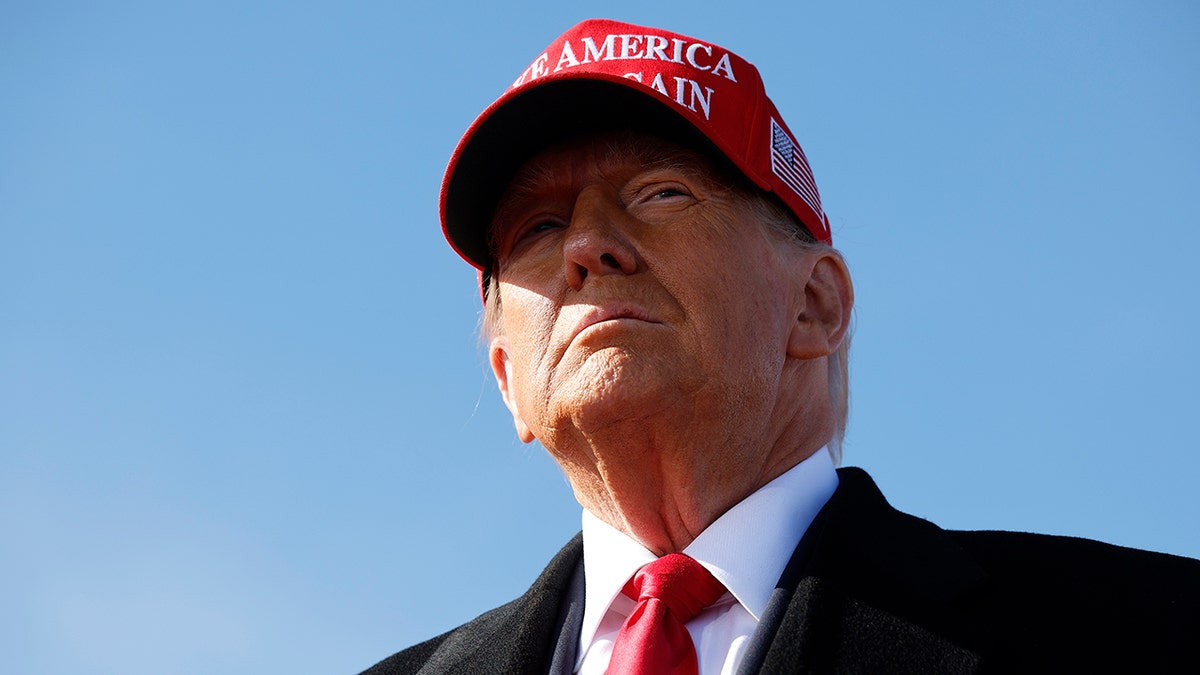
Donald Trump just confirmed that U.S. forces took out seven Iranian boats in the Strait of Hormuz. It’s part of a broader, more aggressive military posture known as Project Freedom. If you’ve been watching the headlines, you know the Middle East is a powder keg. But this specific escalation changes the math for global oil prices and maritime security. It isn't just a skirmish. It’s a message.
The Strait of Hormuz is the world's most important oil transit point. About a fifth of the world's oil flows through this narrow strip of water. When Trump says seven boats are at the bottom of the ocean, the markets notice. This isn't the first time we’ve seen friction here, but the scale and the branding of "Project Freedom" suggest a shift from reactive defense to proactive deterrence.
The reality of Project Freedom on the water
Project Freedom sounds like a campaign slogan, but for the sailors in the Fifth Fleet, it’s a high-stakes rules-of-engagement shift. For years, Iranian fast-attack craft have used "swarming" tactics to harass tankers and U.S. destroyers. They get close. They weave in and out of formations. Usually, the U.S. responds with bridge-to-bridge warnings or flares. Not this time.
The "seven boats" incident happened because the Iranian vessels reportedly ignored multiple warnings and entered a "danger zone" around a U.S.-led convoy. Under the new protocols of Project Freedom, the leash is off. Commanders have more local authority to neutralize threats before they can launch a suicide strike or plant mines. This isn't about starting a war; it’s about making the cost of harassment too high for Tehran to pay.
I’ve seen how these naval standoffs play out. It’s a game of chicken at 30 knots. By taking out seven boats in a single engagement, the U.S. is signaled that the era of "strategic patience" in the Persian Gulf is over.
Why the Strait of Hormuz is the world's throat
You can’t understand this conflict without looking at the geography. At its narrowest, the Strait is only about 21 miles wide. The shipping lanes are even tighter. If Iran manages to sink a few large tankers or successfully mine the waters, the global economy hits a brick wall.
Most people don't realize how fragile the supply chain is. A 10% spike in oil prices can trigger a recession in developing nations within months. Project Freedom is essentially an insurance policy for the global economy, paid for with U.S. ammunition. The White House argues that by being "unpredictable" and "forceful," they actually prevent a larger war. It’s the old "peace through strength" argument, updated for 2026.
Critics say this is reckless. They argue that sinking seven boats gives Iranian hardliners exactly what they want: a reason to retaliate. But the administration's stance is clear. They believe the only thing the IRGC (Islamic Revolutionary Guard Corps) respects is a bloody nose.
Breaking down the tactical engagement
The reports coming out of the Department of Defense suggest a mix of ship-borne cannons and helicopter-launched missiles. The Iranian boats involved were likely the "Zodiac" style fast-attack craft—cheap, fast, and deadly in large numbers.
- Detection: Long-range sensors picked up the swarm moving at high speed toward the convoy.
- Warning: Traditional radio warnings and non-lethal deterrents were used first.
- Engagement: Once the boats crossed the 500-yard perimeter, the order to fire was given.
- Assessment: Seven targets were confirmed destroyed; the remaining boats retreated to Iranian territorial waters.
The political fallout at home and abroad
Trump’s announcement wasn't just a military update. It was a political stake in the ground. By framing this under Project Freedom, he’s tying naval operations to a broader narrative of American energy independence and security. He’s telling voters that he’s protecting their gas prices by keeping the shipping lanes open.
Internationally, the reaction is split. Allies in the region, like the UAE and Saudi Arabia, are likely breathing a sigh of relief behind closed doors. They rely on these waters for their very existence. On the other hand, European powers are scrambling to de-escalate. They fear a "tit-for-tat" cycle that could lead to a full-scale blockade.
The Iranians haven't stayed quiet. Their state media is calling it an act of piracy. But here’s the thing: they haven't retaliated yet. That silence tells you they were surprised by the intensity of the U.S. response.
How this impacts your wallet
If you’re wondering why this matters to you, look at the pump. Whenever a shot is fired in the Strait, speculators drive up the price of Brent Crude. However, if Project Freedom actually succeeds in scaring off Iranian swarms, we might see a "stability premium" return to the market.
It's a gamble. If Trump is right, the Iranians back off and shipping becomes safer. If he’s wrong, we’re looking at a summer of naval skirmishes that could push oil past $120 a barrel. Right now, the markets are betting on the former, as prices have remained surprisingly steady despite the news of the seven boats.
Watch the next 48 hours
The immediate next step is monitoring the Iranian response. Watch for "asymmetric" moves. Iran rarely fights a fair fight. They might use proxies in Yemen or Iraq to strike at U.S. interests, or they could try to seize a merchant vessel from a country they perceive as weak.
If you’re tracking this, keep an eye on the Maritime Trade Operations (UKMTO) alerts. Any shift in the "Risk Level" for the Persian Gulf will tell you more than a White House press release ever will. For now, the U.S. has the upper hand. The question is how long they can keep it without a formal declaration of hostilities.
Keep your eyes on the tanker tracking data. If companies start rerouting around the Cape of Good Hope, you know the situation in Hormuz has gone south. Until then, Project Freedom is the new law of the sea.